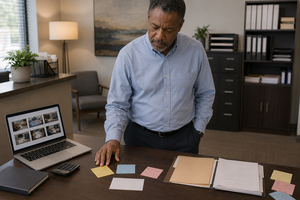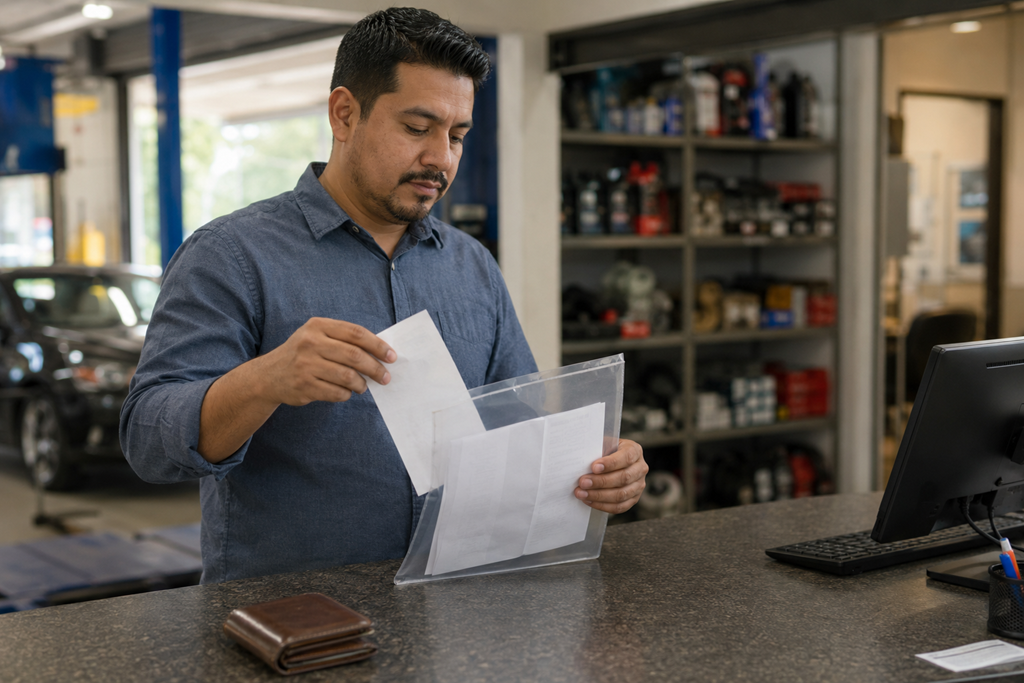
Keeping track of accident-related expenses means saving the money-related details that may connect to the accident, even if they seem small at first. This can include bills, receipts, repair costs, transportation expenses, missed-work notes, and other out-of-pocket costs that are tied to what happened.
For many Sacramento residents, the hardest part is not one large bill. It is the scattered nature of the expenses. A receipt ends up in a car console. A medical bill arrives later. A rideshare charge appears on a statement. A repair estimate sits in an email. By the time someone is ready to speak with a personal injury lawyer, the financial picture can feel harder to explain than it should.
This article is not legal advice. It is a practical way to think about staying organized so a qualified legal professional can better understand the expense side of your situation if you choose to discuss it.
Accident Costs Are Often More Scattered Than People Expect
After an accident, expenses do not always arrive in one neat stack. Some costs happen immediately, while others show up days or weeks later. A person may pay for medication, replace damaged personal items, miss work, drive to appointments, or receive separate bills from different providers.
That is why relying on memory can become frustrating. Even someone who is careful and responsible may forget small costs once regular life resumes. The goal is not to create a perfect legal file on your own. The goal is to avoid losing track of details that may be useful later.
A simple system can help you see the difference between what you know, what you paid, what you still owe, and what you need to ask about.
A Good Expense Record Starts With Separation
One helpful first step is keeping accident-related expenses separate from regular household spending. This does not have to be complicated. The important thing is to avoid mixing accident-related receipts, bills, and notes with unrelated mail, grocery receipts, school papers, or routine financial documents.
For example, a Sacramento resident might keep a plain folder for paper documents and a dedicated digital folder for emails, photos, screenshots, and PDF bills. The format matters less than consistency. When everything related to the accident has one place to go, it becomes easier to review later.
This separation can also reduce confusion when speaking with a personal injury lawyer. Instead of trying to remember every expense during a consultation, you can bring the documents and let the professional help you understand what may or may not matter for your specific situation.
Small Expenses Can Still Help Tell The Full Story
Many people assume only large bills are worth saving. That can lead them to overlook smaller costs that show how the accident affected everyday life.
A parking receipt for an appointment, a pharmacy purchase, a replacement item, or a transportation charge may seem minor by itself. But several small expenses together can show a clearer pattern. They may help explain what changed after the accident, what costs kept coming up, and what questions are worth asking during a legal consultation.
This does not mean every receipt will be important. It means you do not have to decide that alone before you have had a chance to discuss the situation with a qualified legal professional.
Track What Was Paid, What Is Owed, And What Is Unclear
Accident-related expenses can fall into different categories. Some are already paid. Some are billed but not yet paid. Some are estimates. Some are confusing notices that may need explanation.
Keeping these categories separate can make the information easier to understand. A paid receipt is different from a pending bill. A repair estimate is different from a final invoice. A notice from an insurer is different from an out-of-pocket purchase.
When the categories are mixed together, the situation can feel more confusing than it is. When they are separated, it becomes easier to ask better questions, such as whether a document is relevant, whether something should be saved, or whether more information is needed.
Do Not Rely Only On Bank Statements
Bank statements can be useful, but they often do not explain the full reason behind a charge. A card statement might show a pharmacy, a rideshare company, or a repair shop, but it may not show what was purchased, who the expense was for, or how it connected to the accident.
That is why receipts, invoices, appointment notices, and short notes can matter. A simple note beside a receipt can help preserve context. For example, writing that a charge was for transportation to an appointment can make the expense easier to understand later.
The point is not to create a complicated record. The point is to make sure the expense still makes sense when you look back at it.
A Short Note Can Prevent Later Confusion
One of the most useful habits is adding brief context while the expense is still fresh. The note does not need to be long. It can simply explain what the expense was, when it happened, and how it related to the accident.
This can be especially helpful when several expenses look similar. Multiple parking charges, pharmacy purchases, or appointment-related costs can blend together over time. A short note can keep those details from becoming a guessing game.
For Sacramento-area residents preparing to speak with a personal injury lawyer, this can make the conversation more productive. Instead of spending the consultation trying to reconstruct basic details, you can focus on understanding what questions to ask next.
Common Things People Misunderstand About Expense Tracking
One common misunderstanding is thinking that expense tracking has to be perfect to be useful. It does not. Even a partial record may be better than relying entirely on memory.
Another misunderstanding is assuming that only formal bills count. In real life, accident-related costs may include ordinary-looking expenses that happened because of the accident. Saving the information allows a professional to review it in context.
People also sometimes wait too long because they are unsure what matters. That is understandable. But waiting can make it easier to lose receipts, forget why a charge happened, or miss the connection between an expense and the accident.
A practical approach is to save more information than you think you may need, then ask a qualified professional what is actually relevant to your situation.
Questions Worth Asking During A Legal Consultation
If you are meeting with a personal injury lawyer, your expense records can help you ask clearer questions. You might ask:
Which expenses should I continue saving?
This helps you understand what types of costs may be worth tracking going forward.
Are estimates, unpaid bills, and receipts treated differently?
This can clarify how different documents may be reviewed.
Should I keep notes about why each expense happened?
This helps you understand how much context is useful without overcomplicating your records.
Are there expenses I should not assume are connected?
This can help you avoid making your own legal conclusions before getting professional guidance.
These questions do not require you to know the answer in advance. They simply help you use the consultation to understand the expense side of your situation more clearly.
Staying Organized Helps You Explain The Situation More Clearly
Keeping track of accident-related expenses is not about building a case by yourself. It is about preserving information while it is still available.
A simple folder, a digital file, and brief notes can help you avoid scattered paperwork and forgotten charges. They can also make it easier to have a more focused conversation with a personal injury lawyer if you decide to seek guidance.
The main takeaway is simple: save the documents, separate accident-related costs from regular expenses, and add enough context so the charges make sense later. That small amount of organization can help you feel better prepared before asking a qualified legal professional about your specific situation.