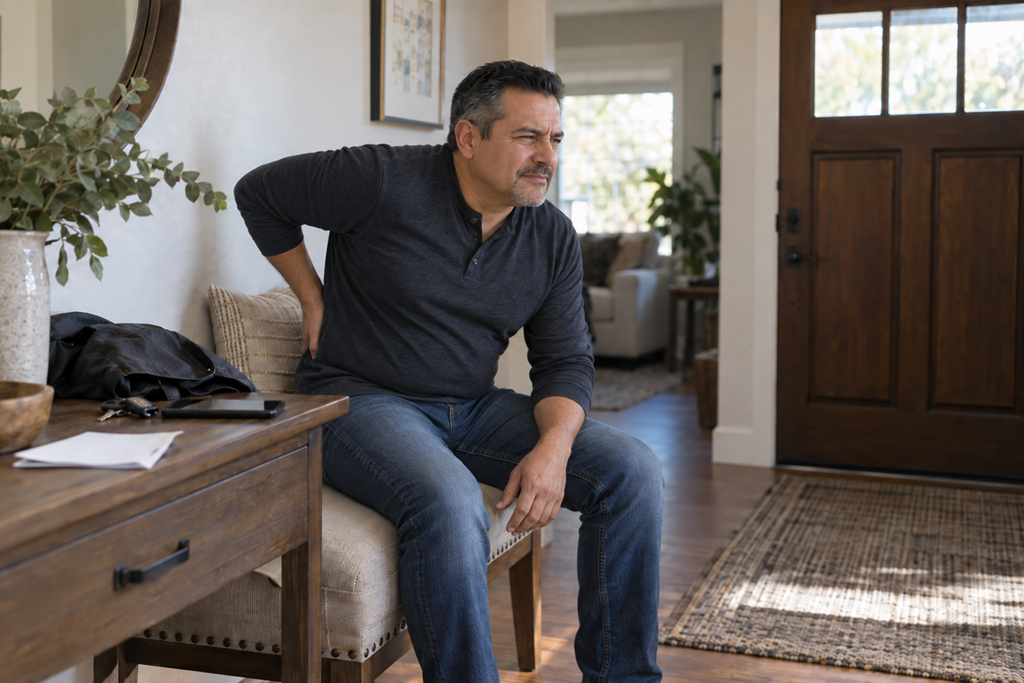
Feeling sore, tender, or simply unsure after a chiropractic visit can be unsettling, especially if you expected to leave feeling immediately better. A useful first step is not to guess what the sensation means. Pay attention to what changed, how noticeable it is, and whether it is improving, staying the same, or becoming more concerning, then discuss personal symptoms or recovery questions with a qualified healthcare provider.
Post-visit concerns can be difficult to interpret because the experience is personal. One person may mainly notice temporary tenderness, while another may be concerned because something feels different from what they expected. The important point is that the appearance of soreness by itself does not explain what is happening or whether a particular response is appropriate for you.
Soreness And Concern Are Two Different Questions
Some people notice soreness or tenderness after hands-on care. Knowing that such experiences can occur, however, does not tell you what your particular symptoms mean.
That distinction matters.
It is easy to hear that soreness can happen and automatically decide that anything you feel should be ignored. It is just as easy to notice an unfamiliar sensation and assume that something has gone wrong. Neither reaction gives you much useful information about your individual situation.
Instead of trying to label the sensation yourself, focus on describing what you are experiencing accurately. A qualified healthcare provider can then help you understand whether further discussion or evaluation is appropriate.
Notice What Has Changed Without Trying To Diagnose It
When something feels different after an appointment, a few simple observations can make the conversation with a provider more useful.
You might notice when the concern first became apparent, whether it feels different from what you experienced before the visit, and whether it seems to be changing over time. You may also notice whether it is affecting normal activities differently than you expected.
These observations are not a diagnosis. They are simply details that can help you explain your concern.
For Sacramento-area patients, this can be especially useful when deciding whether to contact the chiropractor who provided the care, speak with another qualified healthcare professional, or ask for clarification about what was expected after the appointment.
Do Not Let Reassurance Or Worry Make The Decision For You
One reason post-visit soreness can feel confusing is that people often receive broad messages about what they are “supposed” to feel.
A friend might say discomfort is normal. An online discussion might make an ordinary concern sound alarming. A provider may have discussed general expectations before the visit, but your actual experience may not match what you remember hearing.
General statements cannot evaluate your specific situation.
If something concerns you, it is reasonable to ask about it rather than trying to decide whether you are overreacting. Likewise, experiencing some discomfort does not automatically mean that the care caused a problem.
The more useful question is whether the person evaluating your concern is willing to listen carefully, explain expectations clearly, and tell you when another type of medical evaluation may be appropriate.
A Follow-Up Conversation Can Clarify What Was Expected
You do not need a complicated list of questions to start a useful conversation.
Depending on the situation, you might ask:
- Is what I am describing consistent with what you expected after this visit?
- What changes would you want me to report?
- Should I follow up with you, or would another healthcare professional be more appropriate for this concern?
- What should I understand before deciding whether to schedule another visit?
These questions keep the conversation centered on communication and expectations rather than asking you to determine the cause on your own.
Pay attention to how the provider responds as well. Clear explanations, willingness to hear your concerns, and appropriate boundaries around what the provider can evaluate can all help you decide whether the communication style feels right for you.
Significant Or Worsening Concerns Deserve Appropriate Attention
Not every post-visit sensation carries the same significance.
If a symptom feels severe, is rapidly worsening, or otherwise feels urgent or alarming, do not rely solely on general online information or wait for a routine chiropractic follow-up to decide what it means. Seek appropriate medical evaluation. If you believe you may be experiencing a medical emergency, use emergency medical services.
For concerns that are not urgent, a qualified provider can help you understand what deserves follow-up based on your individual circumstances.
The key is to avoid dismissing an important concern simply because it occurred after an appointment where some soreness might have been discussed.
Follow-Up Communication Is Part Of Evaluating Provider Fit
How a chiropractic office handles questions after a visit can tell you something about the overall patient experience.
Before continuing care, you may want to consider whether you understand what the provider expected after the appointment, whether your questions were answered clearly, and whether you feel comfortable raising concerns without being pressured or dismissed.
That does not mean every uncomfortable sensation indicates poor care. It means communication after an appointment can be part of evaluating whether a provider's approach works for you.
For Sacramento residents comparing chiropractic providers, this can be just as relevant as appointment availability, office convenience, or the first consultation itself.
The Goal Is A Clearer Next Decision
Feeling sore or uncertain after a chiropractic visit does not require you to immediately decide what the sensation means. Notice what has changed, communicate the concern clearly, and let an appropriately qualified healthcare professional help you understand what deserves further attention.
That approach keeps the focus where it belongs: on your individual experience, appropriate professional communication, and making the next healthcare decision with better information rather than assumptions.