
Damage Restoration Services
Total 14 Posts
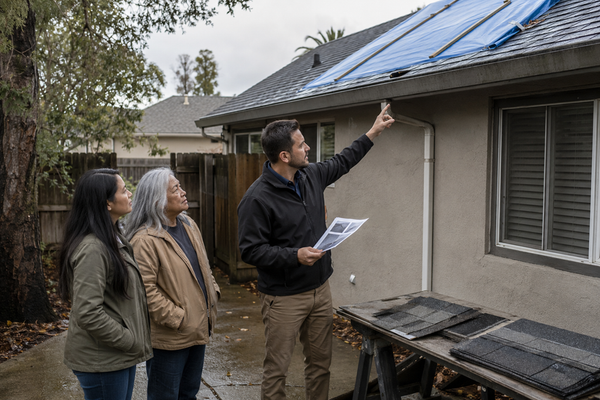
What Sacramento Homeowners Should Understand About Property Damage Response
When property damage affects a Sacramento-area home, the first response should not be viewed as one large repair job. It is usually a sequence: understand what happened, address immediate safety concerns, limit additional damage, document visible conditions, and then define the restoration work...
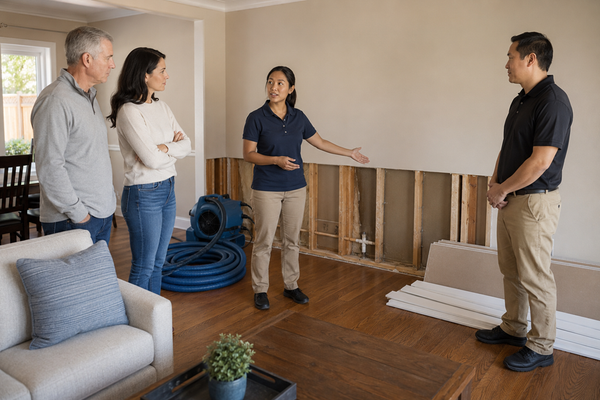
How To Understand The Difference Between Cleanup And Reconstruction
When a home or business is damaged by water, fire, smoke, mold, or another unexpected event, cleanup and reconstruction are usually two different parts of the recovery process. Cleanup focuses on removing hazards, moisture, residue, and damaged material so the property is stable. Reconstruction...
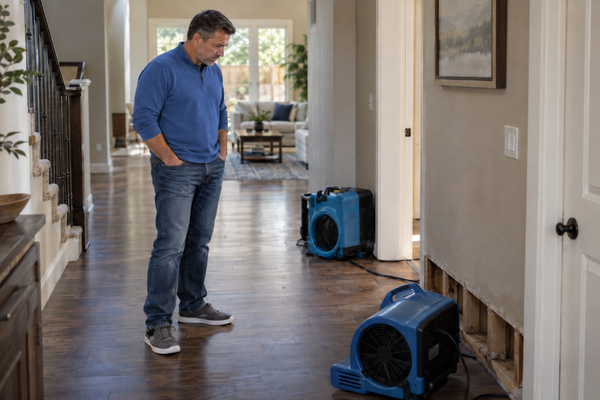
Why Drying Equipment May Be Needed After Water Damage
After water damage, removing visible water does not always mean a room or building material is fully dry. Moisture can remain inside carpet padding, drywall, wood, insulation, cabinets, and other materials even when surfaces look much better. Drying equipment may be used to help move moisture out...
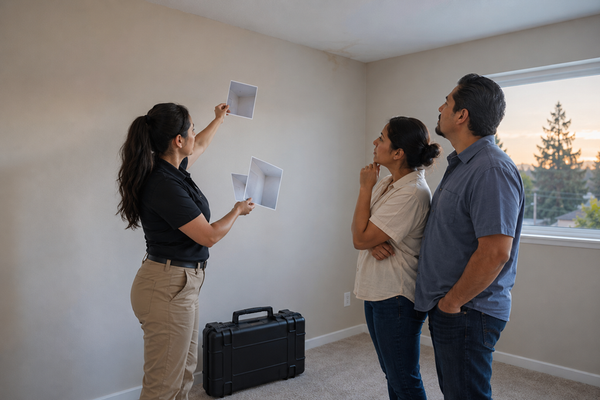
Why Moisture Behind Walls Can Become A Bigger Concern
Moisture behind a wall can become a bigger concern because the visible mark on the surface may represent only a small part of what is happening inside the wall cavity. Water can move along framing, insulation, fasteners, and wiring pathways before it becomes obvious, allowing materials to stay...
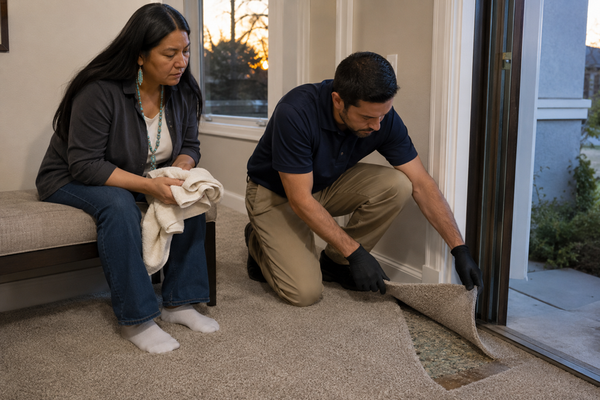
What To Know Before Assuming A Wet Area Will Dry On Its Own
A wet area may look like it is drying on the surface while moisture remains trapped underneath flooring, behind baseboards, inside wall cavities, or beneath cabinets. Before assuming time and airflow will solve the problem, it helps to understand that visible dryness is not always the same as...
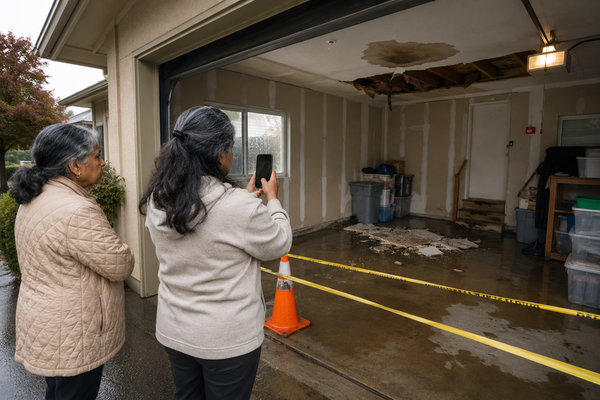
How To Document Property Damage Before Cleanup Begins
Before cleanup begins, document the damage as it actually appears. Take clear photos and short videos of the affected area, including wide views, close details, damaged belongings, and the path the water, smoke, soot, or debris appears to have taken. The goal is not to investigate the cause...
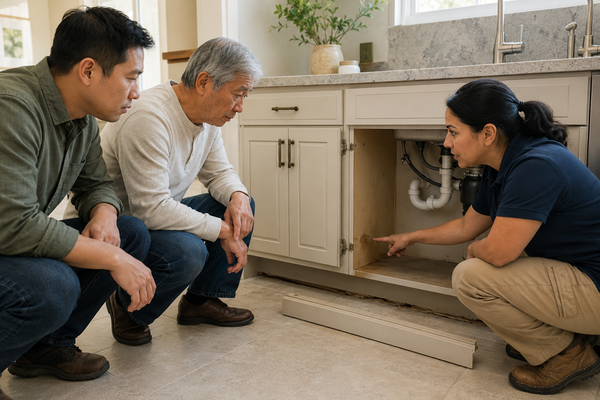
Why Visible Damage May Not Show The Full Problem
Visible damage is often only the part of a property problem that is easiest to see. A stain, warped baseboard, smoky odor, or damaged patch of drywall may mark where the problem became noticeable, but it may not reveal how far moisture, residue, or material changes have traveled behind finishes...