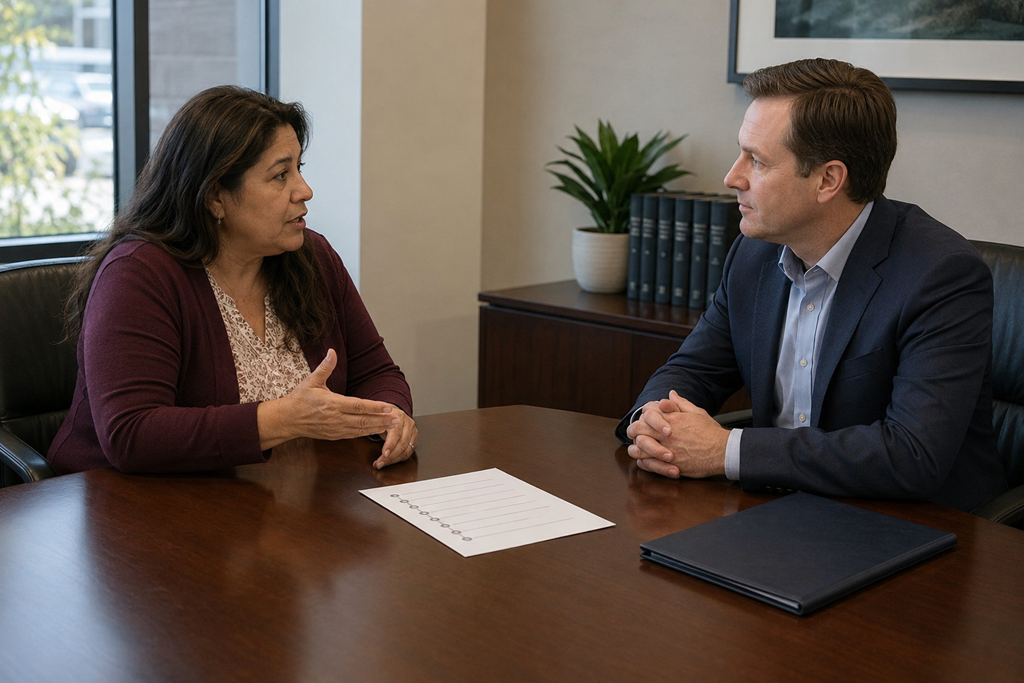
After an injury, a simple timeline is just a chronological record of what happened, when it happened, and what followed. It does not need to look like a legal document or contain conclusions about fault. Its main purpose is to help you keep dates, appointments, records, communications, and day-to-day changes in one place so you can explain the sequence more clearly when speaking with a qualified personal injury attorney.
That can be harder than it sounds. An injury may be followed by appointments, phone calls, emails, paperwork, changes to normal routines, and conversations with several different people. Even when each event seems memorable at the time, the order can become less clear as the weeks pass.
For Sacramento-area residents trying to manage ordinary work, household, transportation, and family responsibilities at the same time, a basic timeline can reduce the amount of information that has to be reconstructed from memory later.
Think Of The Timeline As A Sequence, Not An Argument
A useful timeline does not need to explain who was responsible, what a claim may be worth, or what the legal significance of an event might be.
Those are different questions.
At its simplest, the timeline helps answer:
- What happened?
- When did it happen?
- What happened afterward?
- What records or communications correspond with those events?
Keeping the timeline factual can make it easier to review later. For example, a date may be associated with an appointment, a conversation, a document received, or a change in a normal activity. The purpose is to preserve the sequence rather than decide what that event ultimately means.
A qualified personal injury attorney can discuss which details may matter in your particular circumstances.
Start With Dates You Can Actually Anchor
One reason people put off creating a timeline is the feeling that they need to remember everything perfectly before they begin.
You do not.
Start with events that have reasonably clear anchors. These might include the date of the injury, appointments you attended, documents you received, or communications you can verify through records you already have.
A calendar, appointment reminder, email, receipt, letter, or other existing record may help you place events in order without relying entirely on memory.
If you are uncertain about a date, avoid turning a guess into a definite statement simply to make the timeline look complete. A straightforward note that the timing is approximate can be more useful than creating false precision.
Keep Each Entry Short Enough To Scan
A timeline can become less useful when every entry turns into a long narrative.
Consider keeping individual entries simple: a date or approximate time period, the event, and a short factual note about what followed.
For example, the timeline might identify when an appointment occurred and what type of record came from it. Another entry might note when you received a communication or when you had to change an ordinary commitment because of what was happening.
You can keep the underlying documents separately rather than trying to copy every detail into the timeline itself.
The goal is to create an overview that helps you see the sequence. Supporting records can provide additional detail when needed.
Let Existing Records Refresh Your Memory
A timeline does not have to be created entirely from recollection.
Existing materials can help rebuild the sequence more accurately. Appointment information, correspondence, receipts, photographs, calendars, and other records may remind you about events you had forgotten or help clarify which event occurred first.
This is especially helpful when several things happened close together.
Rather than trying to remember the entire period in one sitting, you can compare the timeline with the records you already have and add information as it becomes clearer.
That approach can also reveal gaps that are worth asking an attorney about rather than filling those gaps with assumptions.
Separate What Happened From What You Think It Means
One of the most useful habits is keeping factual events separate from legal conclusions.
A timeline might record that a conversation occurred, a document arrived, an appointment took place, or an activity changed. It does not need to state what those events prove.
That distinction can matter when preparing for a consultation because an attorney may want to ask follow-up questions before reaching any conclusions about the significance of particular information.
Keeping the timeline neutral also makes it easier to update. You are preserving events as you understand them rather than trying to build a legal argument on your own.
Include The Parts Of Daily Life That Help Explain The Sequence
An injury timeline does not necessarily have to consist only of appointments and paperwork.
Changes in ordinary routines may also help you remember what was happening during a particular period. Perhaps a normal activity was interrupted, transportation arrangements changed, you missed a planned commitment, or someone else began helping with a household responsibility.
The point is not to catalog every inconvenience.
Instead, record significant events that help you reconstruct the sequence and that you may want to mention during a consultation. An attorney can help determine whether particular information is relevant to the legal evaluation of your situation.
Do Not Turn A Simple Timeline Into A Second Full-Time Job
It is easy for a useful organizational tool to become overly complicated.
Some people begin creating categories, extensive daily narratives, color systems, multiple spreadsheets, and separate files before they have even decided what information they actually need.
More detail is not automatically better.
A timeline that you can understand and maintain is generally more practical than an elaborate system you abandon because it becomes burdensome.
You can always keep supporting documents in separate folders while using the timeline as the simple chronological overview.
Add New Events While They Are Still Easier To Remember
Once the initial timeline exists, maintaining it can be much simpler than reconstructing everything later.
When something meaningful occurs—a new appointment, communication, document, or another event you want to remember—you can add a brief entry.
That does not mean every day needs an entry.
The timeline should remain a useful reference rather than becoming an obligation to document every moment of your life.
If you consult a personal injury attorney, you can also ask whether continuing the timeline would be useful and what types of information the attorney prefers clients to preserve or provide.
A Timeline Can Make A Consultation Easier To Navigate
A personal injury consultation often involves explaining events that unfolded over time.
Having a simple chronological reference may make it easier to describe what happened without trying to reconstruct the entire sequence while answering questions.
It can also give you a practical way to organize related records before the meeting.
The attorney may still need substantially more information, and a personal timeline does not replace professional case evaluation. Its value is organizational: it gives you a clearer starting point for the conversation.
Questions You Can Ask During The Consultation
If you bring a timeline to a personal injury attorney, a few straightforward questions may help clarify how the attorney wants information handled:
- Is this level of detail useful for reviewing the sequence?
- Are there records you would like me to organize separately?
- Are there types of events I should continue noting?
- How would you prefer that I provide future updates or documents?
- If I am uncertain about a date or detail, how should I identify that?
These questions keep the focus on communication and organization rather than trying to determine the legal importance of information yourself.
Simple And Accurate Is More Useful Than Perfect
Keeping a timeline after an injury is mainly about giving yourself a dependable chronological reference.
You do not need to recreate every conversation from memory, document every day, or decide which facts will ultimately matter legally. Start with events you can reasonably identify, use existing records to help confirm the sequence, distinguish facts from assumptions, and keep the format simple enough to maintain.
If you are considering a personal injury claim or have questions about how particular events, records, or circumstances may affect your situation, discuss them with a qualified personal injury attorney. The attorney can evaluate your specific circumstances and explain what information may be relevant.