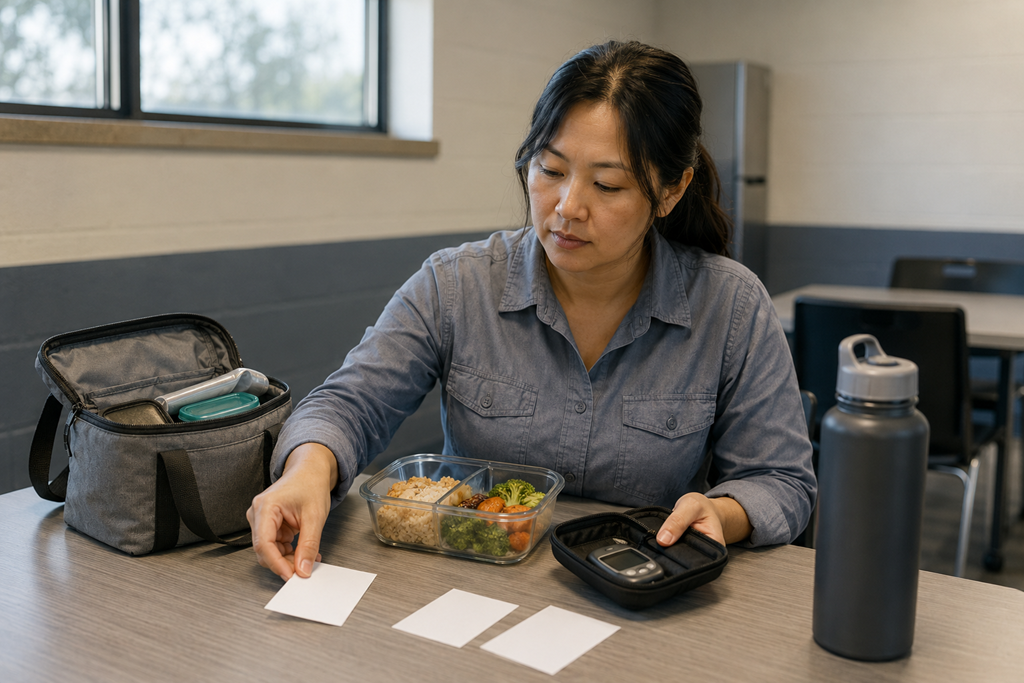
Preparing questions about blood sugar management starts with identifying what feels unclear in your actual routine. You do not need to understand every reading, organize perfect records, or know the medical language before meeting with a diabetes care provider.
The most useful questions often begin with simple observations:
- “I keep noticing this pattern.”
- “I do not understand why this number changes.”
- “I am unsure what I should do when this happens.”
- “This recommendation is difficult to follow during my normal day.”
These details give a primary care provider, endocrinologist, pharmacist, or diabetes care and education specialist something specific to discuss with you. Instead of trying to ask every possible diabetes question, focus on the situations that affect your daily decisions.
Start With What You Want To Understand
Blood sugar management can feel like a collection of numbers, meals, medications, devices, and rules that do not always connect clearly.
You may wonder why a reading is different from what you expected. You may be uncertain about when to check, which changes matter, or whether your meter or continuous glucose monitor is showing a meaningful pattern. You may also understand the general recommendation but struggle to apply it around work, caregiving, sleep, travel, exercise, or irregular meals.
Before an appointment, finish this sentence:
“The part of managing my blood sugar that I understand least is…”
Your answer can become the central question for the visit. It may concern morning readings, changes after meals, activity, medication timing, low readings, high readings, device use, or simply knowing which numbers deserve attention.
A focused concern is usually more useful than arriving with a long list of general questions copied from somewhere else.
Connect Your Questions To Real Situations
A number by itself may not explain what was happening around it. When possible, connect your question to the circumstances surrounding the reading.
For example:
- “I notice a different pattern on workdays than on days off.”
- “My readings seem different after certain breakfasts.”
- “I am not sure when I should check after physical activity.”
- “My schedule sometimes causes me to eat later than planned.”
- “I do not know how to interpret what my device shows overnight.”
- “I am concerned about what my family should know if I need help.”
Keeping a record of blood sugar checks along with context such as timing, meals, or physical activity can help a health care team review patterns more meaningfully. The appropriate timing and frequency of checks should be discussed with the provider managing your care.
You do not need to decide what caused the pattern. Bring the observation and ask the provider to help you understand it.
Ask What Your Numbers Mean For You
Online examples and advice from other people may make blood sugar targets sound universal. Your own goals, testing schedule, medications, health history, and safety plan should come from your qualified care team.
Useful questions may include:
- What blood sugar range are we aiming for in my situation?
- Which readings are most important for me to track?
- When should I check my blood sugar, and what is each check meant to show?
- How much variation should I expect during a normal day?
- Which patterns would you want me to report?
- What information should I bring to my next appointment?
These questions move the conversation beyond whether one number appears “good” or “bad.” They help clarify what the provider wants you to notice and how the information will be used.
Turn Frustration Into A Specific Question
Sometimes the real concern is not a reading. It is the difficulty of following a plan in everyday life.
A recommendation may seem straightforward during an appointment but become harder around rotating shifts, family meals, limited break times, transportation, cost concerns, changing appetite, or an unpredictable schedule.
Rather than saying, “I am not doing well with this,” describe the point where the plan breaks down:
- “I can follow this routine at home, but not during my work shift.”
- “I understand when to check, but I often cannot do it at that time.”
- “I am unsure how to plan meals when my schedule changes.”
- “I have several instructions and do not know which one takes priority.”
- “I am concerned about the ongoing cost or complexity of these supplies.”
This is useful information, not a confession. A plan that does not fit your life is worth discussing openly. The provider cannot help address an obstacle they do not know exists.
Include Questions About Medicines And Devices
Meters, continuous glucose monitors, medications, and other diabetes supplies can create questions that are easy to postpone.
Bring the exact names of the medicines and devices you use, or bring the containers and equipment when the provider’s office asks you to do so. Do not change medication doses or schedules based only on general information; ask the prescribing professional for instructions specific to you.
Possible questions include:
- What should I understand about how this medicine affects my blood sugar?
- What should I do if I miss or delay a dose?
- Could the timing of my medicine be related to the pattern I am seeing?
- How should I use my meter or monitor information between appointments?
- What should I do when a device reading does not match how I feel?
- Who should I contact when I have a medication or equipment question?
- Are there supplies or records I should bring next time?
The goal is not to learn every technical detail. It is to understand how the treatment plan and equipment fit into your own day.
Clarify What To Do About High Or Low Readings
People are often told to watch for high or low blood sugar without feeling certain about what action to take.
Ask your provider for a clear, personalized response plan. Questions might include:
- What symptoms or readings should prompt me to contact your office?
- When should I seek same-day medical guidance?
- What situations require urgent or emergency care?
- What should I keep available in case my blood sugar becomes too low?
- What should family members, coworkers, or caregivers know?
- How should illness affect my monitoring or medication plan?
- Where should I find my written instructions after the appointment?
Do not rely on a general article for personal thresholds or emergency instructions. Those details should come directly from a qualified professional who understands your medical history and treatment plan.
Do Not Edit Out The Imperfect Days
Some people prepare for an appointment by showing only the readings, meals, or routines they believe look acceptable. That can make the conversation less useful.
An unusual day may reveal the exact issue that needs discussion. A missed check, delayed meal, difficult work shift, unexpected low reading, or confusing device result can help the provider understand where additional education is needed.
You are not being graded on your records. The purpose of reviewing them is to identify questions, patterns, and practical obstacles.
It is also reasonable to say that you have not been tracking consistently. That can lead to a more useful question: What is the smallest amount of information I should collect before our next visit?
Notice Whether The Provider Explains The Reasoning
When comparing Sacramento-area diabetes education services or preparing for a consultation, pay attention to how the professional responds to questions.
A helpful provider should be willing to explain what they want you to monitor, why it matters, and how the plan relates to your routine. Instructions should be understandable enough that you know what to do after leaving the appointment.
Consider asking:
- How do you help patients recognize patterns without becoming focused on every individual number?
- Can you explain how this recommendation fits my schedule?
- Will I receive written instructions or an after-visit summary?
- Who can answer questions between appointments?
- How will we decide whether the plan is working?
- What should I track before the next visit?
Be cautious when communication feels rushed, dismissive, unnecessarily confusing, or based on a one-size-fits-all approach. It is reasonable to request clarification before agreeing to a plan, device, program, or follow-up schedule.
Choose Your Three Most Important Questions
You may have more questions than can reasonably be covered in one visit. Before the appointment, identify the three that would make the biggest difference in your daily life.
A simple priority order is:
- A safety question you need answered.
- A recurring pattern you do not understand.
- A practical obstacle that makes the current plan difficult to follow.
Keep additional questions available in case there is time. You can also ask which topics should be addressed at a follow-up visit or with another member of the diabetes care team.
Better Questions Begin With Honest Observations
You do not need to arrive at a diabetes care appointment with perfect records or fully formed medical questions. Bring the numbers and situations that confuse you, the parts of the plan that are difficult to follow, and the decisions you do not feel prepared to make alone.
Specific observations help turn a broad conversation about “managing blood sugar” into a discussion about your actual needs. That preparation can help you leave the appointment with clearer expectations, more useful instructions, and a better understanding of what to monitor next.