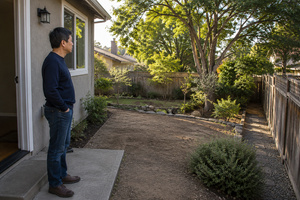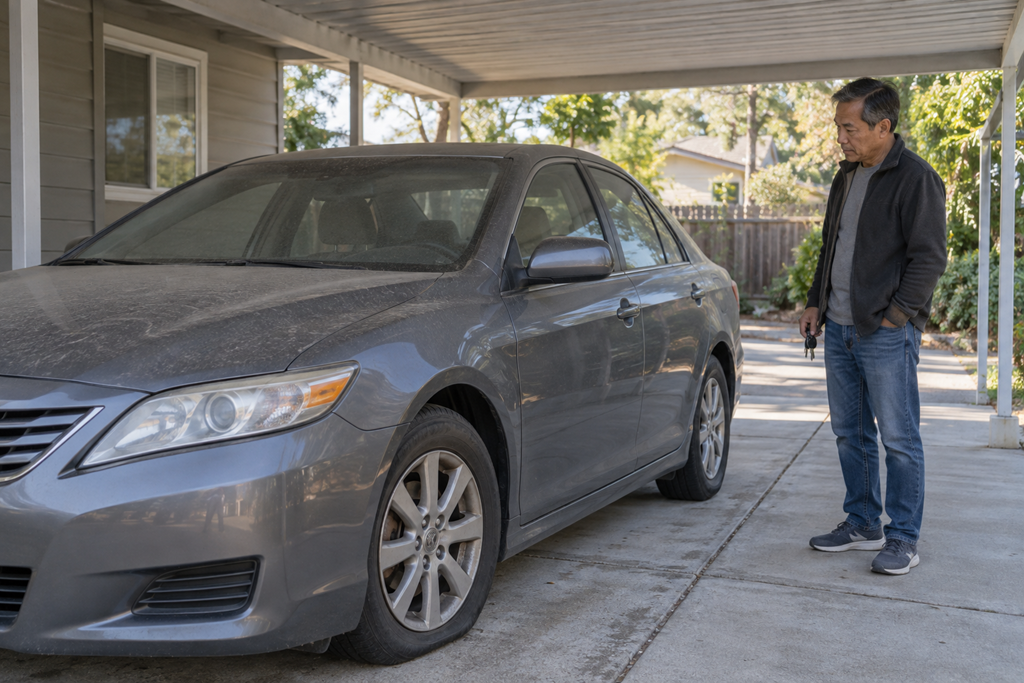
Letting a vehicle sit for an extended period can create problems even when nothing appears wrong from the outside. A battery can lose its charge, tires can lose pressure or develop temporary flat spots, exposed brake surfaces can collect corrosion, and fluids or seals may reveal issues once the vehicle is used again. For Sacramento-area drivers, the main question is not simply how long the vehicle has been parked, but what condition it was in before storage, where it has been sitting, and what has changed during that time.
A vehicle that is not being driven can feel as though it has been placed on pause. Mechanically, however, time keeps passing.
That distinction matters when someone returns to a second vehicle, an inherited car, a recreational vehicle, or a car that simply has not been needed for a while. The outside may look almost exactly as it did when the vehicle was parked, while several smaller changes have been developing out of sight.
A Parked Vehicle Is Still Changing
Regular driving does more than move a vehicle from one place to another. It also keeps many systems going through their normal operating cycles.
When those cycles stop for a prolonged period, several ordinary changes can occur. A battery may gradually discharge. Tires can slowly lose air. Brake components exposed to moisture can develop surface corrosion. Fuel and fluids continue aging. Rubber parts, seals, wiring, and other materials also remain exposed to temperature changes and environmental conditions.
None of these possibilities automatically means a major repair is waiting.
The useful point is simply that not being driven does not mean nothing is happening.
That is why the condition of a vehicle after a long period of inactivity is better judged by the vehicle itself than by the calendar alone.
There Is No Single “Too Long” Point That Fits Every Car
Drivers often want a simple number: How many days, weeks, or months can a vehicle sit before it becomes a problem?
There is rarely one answer that applies equally to every vehicle.
A relatively new vehicle that was in good condition before being parked may respond differently from an older car that already had a weak battery, slow tire-pressure loss, minor fluid seepage, or another unresolved concern.
Where the vehicle sits also matters.
A car parked inside a protected garage experiences different conditions from one sitting outdoors through Sacramento heat, direct sun, dust, temperature changes, and seasonal rain. The condition of the battery, tires, fuel system, brakes, and other components before the vehicle was parked can matter just as much as the length of time itself.
Thinking about the entire situation is generally more useful than trying to identify one universal deadline.
Starting Again Does Not Tell You Everything
One common assumption is that if a vehicle starts, the period of inactivity did not hurt anything.
A successful start is reassuring, but it does not necessarily answer every question.
A vehicle can start while still having low tire pressure, developing brake concerns, aging fluids, a weakened battery, or another condition that becomes more noticeable once the vehicle is driven regularly again.
The opposite misunderstanding can happen too. If a vehicle does not start after sitting, it is easy to assume the problem must be serious. Sometimes the issue may be relatively straightforward, while other situations deserve a broader evaluation.
The important distinction is between whether the vehicle starts and whether its overall condition is appropriate for returning to normal use.
Those are related questions, but they are not identical.
What Happened Before the Vehicle Was Parked Matters
A period of inactivity can sometimes draw attention to problems that were already developing.
Perhaps the battery had occasionally seemed weak. A tire needed air more often than the others. There was an unexplained spot beneath the vehicle. A warning light had appeared intermittently. The vehicle had been making an unfamiliar sound.
Parking the vehicle does not necessarily cause those conditions, but time may make them easier to notice when the vehicle is eventually used again.
This is one reason it helps to remember the car's condition before it stopped being driven.
If something already seemed questionable, that information can be useful when explaining the situation to a mobile mechanic or repair provider.
The Parking Environment Can Change the Picture
Sacramento-area vehicles may spend long periods sitting in garages, driveways, carports, apartment parking areas, or uncovered outdoor spaces.
Those environments do not affect a vehicle in exactly the same way.
A garage may offer more protection from direct sunlight and weather while still allowing a battery to discharge or tires to lose pressure. An outdoor vehicle may also accumulate dirt and debris and experience more direct exposure to heat, sun, moisture, and changing temperatures.
Long periods of inactivity can occasionally create another concern: animals may find sheltered areas of a parked vehicle attractive for nesting. That does not mean every stored vehicle will experience pest-related damage, but signs of unusual debris, odors, or disturbed material can be worth mentioning rather than dismissing.
Again, the goal is not to assume something is wrong. It is to recognize that the vehicle's surroundings are part of its history.
A Mobile Mechanic Can Be Useful When Driving the Car Feels Like a Guess
A vehicle that has been sitting can create an awkward decision.
You may want a professional evaluation, but you may also be unsure whether driving the vehicle to a shop is the right first step.
That is one situation where a mobile mechanic may be worth discussing. Because the vehicle can initially be evaluated where it is parked, the owner does not necessarily have to make the first decision based only on whether the engine starts.
This can be particularly helpful when the vehicle has been inactive for a substantial period, its previous condition is uncertain, or something about its current condition makes the owner hesitant to put it immediately back on the road.
A mobile evaluation does not automatically mean repairs will be needed. It can simply provide more information about what has changed and what, if anything, deserves attention.
Useful Questions Before Scheduling a Mobile Mechanic
When contacting a Sacramento-area mobile mechanic about a vehicle that has been sitting, a few focused questions can make the conversation more useful:
- What information about how long and where the vehicle was parked would be helpful before the appointment?
- Can you evaluate the vehicle's general condition before I decide whether to drive it regularly again?
- Are there particular symptoms or changes you want me to mention when scheduling?
- If you find an issue, will you explain which concerns relate to the period of inactivity and which may have existed beforehand?
- What can be evaluated at the vehicle's location, and what situations might require additional shop-based testing or service?
Clear answers can help set expectations before the appointment and make it easier to understand what the mobile service is intended to accomplish.
Avoid Assuming the Worst—or Assuming Nothing Changed
A vehicle that has been sitting for a long time does not automatically need major repairs.
It also should not automatically be treated as though no time has passed.
Those two extremes can make the decision harder than it needs to be.
A more useful approach is to consider how long the vehicle has been inactive, its condition before it was parked, where it has been stored, and anything that now seems different. If uncertainty remains, a qualified professional can help determine whether further evaluation or service makes sense.
For Sacramento residents returning a long-parked vehicle to regular use, the goal is not to predict every possible problem. It is to avoid letting a normal-looking exterior or a successful first start become the only information guiding the decision.
Understanding that a parked vehicle continues to change can make the next step much easier to evaluate.