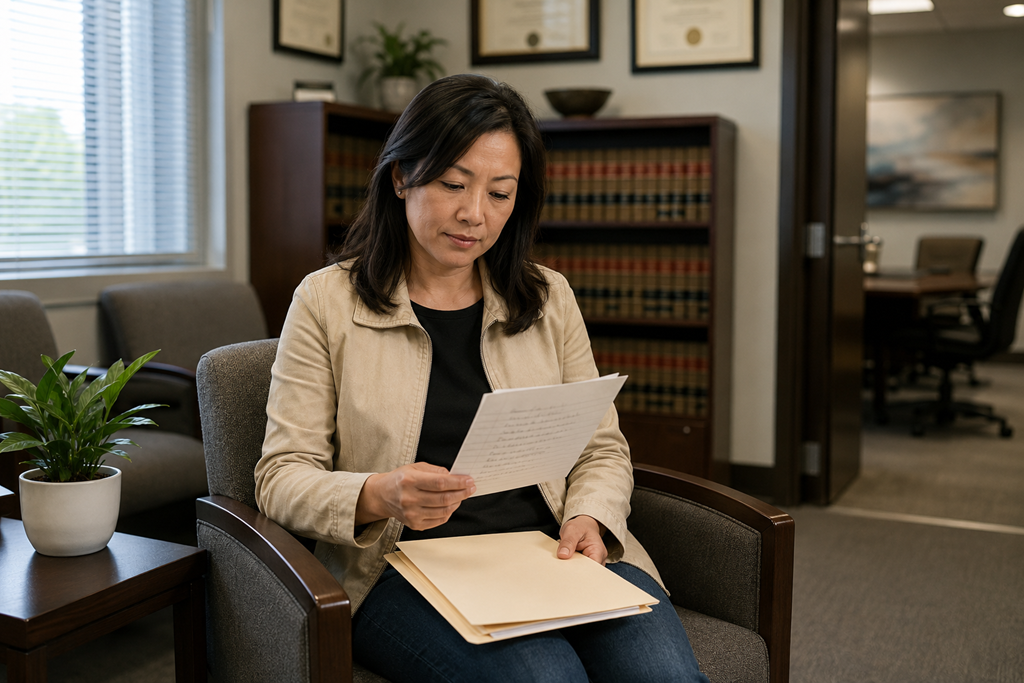
Small accident details can become important later because they help explain what happened, what changed afterward, and what questions may need to be answered during a consultation or insurance-related conversation. A detail that seems minor in the moment may later help clarify timing, location, communication, symptoms, damage, or the sequence of events.
That does not mean every small detail will matter. It also does not mean someone should try to turn every memory into evidence. But after an accident, especially when stress, pain, paperwork, and phone calls start to pile up, small facts can help keep the situation easier to understand.
For Sacramento residents dealing with an accident, this can be especially helpful before speaking with a personal injury lawyer or another qualified professional. The goal is not to build a legal argument on your own. The goal is to stay organized enough to explain what you remember clearly and ask better questions.
The Details That Feel Minor At First Are Often Easy To Lose
Right after an accident, most people focus on the obvious things: whether anyone is hurt, whether a vehicle or property is damaged, whether they need to call someone, and what happens next.
That makes sense. The first concern is usually safety and immediate needs.
But smaller details can fade quickly. A person may forget where they were standing, what direction they were facing, what was said during a brief conversation, when discomfort started, or whether there were photos, messages, receipts, or witnesses connected to the incident.
These details may not seem important at the time because they feel ordinary. Later, they may help answer basic questions such as:
- What happened before the accident?
- What did you notice right afterward?
- Who was present?
- What changed in the hours or days after?
- What conversations or documents followed?
Those questions can be difficult to answer clearly when everything is based only on memory.
Small Details Help Explain The Sequence Of Events
One reason small details matter is that they can help show the order of events.
After an accident, the situation may not unfold all at once. A person may feel shaken at first, notice pain later, receive a call from an insurance company, visit a provider, miss work, arrange repairs, or start collecting documents. Each step may connect to the larger picture.
The sequence matters because confusion often happens when events are remembered out of order.
For example, someone may remember that they felt pain, but not when it started. They may remember speaking with someone, but not whether that conversation happened before or after a repair estimate, medical visit, or insurance call. They may remember taking photos, but not what those photos were meant to show.
Small details can act like markers. They help separate what happened at the scene from what happened later. They can also help a qualified legal professional understand what questions to ask next.
Memory Can Feel Clear Even When Important Pieces Are Missing
Accidents are often remembered in fragments. That does not mean someone is careless or dishonest. It is common for stressful events to feel clear in some ways and blurry in others.
A person may remember the sound of impact, the feeling of being startled, or the first person they called. At the same time, they may forget smaller details that would have helped explain the situation later.
Everyday life also gets in the way. Sacramento residents may be dealing with work, family responsibilities, transportation issues, appointments, car repairs, calls, forms, and follow-up conversations. Even a person with a strong memory can lose track of details when too much is happening at once.
This is why writing down small facts can be useful. It gives the person something to refer back to instead of trying to recreate everything from scratch later.
A Small Detail Is Not Always A Big Detail
It is also important not to overstate the point.
Not every detail will become important. Some details may turn out to be unrelated. Others may be useful only because they help refresh memory or explain context. A small note does not automatically prove anything, and it should not be treated as a legal conclusion.
For example, noticing that a parking lot was busy, that a conversation happened quickly, or that pain felt different later in the day may help organize the story. But what those details mean depends on the full situation.
That is one reason it can be helpful to speak with a qualified personal injury lawyer if someone has questions about an accident. A professional can help sort what may be relevant, what may be unclear, and what information may need closer review.
The Most Useful Details Are Usually Simple And Specific
The details that help most are often not dramatic. They are usually simple, specific, and connected to what happened.
Helpful details may include what the person noticed before the accident, where they were, who was nearby, what was said, what damage was visible, when discomfort started, what documents were received, and what follow-up steps happened afterward.
These kinds of details can help make a consultation more productive because they give the professional a clearer starting point.
It is usually more useful to say, “I noticed soreness later that evening after I got home,” than to make a broad statement that is hard to place in time. It is more useful to keep a repair estimate, appointment card, or insurance letter together than to try to remember where each document came from later.
Specific details reduce guesswork.
Small Details Can Help You Ask Better Questions
When someone is preparing to speak with a personal injury lawyer, they may not know what matters. That is normal. Most people do not deal with accident-related questions every day.
Having small details organized can help the conversation feel less scattered. Instead of trying to explain everything from memory, the person can ask clearer questions, such as:
- Does this detail matter for my situation?
- Should I keep this document?
- Is this conversation something I should mention?
- What information would help you understand what happened?
- What should I avoid assuming before I know more?
These questions are practical because they do not require the person to diagnose the legal meaning of the accident. They simply help the person prepare for a better conversation with a qualified professional.
What Often Makes Details Harder To Sort Out
One common mistake is assuming that the “big picture” is enough. While the big picture matters, small details can help explain the big picture more clearly.
Another pattern is waiting too long to write anything down. As time passes, memories can become mixed with later conversations, assumptions, or repeated retellings. A person may start to remember what they think happened rather than what they actually noticed at the time.
It can also become confusing when documents are scattered across email, text messages, glove compartments, kitchen counters, and appointment folders. Even when the information exists, it may be hard to use if it is not easy to find.
Another issue is leaving out uncertainty. It is okay not to know something. In many situations, saying “I do not remember” or “I am not sure” is more accurate than trying to fill in a blank. Clear uncertainty can be more useful than confident guessing.
Organization Matters More Than Perfection
The purpose of keeping track of details is not to create a perfect record. Most accident situations are imperfect. People are stressed. Documents arrive at different times. Conversations happen quickly. Symptoms may change. Repair or medical information may be incomplete at first.
A simple, organized record is often better than trying to remember everything perfectly later.
That may mean keeping accident-related papers in one folder, saving photos in one place, writing down brief notes after important conversations, and keeping track of appointments or expenses connected to the accident.
The point is not to over-document every moment of life. The point is to make sure the basic facts are not lost before someone has a chance to ask informed questions.
Why This Matters Before A Legal Consultation
A personal injury consultation is often easier when the person can explain the situation in a clear, practical way. Small details can help the lawyer understand what happened, what is known, what is uncertain, and what may need more review.
This does not mean the person should try to decide the legal value of each detail alone. That is not the reader’s job. The reader’s job is simply to bring forward information that may help the professional understand the situation.
For Sacramento-area residents, this can make the conversation feel more focused. Instead of arriving with scattered papers, half-remembered calls, and disconnected facts, the person can explain the accident more steadily and ask what information may be worth discussing next.
Small Details Can Reduce Confusion Later
Accident-related situations can become confusing because many things happen at once. There may be property damage, physical discomfort, missed work, phone calls, insurance questions, provider visits, transportation issues, and paperwork.
Small details can help connect those pieces.
They can also help someone notice gaps. Maybe they never received a document they expected. Maybe they forgot to mention a symptom during an appointment. Maybe they are unsure whether a conversation was important. Maybe they have photos but do not remember why they took them.
When small details are kept in one place, those gaps become easier to see and easier to ask about.
A Practical Way To Think About Small Details
A useful way to think about small accident details is this: they are not automatically important, but they may help someone understand what is important.
That is a calmer and more realistic approach than treating every detail like a major turning point. It also helps avoid the opposite mistake, which is dismissing everything that does not seem obvious right away.
Small details give context. They help preserve memory. They support clearer conversations. They help qualified professionals ask better follow-up questions. And they can help the person feel less lost when the situation becomes more complicated than expected.
The Takeaway For Sacramento Residents
Small accident details can matter later because they help explain the story more clearly. They may show timing, context, changes, conversations, documents, or patterns that are easy to forget once life gets busy again.
You do not need to know which details are legally important before speaking with a professional. But keeping accident-related information organized can help you ask better questions and have a more useful conversation with a qualified personal injury lawyer about your specific situation.
The goal is not to handle everything alone. The goal is to stay prepared enough that important information is not lost before you know whether it matters.