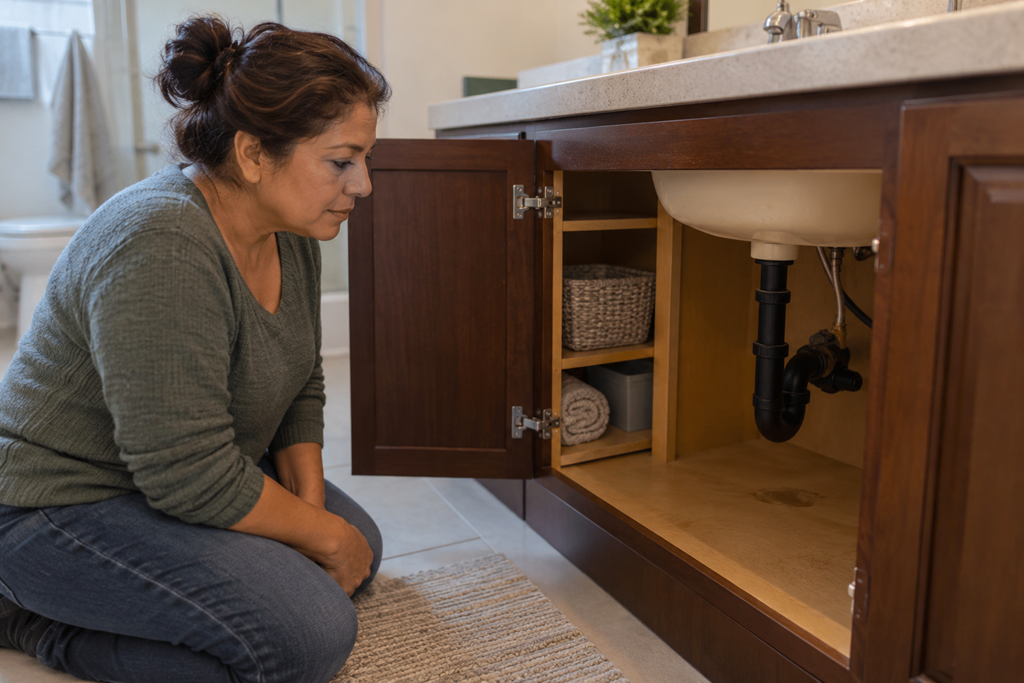
Common plumbing repairs can take anywhere from part of an hour to several hours, while more involved problems may take most of a day or longer. The biggest difference is usually not the name of the repair itself, but what the plumber finds once the problem is inspected, how easy the area is to reach, and whether replacement parts or additional work are needed.
That uncertainty can make scheduling a plumbing appointment harder than expected. A dripping faucet may sound like a quick repair, while a clogged drain may seem more serious, yet the actual time required can reverse those expectations once the plumber sees the condition firsthand.
For Sacramento-area homeowners and renters, it helps to think of a plumbing repair estimate as a combination of diagnosis, access, repair scope, and testing rather than assuming every repair of the same type takes the same amount of time.
Some Common Repairs May Be Finished During a Short Service Visit
Straightforward plumbing problems can sometimes be handled relatively quickly when the cause is easy to identify and the work area is accessible.
Examples may include:
- replacing a simple faucet component
- correcting a basic toilet problem
- addressing an uncomplicated sink or tub drain blockage
- replacing an accessible garbage disposal
- repairing a visible leak at an exposed connection
Depending on the situation, these types of repairs may take roughly an hour or a few hours.
The important word is straightforward. Two homes can appear to have the same plumbing problem while requiring very different amounts of work.
A toilet that needs one readily accessible component is different from a toilet problem that turns out to involve another part of the plumbing system. A leak beneath a sink with clear access is different from a leak whose source is difficult to see.
The initial symptom tells you what you are noticing. It does not always reveal the full repair scope.
Drain Problems Can Take Longer When the Cause Is Not Immediately Clear
A basic localized clog may sometimes be addressed in a relatively short appointment. Other drainage problems can require more time if the plumber needs to determine where the restriction is located or whether the problem affects more than one fixture.
For example, there is an important difference between one slow sink and several fixtures showing drainage problems.
This is one reason homeowners should describe what they have been noticing before the appointment. Knowing whether the problem affects one fixture, one room, or several parts of the home can help the plumber understand the situation they are walking into.
The actual repair time still depends on what is found during evaluation.
Leak Repairs Depend Heavily on Where the Leak Is Located
A visible, accessible plumbing leak may be relatively simple to address.
A concealed leak can be very different.
If water appears near a wall, ceiling, cabinet, or floor but the plumbing source is not immediately visible, part of the service visit may involve determining exactly where the problem begins before the repair itself can be completed.
That distinction matters when thinking about timing.
Homeowners sometimes picture repair time as the period when a plumber is physically replacing a pipe or fitting. In reality, identifying the correct source can be an important part of the appointment.
Access can matter just as much. Plumbing behind cabinetry, walls, flooring, or other finished areas may require a different approach from exposed plumbing beneath a sink or in an accessible utility space.
Fixture and Appliance-Related Plumbing Work Can Range From Simple to Involved
Faucets, toilets, garbage disposals, and water heaters are familiar household fixtures and equipment, but the time needed to work on them can vary considerably.
A small component repair may be completed during a relatively short visit. Replacing an entire fixture or piece of equipment may take several hours, particularly when removal, installation, connections, adjustments, and final checks are involved.
Unexpected conditions can also change the schedule.
For example, the plumber may discover that an existing connection is worn, access is tighter than expected, or the required replacement part is not immediately available.
This does not necessarily mean something has gone wrong with the service appointment. It may simply mean the original symptom did not reveal everything involved.
Larger Pipe and Sewer Problems May Extend Beyond a Typical Appointment
Repairs involving larger sections of piping, difficult access, underground plumbing, or sewer-related problems can require considerably more time than a common fixture repair.
Depending on the scope, work may extend through much of a day or across more than one visit.
These situations can involve additional evaluation, access planning, equipment, materials, or coordination before the repair can be completed.
That is why it can be misleading to ask only, “How long does this type of repair normally take?”
A more useful question is:
What about my particular repair could make the job shorter or longer?
That gives the plumber room to explain the factors that actually affect the schedule rather than offering a generic time estimate that may not fit what is eventually found.
The Service Appointment and the Repair Are Not Always the Same Thing
Another common source of confusion is assuming that a scheduled plumbing appointment automatically means the entire problem will be repaired during that visit.
Sometimes it will be.
In other situations, the initial appointment may identify a problem that requires a particular part, additional access, more extensive work, or a return visit.
This distinction is worth discussing when scheduling.
You can ask whether the appointment is expected to include diagnosis and repair when possible, or whether the initial visit is primarily intended to evaluate the problem.
Knowing that beforehand makes it easier to plan your day without assuming a specific completion time.
Parts Availability Can Affect the Calendar Even When Labor Time Is Short
The hands-on repair itself may take only a modest amount of time, but that does not always mean the entire process will be completed immediately.
A plumber may need a particular fixture, fitting, component, or replacement unit that is not available during the first visit.
This is especially relevant when the home has less-common equipment or when an exact replacement is needed.
In that situation, there is a difference between how long the repair takes to perform and how long it takes from the first appointment until the problem is fully resolved.
That distinction can prevent unnecessary frustration when comparing timeline estimates.
Access Is One of the Easiest Timing Factors to Overlook
A plumbing component that is clearly visible and easy to reach generally presents a different situation from plumbing located behind stored belongings, cabinetry, finished surfaces, or within a restricted utility area.
That does not mean homeowners need to diagnose the plumbing or prepare the work area beyond what the provider recommends.
It simply means access is worth mentioning when describing the problem.
If the leak is beneath a crowded sink cabinet, the water heater is in a tight enclosure, or the affected plumbing is in a difficult-to-reach area, mentioning that when scheduling can give the provider better context.
Ask About the Range, Not Just the Fastest Possible Time
When speaking with a Sacramento-area plumber, a few simple questions can make the timing discussion more useful:
- Is this usually something that can be repaired during one visit?
- What could cause this type of repair to take longer?
- Does the appointment include time to diagnose the problem?
- Could a special part or replacement component require another visit?
- If the scope changes after inspection, will you explain the revised timing before continuing?
The goal is not to get a guaranteed completion time before anyone has inspected the problem.
It is to understand what a reasonable appointment may look like and what circumstances could change it.
A Good Timeline Becomes Clearer After the Problem Is Evaluated
For many common plumbing repairs, the most reliable timeline comes after the plumber has identified the actual cause, confirmed access, and determined what work is needed.
A straightforward repair may be completed within a relatively short appointment. A concealed leak, difficult drain problem, larger pipe issue, equipment replacement, or repair requiring a special part may take several hours, a return visit, or longer.
Before scheduling plumbing work, focus less on getting a universal number and more on understanding what factors could change the timing in your home. That makes it easier to plan around the appointment and evaluate whether the plumber is communicating the expected scope clearly.