Security door installation usually moves through a few distinct stages: choosing a door that fits your security, ventilation, appearance, and access needs; confirming measurements and installation conditions; reviewing the scope; scheduling the work; installing the door; and checking that it opens, closes, locks, and fits as expected. The details can vary by home, door style, and provider, but understanding those stages makes it easier to compare estimates and know what should be clarified before work begins.
For Sacramento-area homeowners, the process can initially seem simpler than it really is. You may start by thinking mainly about the door itself—its appearance, screen design, locking features, or construction—but installation also depends on how that particular door works with the existing entry.
That is why a useful estimate or consultation usually involves more than choosing a model and setting an installation date.
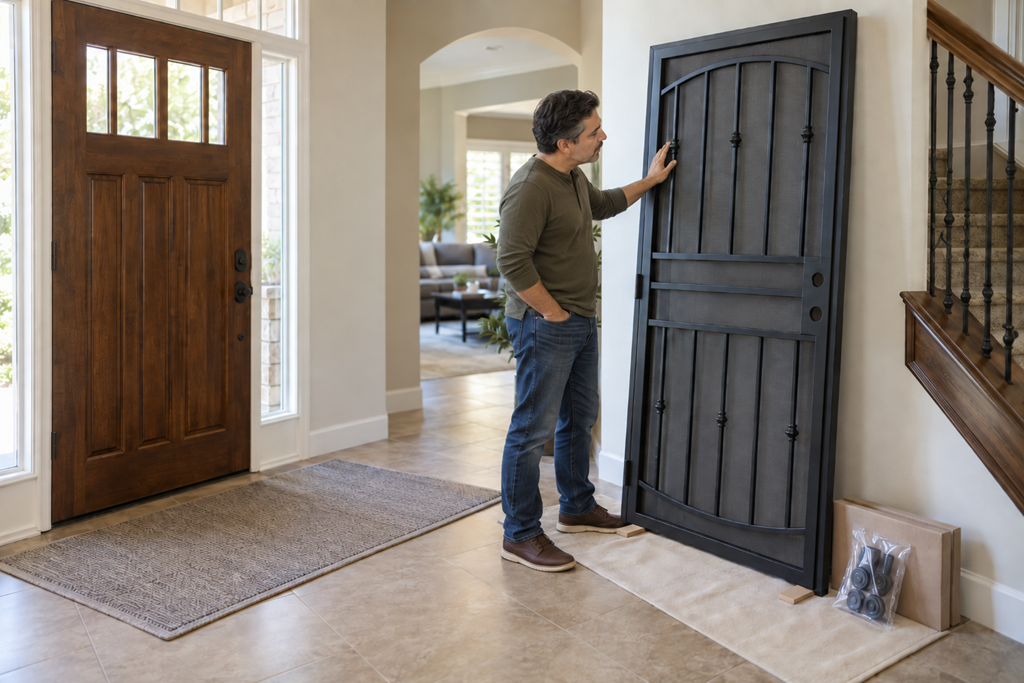
Selection Starts With How You Want The Door To Function
A security door can serve several purposes at the same time.
One homeowner may primarily want an additional locked barrier at the front entrance. Another may care about being able to open the main door for airflow while keeping a security door closed. Appearance, visibility, privacy, screen material, locking preferences, and everyday ease of use may also matter.
Thinking through those priorities before choosing a door can make the rest of the project easier to evaluate.
For example, a door that looks appealing in a catalog or showroom may not automatically be the best fit for how your household uses the entrance. If ventilation matters, ask how the door's screen or perforated areas affect airflow. If visibility or privacy matters, clarify how much can be seen through the door from each side.
The goal is not simply to choose the door with the longest list of features. It is to understand which features matter in your own entryway.
The Existing Entry Becomes Part Of The Conversation
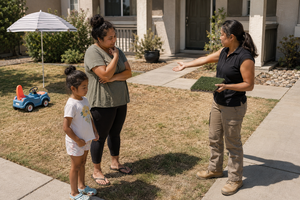
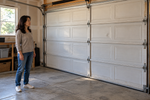
Once a door style is being considered, the existing opening usually needs attention.
A provider may need to evaluate dimensions, the surrounding frame or mounting area, door swing, nearby trim, handles, thresholds, and other conditions that could affect the project.
This is an important distinction: choosing a security door and confirming that it can be installed as expected are related decisions, but they are not exactly the same decision.
A homeowner may therefore reach the measurement or assessment stage and discover that something needs additional clarification before an order or installation proceeds.
That does not automatically mean there is a serious problem. It may simply mean the provider needs to define the scope more carefully.
Measurements Help Turn A Door Choice Into A Specific Project
Accurate measurements are one of the points where a general product choice becomes a property-specific installation plan.
This is also a useful stage for homeowners to pay attention to what is actually included in the proposal.
If adjustments around the opening may be necessary, ask whether they are part of the quoted scope. If there are different options for hardware, screens, finishes, or related components, make sure you understand which version is being priced.
Some security doors may be readily available, while other configurations may involve ordering or customization. Rather than assuming when the door will be ready, ask the provider to explain what happens after measurements are confirmed and what needs to occur before installation can be scheduled.
The Estimate Should Describe More Than The Door
A useful estimate should help you understand the project you are agreeing to, not merely identify the product.
When comparing Sacramento-area security door installation providers, look for enough detail to understand whether the quotes are actually describing the same scope.
One estimate may include particular hardware or preparation that another treats separately. One provider may be discussing a standard configuration while another is pricing a different door construction, finish, screen, or lock setup.
A lower or higher total is difficult to interpret until you know what is included.
This is why comparing scope can be more useful than comparing the final numbers by themselves.
Useful questions may include:
- Which security door and configuration does this estimate include?
- What hardware or locking components are included?
- Does the existing entry require any additional preparation?
- Are those preparation items included in the quoted scope?
- Is the door readily available or being ordered for this project?
- What should be completed or moved before installation day?
- What will be checked with me when the installation is finished?
You do not need a technical explanation of every installation detail. You do need enough information to understand what you are buying and what the provider expects to do.
There May Be A Gap Between Selection And Installation
One easy misunderstanding is assuming that choosing the door means the project is essentially ready to begin.
Sometimes it is. Sometimes additional steps remain.
Measurements may need to be finalized. A specific door or component may need to be obtained. Details in the proposal may need approval. The provider may need to confirm that the installation conditions match what was originally discussed.
The important point is that a gap between the initial selection and the actual installation is not necessarily unusual.
Before committing, ask what milestones need to happen between those two points. That gives you a clearer picture of the process without relying on assumptions about timing.
Installation Day Should Match The Scope You Approved
By the time installation begins, the door selection and major scope details should no longer feel mysterious.
Homeowners may be asked to provide reasonable access to the entry and move personal belongings or furniture away from the immediate work area. Your provider can tell you what preparation is appropriate for your particular project.
The installation itself should be handled by the qualified professional rather than treated as a do-it-yourself lesson. Security doors involve attachment, alignment, hardware, and entry conditions that can vary significantly from one property to another.
From the homeowner's perspective, the more useful question is whether the work being performed matches what was discussed and approved.
If something unexpected is discovered that changes the scope, ask for an explanation before assuming that the original estimate still describes the entire project.
Completion Includes Checking How The Door Actually Works
A project is not complete merely because the security door is physically in place.
The final stage is a good opportunity to look at how the finished door operates in normal use.
You can ask the provider to demonstrate or confirm basic operation, including opening and closing, locking and unlocking, clearance, and any features specific to the door you selected.
This is also the time to mention something that does not seem consistent with what was discussed.
The objective is not for the homeowner to perform a technical inspection. It is to make sure you understand the finished installation and how the door is intended to operate before the provider leaves.
A Smooth Process Depends On Clear Expectations At Each Stage
Security door installation can feel like one purchase, but it is usually easier to understand as a sequence of connected decisions.
First comes identifying what you want from the door. Then the entry needs to be evaluated. Measurements and scope turn the selection into a specific project. Product availability and scheduling determine when installation can move forward. Installation puts the agreed plan into place, and the final walkthrough helps confirm that the finished door works as expected.
Problems are more likely to feel confusing when those stages blur together.
For example, a homeowner may assume a particular feature is included because it appeared on a display model, assume installation conditions are straightforward because the opening looks standard, or assume a chosen door is immediately available without asking.
A few clear questions early in the process can prevent those assumptions from carrying all the way to installation day.
The Main Takeaway
Security door installation usually works best when you understand both the product you are selecting and the project required to install it at your particular entry.
Before hiring a Sacramento-area provider, make sure you understand the door configuration, the installation scope, any conditions that could affect the project, what needs to happen before installation, and what will be reviewed at completion.
That gives you a much stronger basis for comparing providers and deciding whether the proposed project matches what you actually want.