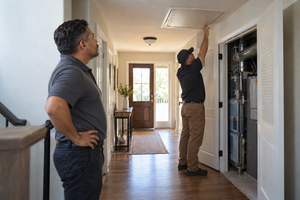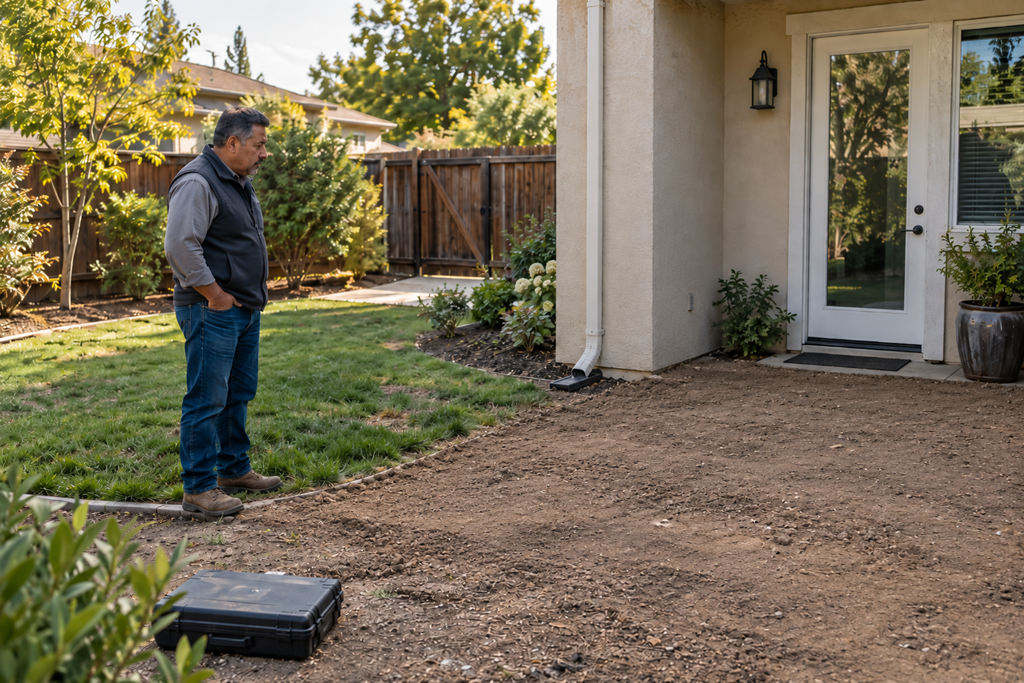
Evaluating a paver contractor is less about choosing the person with the most polished photos or the lowest number on a quote and more about seeing how carefully each contractor understands your specific project. A strong comparison looks at how clearly the contractor discusses the site, scope, materials, preparation, drainage, transitions, access, communication, and what is actually included before you agree to the work.
That can be harder than it sounds. Two contractors may both appear professional, show attractive finished projects, and recommend similar pavers while approaching the actual work very differently. If the proposals are not equally detailed, it can also be difficult to tell whether you are comparing the same project.
For Sacramento-area homeowners planning a paver patio, walkway, driveway, or other outdoor surface, the goal is not to become an expert in installation. It is to determine whether the contractor appears to understand your property, can explain the proposed work clearly, and gives you enough information to make a thoughtful hiring decision.
A Good Evaluation Starts With the Actual Property
A paver contractor should be interested in more than the color and style of the pavers.
The existing surface, nearby doors and thresholds, surrounding landscaping, drainage paths, edges, adjoining concrete, access to the work area, and the way the space will be used can all affect the conversation about the project.
You do not need to know how each of those conditions should be handled. What matters is whether the contractor appears to notice them and can explain how they relate to the proposed work.
That distinction can be useful when comparing companies. One contractor may quickly move toward product samples and pricing, while another spends more time understanding the area before discussing recommendations.
The second approach is not automatically better, but the quality of the contractor's questions and observations can tell you a great deal about how specifically the proposal is being developed for your property.
Compare the Scope, Not Just the Final Price
A lower or higher estimate does not tell you much by itself if the contractors are proposing different scopes of work.
Before comparing the numbers, look at what each proposal appears to include.
For example, does the estimate clearly describe the project area? Does it identify the selected paver or material allowance? Does it explain what preparation, removal, edging, transitions, cleanup, or other major parts of the project are included?
If one proposal is detailed and another simply gives you a total price, comparing them can create a false sense that you are choosing between equivalent offers.
You may actually be comparing two different versions of the project.
This is one reason a clear scope can matter as much as the price itself. The more clearly you understand what each contractor is proposing, the easier it becomes to identify meaningful differences.
Notice How the Contractor Talks About Site Preparation
Homeowners do not need a technical lesson in paver installation, but it is reasonable to ask a contractor to explain the general preparation planned for the project.
Listen for whether the explanation is specific to your property rather than a memorized description that could apply anywhere.
A contractor should be able to discuss, in understandable terms, what happens before the finished pavers are placed and why that preparation matters to the proposed project.
You can also pay attention to whether important site conditions are acknowledged rather than brushed aside.
Sacramento-area outdoor projects can involve strong sun, dry periods, seasonal rain, landscaping, irrigation, existing hardscape, and different ways water moves around a property. You do not need to decide how those conditions should be addressed yourself. They are simply reasonable subjects for a contractor to consider when evaluating the site.
The Questions a Contractor Asks Can Be Revealing
A useful contractor conversation should not consist entirely of the homeowner asking questions.
The contractor should be learning about the project too.
They may ask how you expect to use the space, whether vehicles will travel over it, how people normally enter the yard, whether nearby areas are part of the project, what appearance you prefer, or whether there are existing features you want to preserve.
The exact questions will vary by project.
What matters is whether the conversation feels like an effort to understand the job rather than simply move toward a sale.
If a contractor makes major recommendations before spending much time understanding the property or your priorities, it is reasonable to ask what those recommendations are based on.
Finished Photos and Samples Are Helpful, but They Are Not the Whole Evaluation
Project galleries can help you understand a contractor's style and the types of projects the company has completed. Paver samples can help you compare colors, shapes, textures, and general appearance.
Neither one tells you everything you need to know about how your project will be handled.
A beautiful photograph does not show how clearly the scope was explained, how changes were communicated, whether the homeowner understood the schedule, or how closely the final work matched the agreement.
Likewise, an impressive collection of material samples does not tell you whether the contractor has thought carefully about your specific space.
Use photos and samples as useful information, not as substitutes for evaluating the contractor's approach.
Ask Questions That Make the Proposed Project Easier to Understand
You do not need a long interrogation or a technical checklist. A few practical questions can reveal whether the contractor can explain the project clearly.
Consider asking:
- What exactly is included in this estimate?
- How did you determine the scope for this particular area?
- What site conditions are you taking into account?
- How will you handle transitions where the pavers meet existing surfaces?
- What should I understand about access to the work area?
- Who should I communicate with if I have questions during the project?
- How are changes to the agreed scope handled?
- What cleanup or final project steps are included?
- Are there any parts of the project that are not included in this quote?
The usefulness of the answers matters more than how polished they sound.
A clear answer should help you understand what the contractor intends to do and what you should expect as the customer.
Watch for Vague Areas Before They Become Project Questions
Not every unclear detail is a red flag. Estimates can require follow-up questions, and some decisions may still need to be made before the final scope is settled.
The concern is when important questions remain vague even after you ask for clarification.
Pay attention if you cannot determine what is included, who is responsible for major parts of the project, how changes would be discussed, what material is being proposed, or where the contractor believes the project begins and ends.
Also be cautious about letting one impressive feature of an offer dominate the decision.
An appealing paver sample, attractive portfolio, fast projected start, friendly salesperson, or low price may all be positive factors. None of them automatically answers the larger question of whether the contractor understands the project and has communicated the proposed work clearly.
Look for Consistency Between the Conversation and the Proposal
One of the simplest ways to evaluate a contractor is to compare what you discussed with what appears in the written proposal.
If the contractor spent time talking about a particular transition, project boundary, material choice, access issue, or other important consideration, see whether the proposal reflects that conversation.
You should not have to rely entirely on your memory of a verbal discussion to understand what you are hiring the company to do.
When something important appears to be missing, ask about it before committing.
That does not mean every small detail needs pages of explanation. It means the written scope should be clear enough that you understand the project you are agreeing to.
The Best Fit May Be the Contractor Who Makes the Project Easiest to Understand
Evaluating a paver contractor is ultimately about more than identifying who can install pavers.
You are also deciding who appears to understand your property, define the project clearly, communicate expectations, and answer reasonable questions before the work begins.
That can make comparing contractors much easier.
Instead of trying to judge every company by one factor, such as price, appearance, or presentation, look at the whole interaction. Consider how carefully the contractor evaluated the site, how specifically the proposal reflects your project, and how comfortable you are asking for clarification when something is unclear.
A good hiring decision does not require you to know everything about paver installation. It requires enough clear information to understand what each contractor is proposing and why.
Before You Hire
Take the time to compare what each contractor actually observed, discussed, and included rather than relying on the headline price or the most impressive sales presentation.
The contractor who helps you understand the proposed project clearly gives you something especially valuable before work begins: a better basis for deciding whether the company is the right fit for your property and expectations.