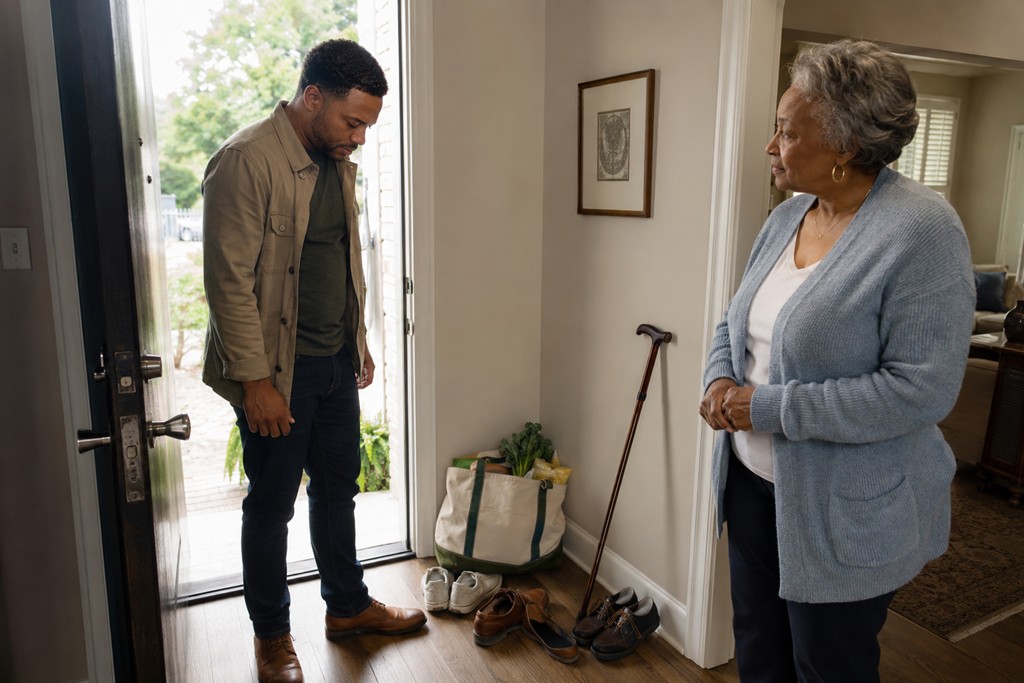
An older loved one may need more support when everyday tasks start becoming harder, less consistent, or less safe than they used to be. It is not always one dramatic event. Often, the signs appear gradually: missed meals, unopened mail, a less tidy home, more confusion around appointments, changes in hygiene, or a new hesitation about activities they used to manage easily.
For Sacramento families, this can be a difficult thing to judge. You may not want to overreact, but you also may not want to ignore a pattern that affects safety, comfort, independence, or quality of life. The goal is not to label every change as a crisis. The goal is to notice what is changing clearly enough to know whether it may be time to ask better questions or compare senior care services.
Support Needs Often Show Up As Patterns
Many families expect the need for senior care support to look obvious. Sometimes it does, but often it starts quietly.
A parent may still be living independently, still answering the phone, still saying they are fine, and still getting through most days. At the same time, you may notice that certain routines are slipping. The refrigerator may be emptier than usual. Laundry may be piling up. Bills may be unopened. Medications may seem harder to keep organized. A once-social person may be spending more time alone.
One skipped task may not mean much. A repeated pattern is different.
When the same issue keeps appearing, it may be a sign that daily life is requiring more effort than your loved one can comfortably manage without help. That does not automatically mean a major change is needed. It may simply mean the family should begin paying closer attention and discussing what kind of support would make daily life easier.
The Small Changes Families Often Notice First
Early signs are often practical, not dramatic. They may show up in the way the home looks, how routines are handled, or how often your loved one avoids tasks that used to feel normal.
You might notice a change in personal care, such as wearing the same clothes repeatedly, skipping grooming habits, or seeming less steady with bathing routines. You might see changes in the kitchen, such as expired food, fewer prepared meals, or a shift toward snacks instead of regular meals. You may notice more clutter, forgotten appointments, missed phone calls, or confusion about paperwork.
Changes in mobility can also matter. If your loved one is avoiding stairs, holding furniture while walking, or becoming hesitant about leaving the house, those patterns may affect independence over time.
These signs do not prove that a specific service is needed. They do suggest that it may be worth having a thoughtful conversation and, when appropriate, speaking with a qualified senior care provider, healthcare professional, or other trusted advisor about possible next steps.
“They Say They’re Fine” Does Not Always End The Question
Many older adults value independence and may not want to worry their family. Saying “I’m fine” can be honest in the moment, but it may not describe the whole picture.
A loved one may feel fine sitting in a chair during a visit, but still struggle with cooking, laundry, bathing, errands, or remembering appointments throughout the week. They may minimize concerns because they do not want to lose control, move from their home, or feel like a burden.
This is why families should pay attention to patterns, not just reassurance.
A helpful question is not only, “Are they okay?” It is also, “What parts of daily life seem harder than they used to be?” That question allows you to think more clearly about the type of support that might fit the situation, whether that involves occasional help, companionship, transportation support, in-home care, or a deeper care conversation.
Everyday Safety Can Change Before A Crisis Happens
Support is not only about medical needs. It can also be about the ordinary details that make a day safer and more manageable.
If an older loved one forgets to turn off appliances, leaves doors unlocked, struggles with steps, misses meals, or has trouble managing medication routines, those concerns may affect daily safety. Again, this does not mean the family should jump to conclusions. It does mean the concerns should be taken seriously enough to discuss.
Sudden confusion, falls, severe weakness, major behavior changes, or signs of immediate danger should be discussed with a qualified medical or emergency professional. For slower changes, families may have more room to compare options, ask questions, and understand what kind of support may be appropriate.
That distinction matters. Not every concern is an emergency, but not every concern should be brushed aside.
Why Families Often Wait Longer Than They Mean To
It is common for families to explain away early signs.
They may think the house is messy because everyone has busy weeks. They may assume missed appointments are just normal forgetfulness. They may believe their loved one is choosing to eat less, go out less, or skip certain tasks. Sometimes those explanations are partly true.
The problem is that small changes can become easy to normalize.
When family members visit only occasionally, they may see each issue as separate. One person notices the mail. Another notices the fridge. Someone else hears about a missed appointment. Until the family compares notes, the pattern may not be obvious.
A calmer way to look at the situation is to focus on what has changed from your loved one’s usual baseline. If the person has always been tidy and the home is suddenly cluttered, that matters. If they have always managed appointments and now frequently forget them, that matters. If they used to enjoy errands and now avoid leaving home, that matters too.
Support Should Match The Real Problem
One reason senior care decisions feel confusing is that families often jump straight to big questions before naming the actual concern.
They may ask, “Do we need care?” before asking, “What exactly is becoming difficult?”
The answer may be different depending on the pattern. A loved one who mainly needs help with errands may not need the same level of support as someone who is struggling with bathing, meals, mobility, and medication reminders. A person who feels lonely may need a different conversation than someone whose home environment has become unsafe.
Before comparing Sacramento-area senior care services, it helps to write down the specific changes you have noticed. Not as a diagnosis, and not as a list of accusations. Just a plain record of what seems different.
That record can make conversations with providers more useful because you are not speaking in vague terms. Instead of saying, “We’re worried,” you can say, “Meals, laundry, transportation, and medication reminders have become harder to manage consistently.” That gives a provider a clearer starting point for discussing possible support.
Questions Worth Asking Before Comparing Senior Care Options
When the signs are not urgent but they are persistent, families can benefit from asking practical questions before choosing a provider.
You might ask:
What daily tasks are becoming harder for our loved one to manage?
Are the concerns occasional, or are they becoming a repeated pattern?
Does our loved one need companionship, help around the home, personal care support, transportation, supervision, or a combination of services?
How does a provider assess what level of support may be appropriate?
What services are included, and what would require a different type of care?
How are changes in needs communicated to the family?
These questions do not replace professional guidance. They simply help you have a clearer conversation before scheduling, hiring, or committing to a senior care arrangement.
A Better Way To Think About The First Conversation
The first conversation does not have to be about taking independence away. It can be about making daily life easier and safer while respecting the person’s preferences.
A family might say, “We’ve noticed a few things seem harder lately, and we want to understand what kind of help would make your week easier.” That feels different from, “You can’t manage anymore.”
Tone matters because senior care decisions often involve pride, privacy, family roles, and fear of losing control. A respectful conversation can make it easier to identify what support is actually needed without turning the moment into an argument.
For Sacramento families, this also helps before contacting local providers. When you understand your loved one’s concerns and preferences, you can ask more specific questions and avoid being guided only by general service descriptions.
The Takeaway For Sacramento Families
Noticing that an older loved one may need more support is rarely about one perfect sign. It is usually about repeated changes in daily routines, safety, home upkeep, personal care, meals, mobility, memory, or social connection.
The most useful next step is not panic or pressure. It is careful observation, respectful conversation, and clearer questions before comparing senior care services. When you understand what has changed and what kind of support may help, you are in a better position to speak with qualified providers and make a thoughtful local service decision.