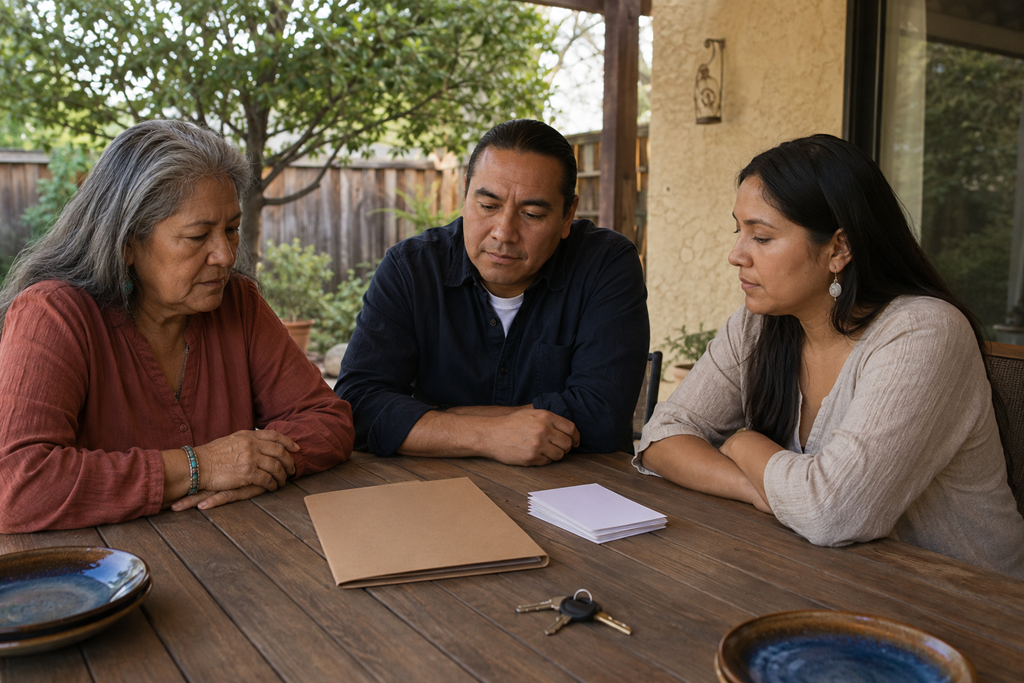
Estate planning is often easier to understand when it is viewed as a practical family decision instead of a stressful legal task. At its core, estate planning is about deciding how important responsibilities, property, care preferences, and decision-making authority should be handled if a person cannot speak for themselves or after they pass away.
For many Sacramento families, the hard part is not recognizing that estate planning matters. The hard part is knowing how to talk about it without making the conversation feel dramatic, uncomfortable, or too far removed from everyday life. A qualified estate planning lawyer can help explain legal options for a specific situation, but the family decision often begins before that consultation.
Estate Planning Is Not Only About Wealth
One common misunderstanding is that estate planning is only for people with large estates, complicated finances, or unusual family situations. In real life, many estate planning conversations begin with much more ordinary concerns.
Who should be able to make decisions if someone is seriously ill? What happens to a home, bank account, vehicle, or personal belongings? Who knows where important documents are kept? Would family members agree on what the person wanted, or would they be guessing under pressure?
Those questions can affect families of many income levels. Estate planning is not only about how much someone owns. It is also about reducing uncertainty for the people who may have to make decisions later.
The Family Conversation Behind The Legal Documents
Legal documents matter, but they are not the only part of estate planning. Before documents are prepared, families often need to think through the practical reality behind them.
That may include choosing trusted decision-makers, naming beneficiaries, thinking about minor children, discussing a home or shared property, or deciding how much responsibility certain family members can realistically handle. These are not just legal questions. They are family responsibility questions.
This is why estate planning can feel emotional even when everyone agrees it is practical. It touches relationships, trust, communication, and personal wishes. Seeing it this way can help families approach the topic with more patience and less avoidance.
Why Avoiding The Topic Can Make Things Harder
Many people delay estate planning because they do not want to create tension or think about difficult possibilities. That reaction is understandable. But avoiding the topic does not always protect the family from discomfort. It may simply move the confusion to a more stressful moment.
When family members do not know who is responsible for what, small uncertainties can become larger disagreements. Someone may assume they know a loved one’s wishes. Another person may feel left out of the conversation. A practical decision can become harder because no one had clear guidance.
Estate planning does not remove every possible challenge, and it does not guarantee that family members will always agree. But it can help create a clearer starting point.
Practical Questions Families Can Discuss Before A Consultation
Before meeting with an estate planning lawyer, families do not need to solve every issue on their own. In fact, some questions are best handled with legal guidance. But it can help to begin with a few practical questions:
- Who would be trusted to make decisions if a family member could not?
- Who understands the person’s wishes well enough to communicate them?
- Are there children, dependents, property, or family responsibilities that need special attention?
- Are there family dynamics that could create confusion if plans are not clearly explained?
- What documents, accounts, titles, or records may need to be gathered before a consultation?
These questions are not a substitute for legal advice. They simply help a family arrive at the consultation with a better sense of what needs to be discussed.
Choosing A Decision-Maker Is About More Than Trust
Many families assume the right decision-maker is automatically the oldest child, closest relative, or person who lives nearby. Sometimes that may make sense. Other times, the better choice may depend on temperament, availability, organization, communication style, and willingness to carry out the person’s wishes.
This is one of the practical sides of estate planning that families often overlook. A person may be deeply loved but not well suited for a certain responsibility. Another person may be better prepared to handle paperwork, communicate with relatives, or stay steady during a difficult moment.
Thinking about responsibility this way can make the conversation less personal and more practical. The question is not only “Who do we trust?” It is also “Who can realistically handle this role?”
Estate Planning Can Help Families Talk More Clearly
Estate planning is sometimes treated as a private task, but family communication often plays an important role. Not every detail needs to be shared with everyone. However, it may help key people understand that a plan exists, where important documents are kept, and who has been chosen for certain responsibilities.
This can reduce guessing later. It can also help prevent family members from being surprised by decisions they did not expect.
A Sacramento-area estate planning lawyer can explain which documents may fit a person’s situation and how different choices may work legally. The family’s role is to think carefully about the people, responsibilities, and real-life circumstances behind those choices.
A Practical Way To Reframe The Decision
A helpful way to think about estate planning is this: it is not about predicting every possible future event. It is about giving the people closest to you better guidance if they ever need it.
That shift can make the topic feel less like a crisis conversation and more like responsible planning. It is similar to organizing important records, naming emergency contacts, or making sure someone knows how to access essential information. The subject may be serious, but the purpose is practical.
When It May Be Worth Speaking With An Estate Planning Lawyer
It may be worth discussing estate planning with a qualified legal professional when family responsibilities, property ownership, children, dependents, health care decisions, remarriage, blended families, business interests, or unclear wishes could affect future decisions.
A lawyer can provide advice based on the person’s specific situation. This article is only educational and should not be treated as legal guidance. The value of a consultation is that it gives the family a chance to ask specific questions instead of relying on assumptions.
The Takeaway For Sacramento Families
Estate planning becomes easier to approach when it is seen as a practical family decision, not just a set of legal documents. It gives families a way to talk about responsibility, decision-making, property, and wishes before confusion appears.
For Sacramento residents preparing to speak with an estate planning lawyer, the first step does not have to be perfect. It can simply be a thoughtful conversation about what the family would want to be clear, organized, and understood.