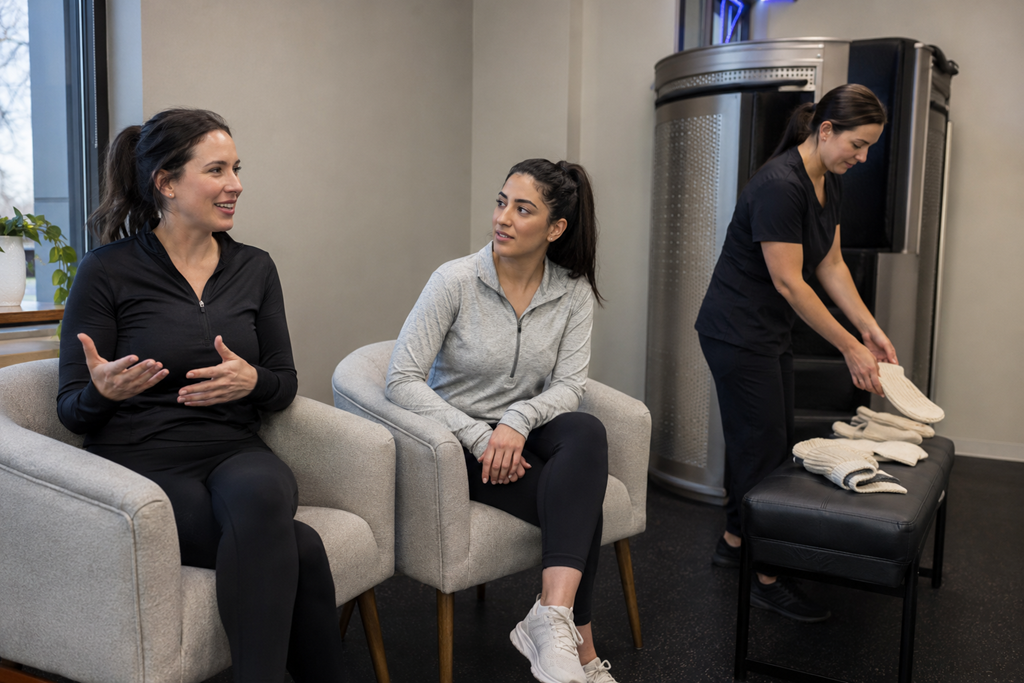
Cryotherapy may offer benefits for some people, but a possible benefit is not the same as a promised result. A responsible provider should be able to explain what clients sometimes experience, what remains uncertain, and why the outcome may differ from one person to another.
This distinction can be difficult to maintain when service descriptions use phrases such as “supports recovery,” “may reduce soreness,” or “helps you feel refreshed.” These statements can sound more certain than they really are, especially when you are hoping the service will address a specific concern.
Before scheduling cryotherapy with a Sacramento-area provider, focus less on whether a benefit is mentioned and more on how carefully that benefit is explained.
A Possible Benefit Does Not Predict Your Personal Result
A possible benefit means that some people may experience a particular change under certain circumstances. It does not mean everyone will experience that change, that the change will be noticeable, or that it will last.
People may approach cryotherapy with very different goals. One person may be interested in temporary relief from post-exercise soreness. Another may be curious about general recovery, relaxation, or how the cold exposure feels. Someone else may have heard broader claims involving pain, inflammation, sleep, mood, weight, or medical conditions.
Those goals should not automatically be treated as equally supported or equally appropriate.
Research has produced mixed findings. Some studies have reported short-term changes in soreness, perceived recovery, or pain sensitivity, while others have found limited or no meaningful improvement in objective recovery measurements. Differences in the participants, cryotherapy method, exposure protocol, physical activity, and outcome being measured can all affect the findings.
The practical takeaway is not that cryotherapy can never help. It is that the available information does not allow a provider to know in advance exactly how you will respond.
“Cryotherapy” Can Refer To Different Services
It is also important to understand what kind of cryotherapy a provider is discussing.
Cryotherapy is a broad term for the therapeutic use of cold. It can include simple ice applications, localized cooling devices, water-circulating systems, partial-body chambers, and whole-body cryotherapy. These services use different equipment, temperatures, exposure areas, and procedures.
A claim associated with one type of cold therapy should not automatically be applied to another.
The FDA specifically distinguishes whole-body cryotherapy from other cold-therapy methods and states that its healing benefits remain unconfirmed.
When comparing local providers, ask for the exact name of the service rather than relying only on the word “cryotherapy.” This makes it easier to understand what is actually being offered and whether the provider’s explanation matches that particular service.
Personal Stories Can Be Helpful Without Being Proof
Testimonials often describe people feeling less sore, more energetic, relaxed, or ready to return to activity. Those experiences may be genuine, but they do not establish what another client should expect.
A personal story usually leaves out many details that could have influenced the result, including:
- The person’s health and activity level
- Why the person used cryotherapy
- What other recovery methods were used
- Whether the change was temporary
- How the improvement was measured
- Whether the person would have felt better without the session
Testimonials are most useful for understanding what the appointment or environment may feel like. They are less useful for predicting a medical, performance, or wellness outcome.
Be especially cautious when dramatic individual experiences are presented as though they represent the normal result.
A Useful Expectation Is Specific And Limited
“Cryotherapy will improve my recovery” is a broad expectation. It does not explain what improvement would look like, how quickly it might appear, or how you would recognize it.
A more useful expectation might be:
“I am interested in whether I feel less sore during the day following a demanding workout.”
That expectation is limited, observable, and connected to a particular reason for trying the service. It also leaves room for the possibility that no noticeable difference will occur.
The same approach can help with other goals. Rather than expecting a broad transformation, identify the specific experience you hope might change.
You can then ask the provider whether that goal is reasonable to discuss, how other clients commonly describe the experience, and where uncertainty remains.
Good Providers Explain The Limits Of Their Claims
A careful provider does not need to dismiss every possible benefit. They should, however, separate established information from emerging evidence, personal reports, and promotional language.
Clear communication may include statements such as:
- Results vary from person to person.
- The service is not a substitute for medical evaluation or treatment.
- Some effects, when experienced, may be temporary.
- A particular outcome cannot be promised.
- The service may not be appropriate for everyone.
- The provider cannot diagnose the cause of a symptom.
- A health care professional should be consulted about personal medical concerns.
This type of language is not a sign that the provider lacks confidence. It may indicate that the provider understands the limits of the service and is avoiding claims that cannot be supported.
Questions That Keep The Conversation Realistic
A few direct questions can reveal whether a provider discusses possible benefits responsibly:
- What specific type of cryotherapy do you provide?
- What outcome is this service reasonably intended to support?
- Which benefits are based on research, and which are based mostly on client reports?
- How long might any noticeable effect last?
- How would I know whether the service is helping with my goal?
- What should I expect if I notice no benefit?
- Are there claims you intentionally do not make?
- Who should speak with a medical professional before participating?
The goal is not to pressure the provider into guaranteeing an answer. It is to see whether they can discuss both possibility and uncertainty without becoming vague or promotional.
Watch For Claims That Remove All Uncertainty
Benefit discussions become concerning when a provider presents the service as certain to work, minimizes personal differences, or connects cryotherapy to a long list of unrelated outcomes without explaining the evidence behind them.
Other warning signs may include:
- Guaranteed improvement
- Claims that everyone responds positively
- Dramatic medical or weight-loss promises
- Pressure to purchase a large package before trying the service
- Dismissal of questions about risks or suitability
- Reliance entirely on testimonials
- Suggestions that cryotherapy can replace professional medical care
A provider should also be willing to discuss preparation, protective equipment, stopping procedures, possible reactions, and situations in which the service may not be appropriate. Benefits should never be discussed separately from safety and personal suitability.
Not Noticing A Benefit Does Not Mean You Did Something Wrong
People sometimes assume that a lack of noticeable improvement means they chose the wrong session length, failed to relax, or need to purchase more sessions.
That conclusion should not be automatic.
A person may simply not respond in the hoped-for way. The original expectation may have been too broad, the outcome may be difficult to measure, or cryotherapy may not be useful for that particular goal.
Before committing to repeated sessions, consider what you are actually noticing rather than what you expected to notice. A qualified provider should be comfortable discussing whether continuing makes sense without blaming you for an uncertain result.
Make The Decision Based On Communication, Not Promises
Understanding cryotherapy benefits requires room for both possibility and uncertainty.
Some people may report a useful short-term experience. Others may notice little change. Neither experience allows a provider to guarantee what will happen for you.
When comparing Sacramento-area cryotherapy services, look for a provider who defines the service clearly, keeps benefit claims appropriately limited, asks about your reasons for considering it, discusses suitability and risks, and respects your decision without pressure.
A realistic conversation may feel less exciting than a dramatic promise, but it gives you better information for deciding whether the service is worth discussing, trying, or declining.