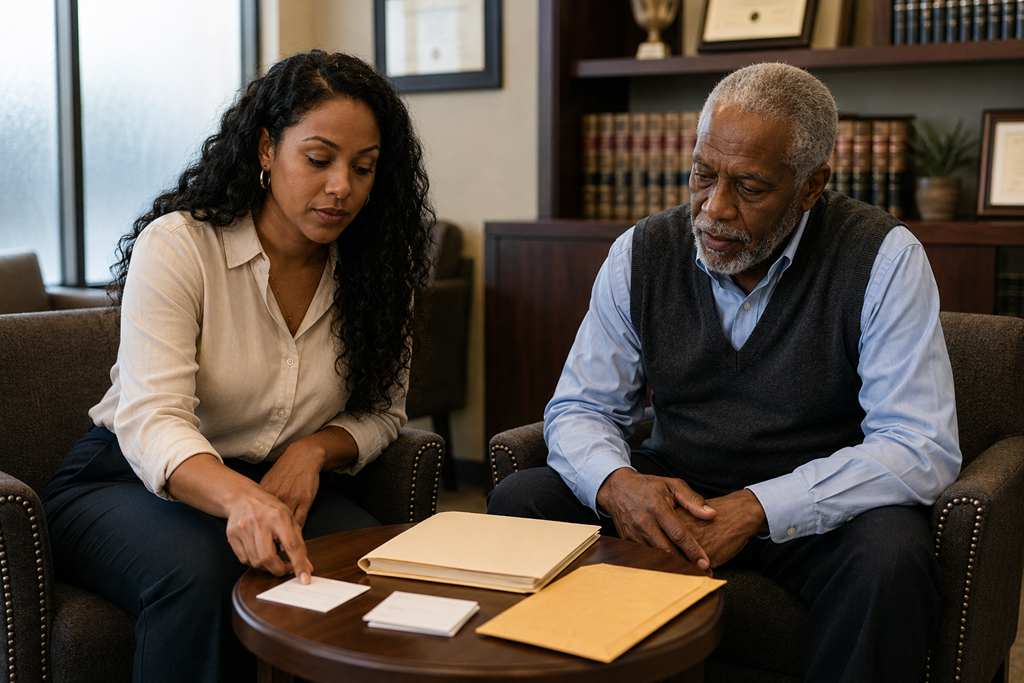
For many Sacramento families, discussing immigration legal help is not just about finding a lawyer. It is often about understanding what questions to ask, what information to gather, and how to approach a sensitive situation without rushing into decisions before the full picture is clear.
Immigration matters can involve family relationships, past applications, notices, deadlines, travel history, work history, sponsorship questions, or concerns about what may happen next. Because every situation can depend on personal facts, families should treat an immigration consultation as a chance to get situation-specific guidance from a qualified immigration lawyer, not as a place to rely only on general assumptions or advice from friends.
Why Immigration Legal Help Can Feel Hard To Talk About
Immigration questions often carry more weight than ordinary paperwork decisions. A family member may be worried about saying the wrong thing. Someone else may feel unsure which details matter. Another person may want answers quickly, while others may feel nervous about what a lawyer might say.
That mix can make the conversation feel confusing before it even begins.
In Sacramento-area families, these discussions may happen around a kitchen table, during a quiet phone call, or after someone receives a letter they do not fully understand. The issue may not feel like a “legal matter” at first. It may simply feel like a family problem that has become too complicated to sort out alone.
General Information Is Not The Same As Personal Guidance
One common misunderstanding is thinking that immigration information found online applies the same way to every person. General information can help someone learn basic terms or understand broad categories, but it cannot fully account for a person’s history, documents, prior filings, family situation, or possible complications.
That is why a conversation with an immigration lawyer often starts with facts, not conclusions.
Before discussing legal help, families may benefit from separating what they know from what they are assuming. For example, there may be a difference between “we received a notice” and “we think this means the case is denied.” There may also be a difference between “someone told us this process is simple” and “a lawyer reviewed our actual situation.”
This distinction matters because decisions made from assumptions can create confusion, delay, or misplaced confidence.
The First Conversation Should Be About Understanding The Situation
Families sometimes approach immigration legal help expecting an immediate answer: Can this be fixed? How long will it take? What form is needed? What will happen next?
Those questions are understandable. But a useful legal conversation often begins one step earlier: What exactly is the situation?
That may include understanding who is involved, what documents already exist, what has been filed before, whether any notices have been received, and what the family is trying to accomplish. A lawyer may need those details before explaining options or concerns.
This does not mean the family needs to have everything perfectly organized before reaching out. It does mean that the conversation can be more productive when people avoid guessing and bring as much accurate information as they reasonably can.
What Families May Want To Gather Before A Consultation
A full checklist is not always necessary, but a few basic items can help a family explain the issue more clearly.
Useful preparation may include:
- Immigration notices, letters, receipts, or prior paperwork
- Names and relationships of the people involved
- Important dates or approximate timelines, when known
- Copies of past applications or petitions, if available
- Questions the family wants answered
- Notes about concerns, confusion, or unclear advice already received
The goal is not to diagnose the legal issue alone. The goal is to help the lawyer understand the facts more efficiently.
For Sacramento families comparing local immigration lawyers, this preparation can also make it easier to notice whether a consultation feels organized, respectful, and focused on the actual situation rather than vague promises.
Why Family Conversations Should Avoid Pressure
Immigration concerns can create urgency, but family pressure can make communication harder. One person may want to act immediately. Another may be afraid to share details. Someone else may be relying on advice from a relative, friend, online post, or past experience that may not apply.
When families talk before contacting a lawyer, it helps to focus on gathering facts rather than assigning blame or forcing conclusions.
A more useful conversation may sound like:
- “What paperwork do we already have?”
- “What have we been told, and by whom?”
- “What are we unsure about?”
- “What do we need a lawyer to explain?”
- “Are there any past filings or notices we should mention?”
These questions help move the conversation from emotion to preparation without pretending the issue is simple.
Red Flags To Notice When Discussing Legal Help
Families should be cautious when anyone offers broad promises before reviewing the details. Immigration matters are fact-specific, and no responsible professional should guarantee an outcome without understanding the situation.
Potential warning signs may include:
- Promises that sound too certain
- Pressure to move forward before questions are answered
- Unclear explanations of fees or services
- Dismissal of important facts or prior immigration history
- Advice based only on what happened to someone else
- Confusion about who is providing legal services
These signs do not automatically prove something is wrong, but they are worth pausing over. A family should feel able to ask questions and understand what kind of help is being offered before committing.
Choosing Help Is Also About Communication
When discussing immigration legal help, families often focus only on whether a lawyer has experience with a certain type of matter. Experience matters, but communication also matters.
A helpful consultation should give the family a better sense of what is known, what is uncertain, what information is still needed, and what the next conversation may involve. The lawyer may not be able to answer every question immediately, especially if documents need review, but the family should leave with a clearer understanding of the process.
For Sacramento-area residents, this can make the difference between feeling rushed into a decision and feeling more prepared to compare options thoughtfully.
A Better Starting Point For A Difficult Conversation
Before discussing immigration legal help, Sacramento families do not need to solve the legal issue themselves. They need to slow down enough to gather the facts, identify the questions, and recognize where general information stops being enough.
The most useful first step is not guessing what the answer will be. It is preparing to explain the situation clearly to a qualified immigration lawyer who can review the specific facts and provide guidance based on the family’s circumstances.
That approach can help families move from confusion toward a more informed conversation before choosing legal help.