After an accident, Sacramento residents should understand that the situation may involve more than the moment itself. There may be health concerns, insurance questions, repair issues, missed work, documentation, and uncertainty about what to say or do next.
The most useful first step is not to guess, rush, or assume everything will stay simple. It is to slow the situation down enough to understand what happened, what has changed, what records may matter, and whether it would be helpful to speak with a qualified personal injury lawyer about the specific circumstances.
This article is educational only and does not provide legal advice. Accident situations can vary, so personal questions should be discussed with a qualified legal professional.
The Aftermath Can Feel Messier Than Expected
Many people expect an accident to have a clear sequence: the incident happens, information gets exchanged, insurance gets contacted, and the issue gets resolved.
In real life, it often feels less tidy.
A person may feel fine at first, then notice soreness later. A vehicle may look drivable, then need more repairs than expected. An insurance conversation may seem simple, then become confusing. A missed appointment, lost receipt, unclear statement, or forgotten detail can suddenly feel more important than it seemed at the time.
For Sacramento residents dealing with a crash, fall, pedestrian incident, bicycle accident, rideshare-related issue, or another injury-related situation, the main challenge is often not knowing which details matter yet.
That uncertainty is normal.
An Accident Can Create Several Separate Problems At Once
One reason accidents feel stressful is that they rarely create only one problem.
There may be practical concerns, such as transportation, repairs, childcare, missed work, or getting to appointments. There may be physical concerns, such as pain, stiffness, bruising, headaches, or changes in daily movement. There may also be communication concerns, especially when insurance companies, property owners, employers, repair shops, medical offices, or other parties become involved.
These pieces can overlap, but they are not all the same.
For example, getting a vehicle repaired is different from understanding an injury claim. Talking to an insurance adjuster is different from getting legal advice. Saving receipts is different from knowing whether a cost may matter. Seeing a doctor is different from understanding how medical records may be reviewed later.
Recognizing those differences can help a person avoid treating the whole situation like one simple errand.
Early Details May Matter More Than They Seem
After an accident, details can fade quickly.
That does not mean every small detail will become important. It means that people often do not know in the beginning which details may become useful later.
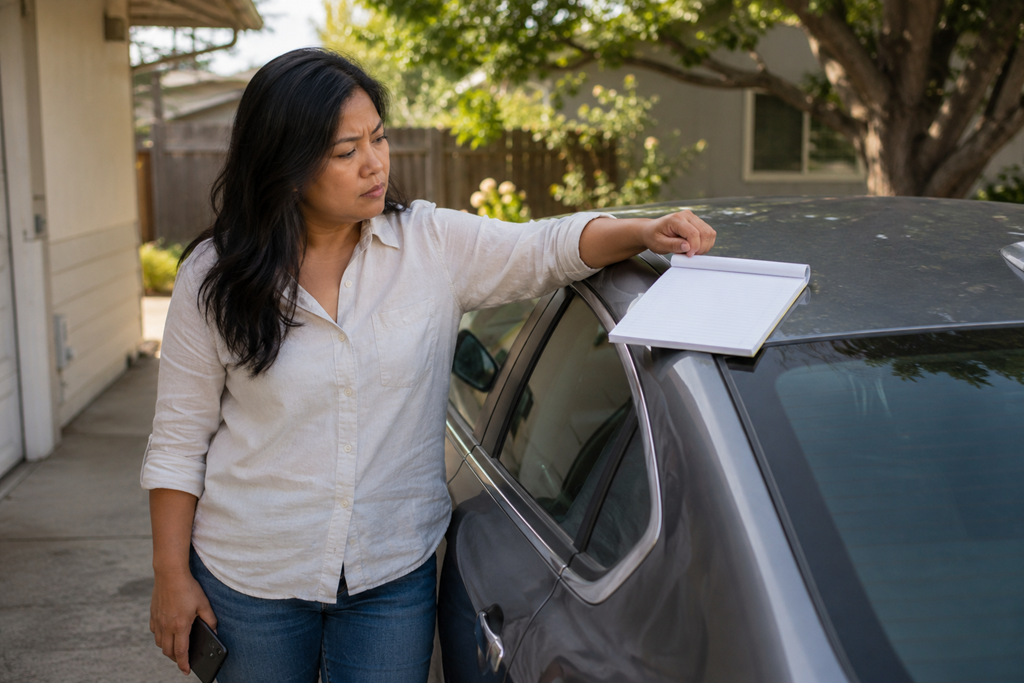
Basic information may include where the accident happened, who was involved, what was said, what damage was visible, what symptoms appeared, what appointments were scheduled, and what expenses came up afterward. Photos, receipts, appointment notes, repair estimates, and written observations may help create a clearer picture of what changed after the incident.
This is not about building a case on your own or trying to make assumptions about the outcome. It is about staying organized so that if you speak with a qualified legal professional, insurance representative, or provider later, you are not relying only on memory.
Insurance Conversations Can Sound Routine But Still Deserve Care
Insurance communication can feel casual, especially when someone is simply trying to report what happened.
That can make people lower their guard.
A common misunderstanding is assuming every insurance conversation is only administrative. Some conversations may be routine, but others may involve statements, interpretations, timelines, fault questions, injury descriptions, or settlement-related issues.
Sacramento residents do not need to panic about insurance calls, but they should understand that words can matter. If a question feels unclear, if a statement feels too broad, or if the person does not yet understand the full situation, it may be worth pausing and asking for clarification before answering.
A qualified personal injury lawyer can help explain what kinds of communication may deserve extra care in a specific situation.
Symptoms And Disruptions Are Easy To Downplay
Many people minimize how an accident affects them, especially if they are used to staying busy.
They may say they are fine because they can still work, drive, walk, or handle daily responsibilities. They may ignore stiffness, headaches, sleep disruption, soreness, anxiety while driving, or trouble completing normal routines.
From a practical standpoint, it can help to pay attention to changes without exaggerating them. A short written note about what feels different, when symptoms appeared, or how daily activities changed may be more reliable than trying to remember later.
Medical concerns should always be discussed with a qualified healthcare provider. Legal questions about how those concerns may relate to an accident should be discussed with a qualified legal professional.
The Biggest Mistake Is Assuming Too Early
One of the most common patterns after an accident is assuming the situation is simpler than it is.
People may assume the damage is minor, the soreness will disappear, the insurance process will be straightforward, or the other party’s version of events will match their own. They may also assume they do not need advice because they do not want to seem difficult or because they believe asking questions means they are escalating the situation.
Asking questions does not mean making a claim bigger than it is. It means understanding the decision before making it.
A consultation with a personal injury lawyer may help a Sacramento resident understand what information matters, what questions to be careful with, and whether there are issues they have not considered.
What To Ask Before Deciding What Comes Next
If you are unsure whether to speak with a personal injury lawyer, a few practical questions can help you think more clearly:
- Do I understand what information I have already provided to insurance?
- Have I saved documents, receipts, photos, estimates, and appointment information?
- Are there symptoms or daily disruptions I have not written down?
- Do I feel pressured to make a decision before I understand the situation?
- Has anyone given me an explanation that feels incomplete or unclear?
- Would professional guidance help me understand my options before I respond further?
These questions do not replace legal advice. They simply help organize the issue before a conversation.
A Better Understanding Can Reduce Rushed Decisions
After an accident, the goal is not to become an expert in injury claims, insurance communication, or legal process. Most people simply need enough understanding to avoid rushed assumptions.
For Sacramento residents, that means recognizing that the accident itself is only the beginning of the practical decision-making process. Documentation, symptoms, communication, expenses, and professional guidance may all play a role.
When the situation feels unclear, speaking with a qualified personal injury lawyer can help you understand the specific issues involved before making decisions that may be difficult to revisit later.
The most important takeaway is simple: after an accident, do not rely only on memory, pressure, or guesswork. Stay organized, ask careful questions, and get qualified guidance when the situation calls for it.