Before calling a mobile mechanic, take a few minutes to notice what the vehicle is doing, where it is parked, whether it is safe to drive, and what information the mechanic may need before deciding whether the issue can be handled on-site. You do not need to diagnose the problem. The goal is simply to describe the situation clearly enough so the appointment starts with better expectations.
For Sacramento-area drivers, a vehicle problem can disrupt an ordinary day quickly. A car may hesitate before starting, make a new sound, leak fluid, show a warning light, or refuse to move from a driveway, parking lot, or workplace. When that happens, it is easy to jump straight into calling for help without pausing to gather basic details.
That pause matters. The more clearly you can describe the problem, the easier it is to ask useful questions, compare service options, and understand whether a mobile mechanic visit is the right next step.
Start With What Changed
The most useful thing to notice is what changed from normal. Did the vehicle fail to start completely, or does it start and then stall? Did the sound appear suddenly, or has it been getting louder over time? Did the problem happen after driving, after sitting overnight, after refueling, or after a previous repair?
You do not need technical language. Simple observations are often more helpful than guesses. “The car clicks but does not start” is clearer than “I think it is the starter.” “There is a small dark spot under the front passenger side” is more useful than trying to name the fluid.
A mobile mechanic is usually trying to understand the situation before arriving. Clear details help them decide what tools, parts, testing, or follow-up questions may be needed.
Notice Whether The Vehicle Is Safe To Move
Before scheduling, think about whether the vehicle is safe to drive, should stay parked, or may need towing instead. Mobile mechanic service can be convenient, but not every vehicle problem should be handled by driving the car “just a little farther.”
If the vehicle has severe steering trouble, brake concerns, heavy leaking, overheating, smoke, strong fuel smells, or a sudden major loss of power, it may not be wise to drive it until a qualified professional evaluates the situation. In those cases, the better question may be whether a mobile mechanic can come to the vehicle’s current location or whether towing should be discussed.
This is not about creating fear. It is about avoiding a rushed decision when the vehicle is already giving signs that something may be unsafe or worsening.
Think About The Vehicle’s Location
Mobile mechanic service depends partly on where the vehicle is parked. A car in a private driveway is different from a car in a tight parking garage, a busy street, an apartment lot, or a workplace space with limited access.
Before calling, look at the area around the vehicle. Is there enough room for someone to work safely? Is the vehicle on a flat surface? Is it in a place where service is allowed? Is there lighting, shade, or access if the appointment happens later in the day? Is the car blocked in by another vehicle?
These details can affect whether the visit is practical, how long the appointment may take, and whether the mechanic can safely inspect the issue on-site.
Gather Basic Vehicle Information
A mobile mechanic will usually need basic vehicle information before discussing the visit. That may include the vehicle’s year, make, model, engine type if known, mileage range, and a plain description of the issue.
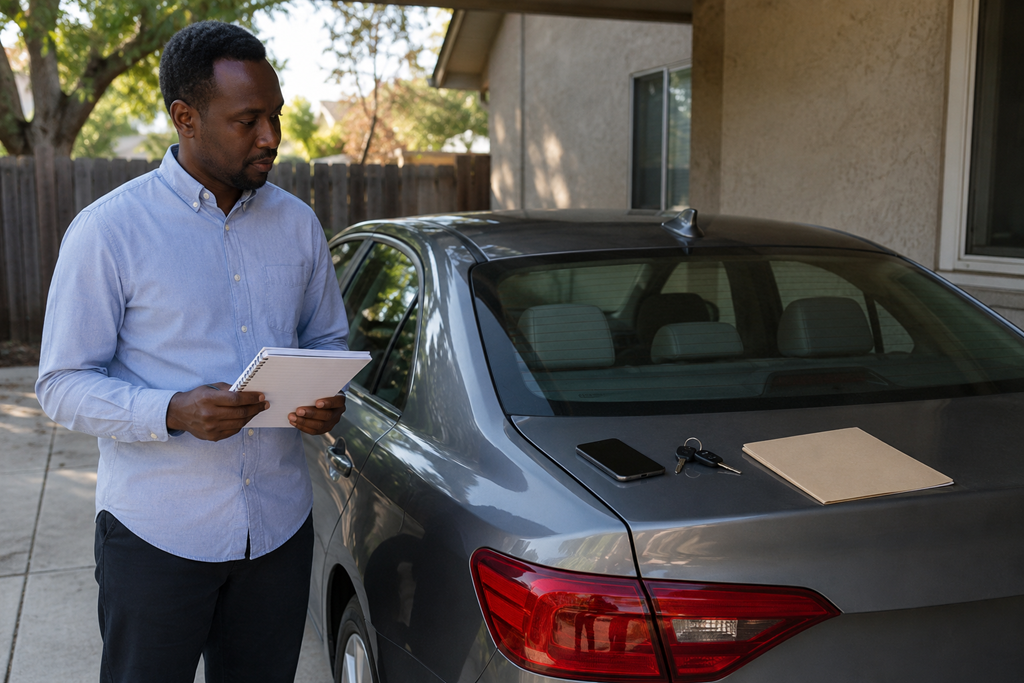
It can also help to know whether the vehicle has had recent repairs, a recent battery replacement, recent fluid service, new sounds, warning lights, or repeated symptoms. If you have repair paperwork, receipts, or notes, keep them nearby. You do not need to read every detail over the phone, but having them available can make the conversation easier.
For many drivers, the mistake is trying to sound mechanically knowledgeable. It is better to be accurate than impressive. A clear timeline and simple description are often enough to begin the conversation.
Avoid Turning A Symptom Into A Diagnosis Too Soon
One common misunderstanding is assuming the first likely explanation must be the real problem. A car that will not start may involve the battery, starter, alternator, wiring, fuel delivery, a security issue, or something else. A noise may come from several areas. A warning light may require testing before anyone can say what is actually wrong.
This is why it helps to describe symptoms instead of insisting on a specific repair. If you call and say, “I need a new alternator,” the conversation may narrow too quickly. If you say, “The battery was replaced recently, but the car still loses power after sitting,” the mechanic has more context.
A good service conversation should leave room for inspection, testing, and a clear explanation before repair decisions are made.
Ask What Can Be Done On-Site
Mobile mechanics can be useful because they come to the vehicle, but that does not mean every repair can or should be completed wherever the car is parked. Some issues require special equipment, lift access, extended diagnostic time, parts availability, or a shop setting.
Before scheduling, ask what the visit is expected to include. Is it an inspection, a diagnostic appointment, a repair visit, or a combination? Are parts being brought in advance, or will the mechanic need to inspect first? What happens if the issue cannot be completed on-site?
These questions help Sacramento drivers avoid assuming that a mobile appointment automatically means the entire repair will be finished in one visit.
Listen For Clear Communication
Before hiring any local service provider, pay attention to how clearly the process is explained. A helpful mobile mechanic should be able to describe what information they need, what the visit may cover, what is not yet known, and how they handle unexpected findings.
Be cautious with vague promises, pressure to approve work before inspection, unclear pricing language, or unwillingness to explain what will happen during the appointment. Not every unknown detail is a red flag, because vehicles often need testing before answers are clear. The issue is whether the uncertainty is explained honestly.
Clear communication does not guarantee a simple repair, but it can help you feel more oriented before committing to a visit.
A Few Useful Questions Before Scheduling
When the conversation starts to feel unclear, a few practical questions can help:
What information do you need before deciding whether this can be handled on-site?
Will this appointment be for diagnosis, repair, or both?
What happens if the vehicle needs shop equipment or towing?
How do you explain findings before additional work is approved?
Are there access, parking, or safety conditions that would prevent service at my location?
These questions keep the focus on expectations, not pressure. They also help you compare providers more fairly when one person gives a clear process and another gives only a vague answer.
The Main Thing To Remember Before You Call
You do not need to solve the vehicle problem before calling a mobile mechanic. You only need to observe the situation carefully, gather the basic details, and ask questions that clarify what the appointment can realistically cover.
For Sacramento-area drivers, that small amount of preparation can make the service conversation easier. It helps you describe the issue, understand whether mobile service fits the situation, and make a more informed decision before scheduling a local pro.