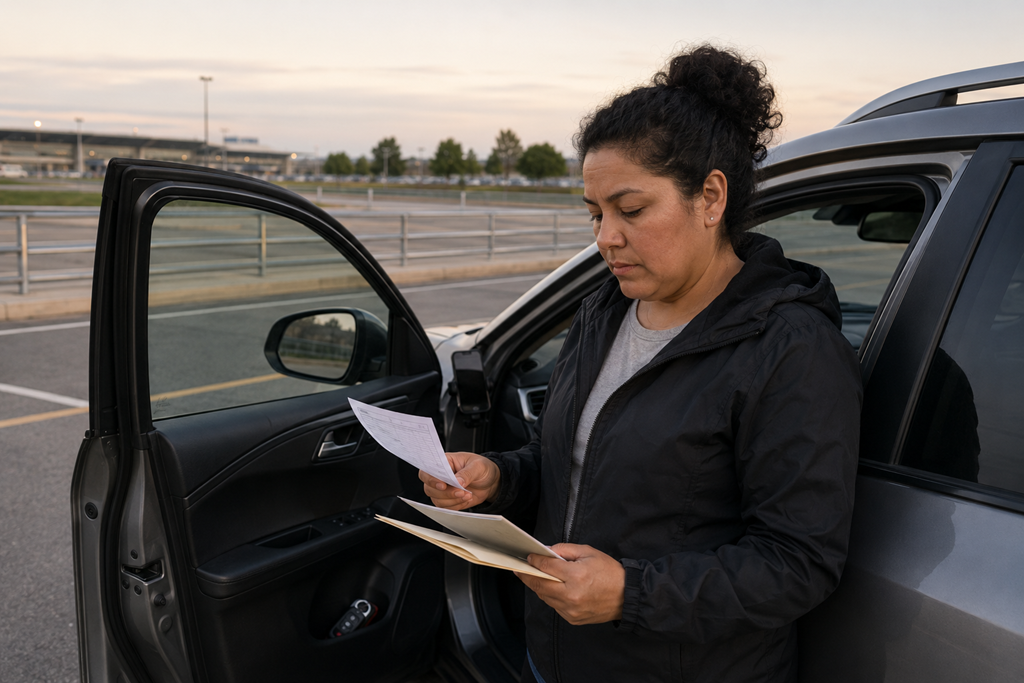
A traffic ticket may appear to be a simple matter because the paper identifies an alleged violation, provides response information, and may show an amount to pay. However, the amount listed on the citation is not always the only issue worth considering.
A ticket can also raise questions about your driving record, license, insurance, employment, response options, or ability to contest what happened. The significance depends on the alleged violation and the driver’s individual circumstances.
Before treating the ticket as a routine expense, it helps to understand exactly what was issued, what response is required, and whether resolving it in the easiest-looking way could have consequences you have not considered.
A Straightforward-Looking Citation Can Contain Several Decisions
Receiving a ticket often creates an understandable desire to finish the matter quickly. You may glance at the alleged violation, notice the payment information, and assume that paying the amount will put everything behind you.
That reaction is common because the citation itself can make the situation look transactional: an allegation was made, an amount may be due, and a response date appears on the paperwork.
But those details may represent different parts of the process rather than one simple decision.
The alleged violation describes what the officer believes occurred. The response information explains what you are expected to do next. The available options may determine whether you accept the allegation, seek another resolution, or challenge it.
Understanding those distinctions can help prevent a rushed response based only on the most visible number on the page.
The Fine May Not Be the Only Practical Consequence
The cost printed on a citation is easy to focus on because it is immediate and measurable. Other possible effects may be less obvious.
Depending on the situation, a ticket could become relevant to:
- Your driving record
- Your insurance situation
- Your driver’s license
- Your eligibility for certain response options
- Employment that involves driving
- A commercial driving responsibility
- Other unresolved citations or driving matters
Not every ticket creates serious additional consequences. The important point is that two people receiving similar-looking citations may face different practical concerns.
For example, an occasional driver with no employment-related driving responsibilities may evaluate a ticket differently from someone who drives a company vehicle, makes deliveries, transports clients, or holds a commercial license.
That is why the question is not only, “How much is the ticket?” It is also, “What could this response mean in my particular situation?”
Small Details on the Citation May Matter
Drivers sometimes look only at the general description of the alleged violation. Other information on the citation may deserve attention as well.
The specific allegation, location, response instructions, court information, identifying details, and circumstances surrounding the stop can all help explain what kind of matter you are dealing with.
It is also worth checking the citation for basic accuracy. A minor error does not automatically make a ticket invalid, and it should not be treated as a guaranteed defense. However, unclear or incorrect information may be something to raise when discussing the matter with a qualified legal professional.
The goal is not to search the document for a technical escape. It is to understand what the citation actually says before deciding how to respond.
What Was Said During the Stop May Not Tell the Whole Story
A driver may leave a traffic stop relying heavily on a brief comment made by the officer.
You might remember being told that the ticket was minor, that the process would be easy, or that you could simply handle it later. Those comments may have been intended as a general explanation, but they are not a substitute for reviewing the citation and understanding your options.
Traffic stops are often brief and stressful. Drivers may also remember only part of the conversation or misunderstand what was being explained.
The written citation and the formal response process should therefore receive more attention than an informal impression formed at the roadside.
A Clean Driving History Does Not Make Every Ticket Irrelevant
Some drivers assume that one citation cannot matter because they have never received a ticket before. Others believe that a prior ticket automatically leaves them with no useful options.
Neither assumption provides a complete picture.
Driving history may be one factor in how a person evaluates the situation, but it does not answer every question. The nature of the alleged violation, the available response choices, eligibility requirements, and the driver’s broader circumstances may all be relevant.
A previously clean record can still be worth protecting. A driver with prior issues may still benefit from understanding the present citation rather than assuming the outcome is already decided.
Paying Quickly and Responding Carefully Are Not the Same Thing
Handling a ticket promptly can be responsible. Handling it without understanding the response can be different.
Before submitting a payment or choosing another response, make sure you understand what that action represents. In some situations, a response may affect whether other options remain available.
This does not mean every ticket requires a lengthy dispute or legal representation. Many citations are resolved without complicated proceedings. It simply means that convenience should not replace an informed decision.
Taking a little time to clarify the situation may help you avoid learning about an important consequence only after your response has already been submitted.
Questions Worth Clarifying Before You Respond
You do not need to become an expert in traffic law. A few focused questions can help you determine whether the matter is as simple as it first appears:
- What specific violation is alleged?
- What response is required, and when is it required?
- What does each available response option mean?
- Could the citation affect my license, record, insurance, or employment?
- Are there personal circumstances that make this ticket more significant?
- Is there anything about the stop or citation that I do not understand?
- Would a qualified traffic ticket defense professional help me evaluate the situation?
These questions are not about making the ticket seem more serious than it is. They are about determining its actual importance before choosing a response.
General Online Advice May Not Fit Your Situation
Online discussions about traffic tickets often present one person’s experience as though it applies to everyone.
A driver may claim that a particular ticket is always easy to dismiss, that paying is always the best option, or that a certain error automatically eliminates the citation. Those statements may leave out important facts about the person’s location, driving history, alleged violation, or court process.
General information can help you identify questions, but it cannot account for every individual circumstance.
For Sacramento-area drivers, a qualified legal professional familiar with traffic matters can explain how the citation and available choices may apply to the specific situation. That conversation should be educational and realistic rather than based on promised results.
When a Professional Review May Be Worth Considering
Not every citation requires legal assistance. A consultation may be more useful when the potential consequences are unclear or extend beyond the immediate payment.
Professional guidance may be worth discussing when:
- You dispute what the citation alleges
- You do not understand the violation or response options
- Your license or ability to drive may be important to your work
- You hold a commercial license
- The citation followed an accident or another complicated event
- You have previous unresolved driving matters
- You may have missed a response requirement
- You are concerned about consequences beyond the fine
A traffic ticket defense professional cannot guarantee a particular result. Their role is to help you understand the allegation, the process, the available choices, and the potential tradeoffs involved.
The Better Question Is Whether the Ticket Is Simple for You
A traffic ticket should not be assumed to be complicated, but it should not automatically be assumed to be simple either.
The amount shown on the paper is only one part of the situation. The alleged violation, response requirements, driving history, work responsibilities, and possible effects on your record may all influence what the ticket means.
Before responding, take enough time to understand what was issued and what your chosen response may do. That small pause can help you make a more informed decision rather than treating a legal matter as nothing more than another bill.
This article provides general educational information and is not legal advice. A qualified legal professional can provide guidance based on the facts of your specific situation.