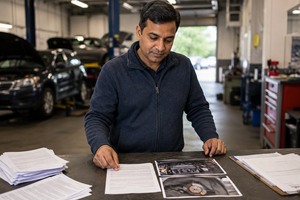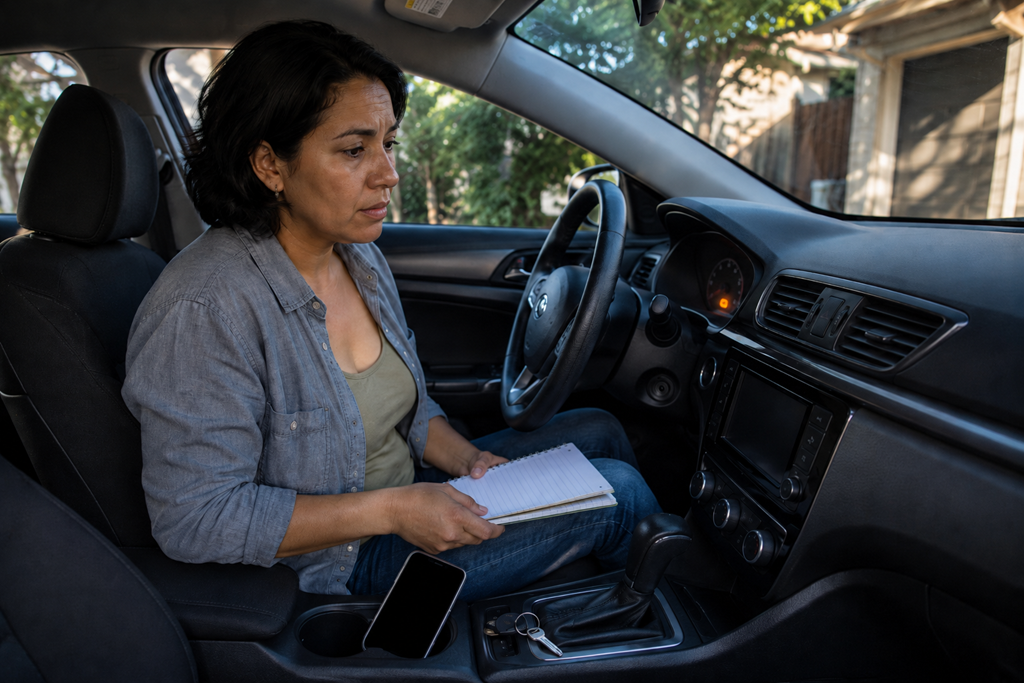
When a warning light comes on, the first thing to know is that the light is a signal, not a complete diagnosis. It means the vehicle has detected something worth attention, but the light alone usually does not explain the full cause, repair cost, or urgency.
For Sacramento-area drivers, this moment can feel frustrating because it often happens at the worst time: on the way to work, before school drop-off, while running errands, or after the car seemed completely normal. A warning light can make a simple drive feel uncertain, especially when the vehicle still seems to run fine.
The useful next step is not to panic or guess. It is to notice what is happening, avoid assumptions, and be ready to explain the situation clearly when speaking with a mobile mechanic or other qualified auto professional.
The Light Is Only One Piece Of The Story
Many drivers understandably want the warning light to give a simple answer. A dashboard light feels specific, so it is easy to assume it points to one clear problem. In reality, the same light can be connected to different causes.
A check engine light, for example, may be tied to something minor, something that needs timely attention, or something that requires deeper diagnostic testing. Other warning lights may relate to braking systems, tire pressure, battery charging, temperature, oil pressure, or safety features. Some are more serious than others, and some depend heavily on what else is happening with the vehicle.
That is why the light should be treated as a starting point. It tells you there is a condition worth checking, but it does not replace a professional evaluation.
What You Notice Before Calling Can Help
Before contacting a mobile mechanic, it helps to think about what changed around the same time the light appeared. You do not need to diagnose the vehicle yourself. The goal is simply to describe the situation better.
Helpful details may include whether the light is steady or flashing, whether the vehicle feels different, whether there are unusual sounds or smells, and whether the light appeared after fueling, after sitting for a while, after a recent repair, or during a specific type of driving.
This kind of information can help a mobile mechanic understand the context before the appointment. It may also help them decide what tools, diagnostic equipment, or inspection approach may be appropriate.
The key difference is this: you are not trying to solve the problem before calling. You are trying to make the conversation more useful.
Not Every Warning Light Means The Same Level Of Concern
One common misunderstanding is treating every warning light the same way. Some lights are reminders or alerts that should be checked soon. Others may point to conditions that can become more serious if ignored. A flashing light, a temperature warning, an oil pressure warning, braking concerns, loss of power, smoke, burning smells, or major changes in how the car drives should be handled with more caution.
If the vehicle feels unsafe, the safest choice is to avoid pushing it further and speak with a qualified professional or roadside assistance provider. A mobile mechanic may be able to inspect many warning light concerns where the vehicle is parked, but not every situation is appropriate for continued driving or a driveway repair.
The important point is to avoid guessing based only on how the car “seems.” A vehicle can sometimes feel normal even when a warning light is pointing to a real issue.
Why Waiting Can Make The Decision Harder
A warning light is easy to put off when the car still starts, drives, and gets you where you need to go. That is one reason these issues become confusing. The vehicle may not feel broken, so the light starts to seem less important.
The problem with waiting is not that every light means a major repair. The problem is that waiting removes useful context. You may forget when the light first appeared, what conditions were happening, or whether any small symptoms showed up at the same time.
By the time the issue gets worse, the repair conversation may become more rushed. Sacramento drivers who rely on their vehicles for commuting, caregiving, errands, or small business needs often benefit from getting a clearer read before the situation disrupts the day.
A Mobile Mechanic Conversation Should Be Specific
When calling or messaging a mobile mechanic, the most useful conversation is usually specific, not dramatic. Instead of saying only, “My warning light is on,” it helps to explain the light, what the vehicle is doing, and what you have noticed.
You might ask whether the mechanic can perform diagnostic testing where the car is parked, whether the warning light can be evaluated during a mobile visit, and whether the symptoms suggest the vehicle should stay parked until it is inspected.
It is also reasonable to ask what the appointment includes. Some visits may focus on scanning codes and inspecting related systems. Others may include repair options if the cause is clear and the work can safely be done on-site. Understanding that difference can help set better expectations before scheduling.
Clear Communication Helps Avoid The Wrong Assumptions
Warning lights can lead to rushed decisions because they create uncertainty. Some drivers assume the worst. Others assume it is nothing. Both reactions can make the next step less clear.
A better approach is to separate what you know from what you do not know. You may know that the light came on after fueling. You may know that the car shakes at stops. You may know that the light is steady and the vehicle feels normal. You may not know the cause yet, and that is exactly why a professional evaluation matters.
This mindset also helps when comparing local service providers. A good conversation should leave you with a clearer understanding of the diagnostic process, not just a vague promise that someone can “take a look.”
Questions Worth Asking Before Scheduling
A few simple questions can make the appointment easier to understand:
Can this type of warning light be checked during a mobile visit?
Does the vehicle need to stay parked based on the symptoms described?
What is included in the diagnostic appointment?
Will the mechanic explain the findings before recommending repairs?
Are there situations where the vehicle may need a shop instead of on-site service?
These questions do not turn the conversation into a technical inspection. They simply help you understand what to expect before choosing a local mobile mechanic.
A Warning Light Is A Reason To Get Oriented
When a dashboard warning light comes on, the goal is not to become an auto expert. The goal is to avoid ignoring the signal, avoid jumping to conclusions, and gather enough detail to have a useful conversation with a qualified professional.
For Sacramento-area drivers, a mobile mechanic may be a practical option when the vehicle is parked at home, work, or another safe location. The better you can describe the warning light and the surrounding symptoms, the easier it is to understand the next step.
A warning light does not always mean the same thing, but it does mean the vehicle is asking for attention. Treating it as a signal rather than a diagnosis can help you make a more informed decision before scheduling service.