Before talking with a lawyer about a DUI situation, gather the papers you received, write down what you remember, identify anything you are uncertain situation is affecting your ability to drive, work, or manage family responsibilities.
The goal is not to build your own legal argument or arrive with a perfectly organized case. It is to give the lawyer enough reliable information to understand what happened, identify the issues that may require attention, and explain what questions should be considered next.
For many people, the hardest part is that everything seems connected. The traffic stop, vehicle location, driver’s license, court paperwork, work schedule, and personal worries can blend into one stressful problem. Separating those pieces before the conversation can make the consultation more focused and useful.
Prepare for a Clear Conversation, Not a Perfect Explanation
You may feel pressure to remember every detail or explain the situation in exactly the right way. That is usually not realistic.
A more useful approach is to divide your information into three categories:
- What you clearly remember
- What you are unsure about
- What you learned from a document rather than your own memory
That distinction matters. Saying, “I do not remember exactly,” can be more helpful than filling in a gap with an assumption.
You also do not need to decide which details are legally important before the consultation. Something that seems minor to you may raise a question for the lawyer, while something that feels especially upsetting may not affect the legal analysis in the way you expect.
Your role is to provide accurate information. The lawyer’s role is to help evaluate it.
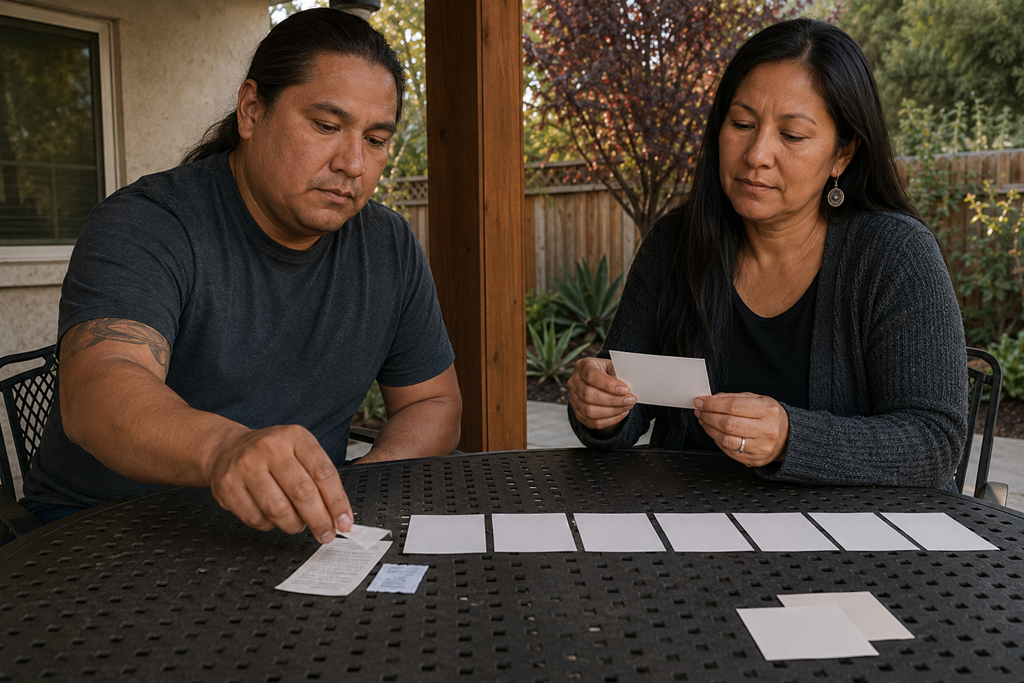
Gather Every Paper You Received
Start by collecting the original papers connected with the incident. Place them together without writing on them, highlighting them, or removing pages.
Depending on the circumstances, these could include:
- A citation or notice to appear
- A temporary driver’s-license document
- Court papers
- Release or booking documents
- Tow or impound paperwork
- Vehicle property receipts
- Insurance correspondence
- Testing-related documents
- Any later notices received by mail
Keep envelopes with the documents they contained. An envelope may help show when and how something arrived, even when the paper inside appears routine.
Do not assume that every document concerns the same process. In California, a DMV administrative action involving driving privileges is separate from the criminal court case. A result in one process does not automatically determine what happens in the other. s is one reason a smaller temporary-license notice may deserve separate attention from a more prominent court paper. A qualified DUI lawyer can help you identify what each document concerns and whether different response issues need to be discussed.
Write a Simple Timeline of What You Remember
A short timeline can help prevent important facts from becoming lost in a long, emotional retelling.
Begin with the period before the law-enforcement contact and continue through your release, transportation home, or recovery of the vehicle. Include approximate information when exact details are unavailable.
Useful points may include:
- Where you had been
- Where you were going
- Who was present
- When you last ate
- What you consumed
- When you began driving
- Where the vehicle was stopped
- What the officer asked or said
- What you remember saying
- Whether any tests were requested
- What happened to your license
- What happened to the vehicle
- How and when you left the location
Do not turn the timeline into a polished story. A few honest notes are usually more useful than a detailed narrative that mixes memory with later assumptions.
Mark uncertain details clearly. You might write “approximately,” “not sure,” or “need to verify” beside anything you cannot remember confidently.
Separate Your Memory From Other People’s Accounts
After a stressful event, friends, passengers, family members, and online discussions can influence how you remember what happened.
Keep your personal recollection separate from information someone else gave you. For example:
- “I remember the officer standing near the driver’s window.”
- “My passenger later said another officer arrived.”
- “The paperwork lists a time I did not personally notice.”
These are different types of information.
A lawyer may want to know what you personally observed, what another person may have witnessed, and what appears only in the documents. Keeping those categories separate can make the discussion more precise.
If another person was present, write down that person’s full name and reliable contact information. Avoid asking the person to change, coordinate, or improve their account.
Bring Driving and Vehicle Information
A DUI situation may create immediate practical concerns even before the court case is fully understood.
Collect any available information about:
- Your current driver’s license or temporary license
- Vehicle ownership
- Vehicle location
- Tow or storage arrangements
- Insurance coverage
- Whether someone else relies on the vehicle
- Whether driving is part of your work
California DMV guidance treats the administrative driving-privilege process as independent from the criminal charge. That makes it useful to identify driver’s-license documents separately rather than placing everything into one general court folder. do not need to determine what the DMV will do or what driving options may apply. Bring the information so the lawyer can explain which questions are relevant to your circumstances.
Note the Practical Problems You Need Help Understanding
Legal questions are only part of the conversation. A lawyer may also need to understand how the situation affects your daily responsibilities.
Write down practical concerns such as:
- Driving to work
- Using a company vehicle
- Maintaining a professional license
- Transporting children or dependent relatives
- Attending school
- Traveling for work
- Retrieving a vehicle
- Responding to an employer’s questions
- Managing more than one notice or scheduled appearance
These concerns do not determine the legal outcome, but they help explain what information you need from the consultation.
For example, someone who works remotely may have different immediate questions from a delivery driver, caregiver, contractor, or employee who travels between job sites.
Include Relevant Health and Medication Information
Prepare the names of medications, prescriptions, supplements, or health conditions that may be connected to what occurred.
Do not try to decide by yourself whether a medication or condition explains the situation. Simply provide accurate information, including:
- The name of the medication or substance
- The normal dosage, if known
- When it was taken
- Whether it was prescribed
- Any available container or pharmacy information
- Any treatment received during or after the incident
Keep original containers and records when available. Do not alter a medication schedule based solely on a legal concern; medical decisions should be discussed with a qualified healthcare professional.
Collect Relevant Photos and Communications
Certain existing materials may help a lawyer understand the setting or sequence of events.
These could include:
- Photos taken before or after the incident
- Messages concerning transportation plans
- Ride arrangements
- Parking or purchase receipts
- Vehicle-location information
- Tow-company communications
- Messages from passengers or witnesses
- Voicemails or mailed notices
Preserve the original material rather than creating edited screenshots or rewritten versions. Do not delete something merely because it seems embarrassing or unhelpful.
You also do not need to send every photo and message before speaking with the lawyer. Make a note that the material exists and ask how the lawyer would prefer to review it.
Be Ready to Discuss Earlier Driving or Legal Matters
The lawyer may ask about prior DUI matters, license suspensions, traffic cases, probation, or other legal history.
Answer as accurately as you can, but do not guess about dates, charges, or outcomes. If records are available, bring them. If they are not, write down what you remember and identify the parts that are uncertain.
Do not assume that an earlier event is too old, too minor, or too different to mention. Let the lawyer decide whether it affects the discussion.
Prepare a Few Questions That Matter to You
A useful consultation should help you understand the situation rather than leave you with another unexplained stack of information.
Consider bringing a few questions such as:
- Which documents concern the court, and which concern my driving privilege?
- Are there separate matters that need to be reviewed?
- What information is still missing?
- What should I avoid assuming about the situation?
- How will communication and updates be handled?
- Who will be responsible for reviewing my matter?
- What costs or services would an agreement cover?
- What practical concerns should I raise now?
- What should I preserve or provide after the consultation?
You may not receive a complete answer to every question during an initial conversation. The lawyer may need to review additional records first. What matters is understanding what is known, what remains uncertain, and what the next discussion will address.
Avoid Filling the Gaps With Internet Research
Online information can help you learn general vocabulary, but it cannot determine how every rule, document, or fact applies to your individual situation.
One person’s experience may involve different test results, prior history, allegations, court procedures, license issues, or personal circumstances. Even situations that sound similar may require different questions.
Online calculators, discussion boards, and outcome claims can also create false certainty. They may cause you to focus on a predicted result before a lawyer has reviewed the actual information.
Use the consultation to understand your own circumstances rather than trying to match them to someone else’s story.
Organization Helps the Lawyer Identify the Real Questions
Good preparation does not require an expensive binder or a detailed legal file.
A simple folder with separate groups is enough:
- Official papers
- Driving and vehicle information
- Personal timeline
- Existing photos or communications
- Practical concerns
- Questions for the lawyer
This basic separation helps prevent a court notice from being confused with a DMV document, a remembered fact from being confused with someone else’s statement, or a practical work concern from being forgotten during the legal discussion.
You do not need every record before contacting a lawyer. Missing documents can become part of the conversation. Bring what you have and identify what you believe may still exist.
A More Useful Starting Point
Before discussing a DUI situation with a Sacramento-area lawyer, focus on accuracy rather than presentation.
Gather the papers, preserve the original information, write down what you personally remember, mark uncertain details honestly, and identify the practical questions affecting your life. That preparation can help a qualified legal professional spend less time untangling scattered information and more time explaining the issues that may matter in your specific situation.
This article provides general educational information and is not legal advice. Questions about a particular DUI arrest, court matter, driving privilege, deadline, or possible outcome should be discussed with a qualified California legal professional.