Artificial turf can work well around pets, but it should be planned around how your animals actually use the yard, not just how the finished lawn will look. Before adding turf, Sacramento-area homeowners should think through bathroom habits, heat exposure, drainage, odor control, digging, traffic paths, and how a local installer explains pet-related details during the estimate.
For many pet owners, the idea sounds simple at first: replace patchy grass with a cleaner, greener surface that holds up better to daily use. The questions usually show up later, when someone starts wondering where the dog will go to the bathroom, whether the surface will get too warm, how smells will be handled, or whether a playful pet will damage edges and corners.
That is why turf around pets is less about choosing “pet-friendly turf” as a label and more about planning the yard around real behavior.
Pet Use Changes The Turf Decision
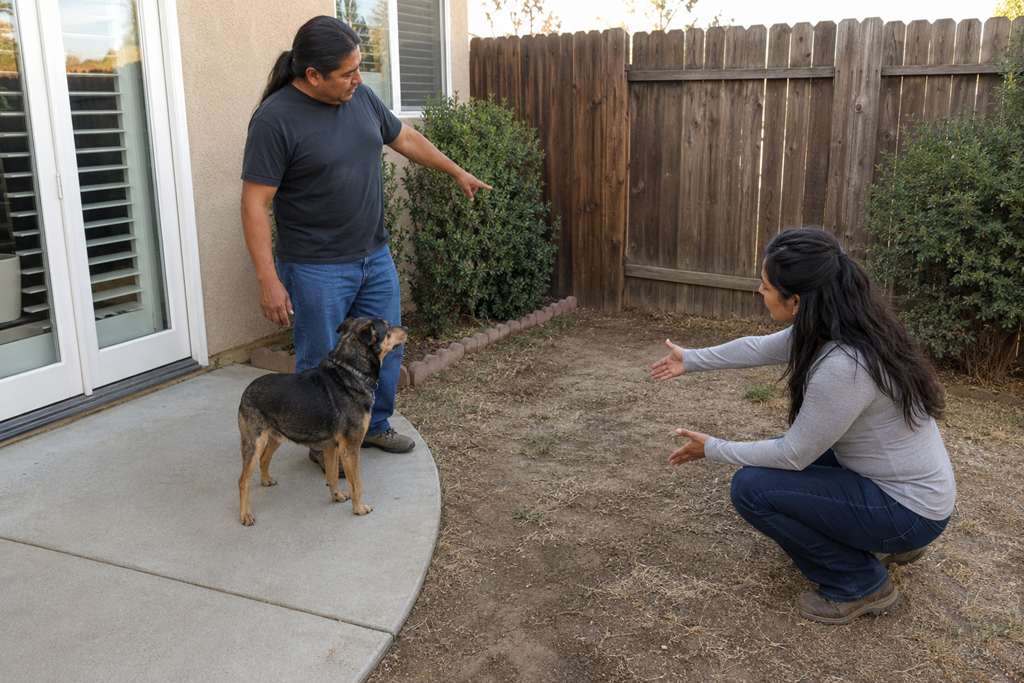
A yard used by pets is different from a yard used mostly for appearance. Pets tend to repeat the same routes, stop in the same bathroom areas, dig near edges, rest in shaded corners, and run between doors, gates, patios, and favorite spots.
Those patterns matter because artificial turf is a surface system, not just a green carpet. The visible turf is only one part of the decision. What happens under it, around it, and through it affects how well it fits a pet-heavy yard.
For Sacramento-area homes, this can be especially important when a yard gets strong sun, dry conditions, and occasional rain. A surface that looks good in a sample may feel different when a dog is using it every day near a patio door, side yard, kennel area, or shaded fence line.
Bathroom Habits Deserve Early Attention
One of the biggest misunderstandings about artificial turf and pets is assuming that any turf will handle pet waste the same way. The better question is how the full installation is being planned for the way your pet uses the space.
Pet urine, drainage, odor, and maintenance are connected. If a dog regularly uses one corner of the yard, that area may need more careful discussion than a rarely used section near a fence. If multiple pets share the space, the conversation may change again.
Before comparing estimates, it helps to describe your pet’s habits honestly. A local installer does not need a perfect map of your dog’s routine, but they should be willing to discuss where pets usually go, how often the yard is used, and whether any areas already hold moisture or smell after watering or rain.
Heat Is Not Just A Comfort Detail
Artificial turf can become warm in direct sun, especially in open yards with limited shade. That does not automatically mean turf is the wrong choice around pets, but it does mean heat should be part of the planning conversation.
Pets experience outdoor surfaces differently than people standing in shoes. A yard that feels acceptable during a quick walkthrough may feel less comfortable for a dog lying down, walking barefoot, or spending time outside during the hotter parts of the day.
This is where the layout matters. Shade, tree cover, patio placement, water access, and the pet’s usual resting spots can all affect whether turf feels practical. A thoughtful estimate should not treat the entire yard as one identical surface if the pet mostly uses certain zones.
Drainage And Odor Should Be Discussed Together
Pet-related odor problems are often discussed as if they are only a cleaning issue. Maintenance matters, but drainage and surface planning matter too.
If liquid does not move through and away from the surface properly, odors may become harder to manage. If the yard already has low spots, compacted areas, or sections that stay damp, those details should be brought up before installation begins.
A Sacramento homeowner does not need to diagnose the yard. The useful step is to point out what already happens: where water sits, where smells linger, where the dog usually goes, and where the ground feels uneven. That gives the installer a better chance to explain how the project would be approached.
Some Pets Are Harder On Edges Than On The Middle
When people picture turf wear, they often imagine the center of the lawn. With pets, the more important areas may be edges, seams, gates, fence lines, doorways, and corners.
A dog that runs the same path every day can create heavy traffic in a narrow strip. A dog that digs may focus on borders rather than open turf. A pet that waits near the back door may wear one transition area faster than the rest of the yard.
This does not mean the project is a bad idea. It means the estimate should account for the way the yard is actually used. If the conversation only focuses on square footage and the color of the turf, important pet-related details may be missed.
The Best Questions Are Practical, Not Technical
You do not need to speak like an installer to have a useful conversation. Plain questions are often enough to reveal whether a provider is thinking through the pet-related details.
You might ask:
- How do you plan around areas where pets regularly urinate?
- What should I know about odor control and drainage?
- How warm can this area feel in direct sun?
- Are there specific parts of my yard where pet traffic could create more wear?
- How are edges, corners, and transitions handled when pets dig or run?
- What kind of routine care should I realistically expect after installation?
The goal is not to get a perfect answer to every possible scenario. The goal is to hear whether the installer explains tradeoffs clearly, asks about your pets, and connects recommendations to your actual yard.
Be Careful With One-Size-Fits-All Answers
A red flag is not always dramatic. Sometimes it is simply a provider who treats every pet yard the same.
Be cautious if the discussion skips over odor, drainage, heat, or pet behavior entirely. Also be careful if the answer sounds too simple, such as “it is pet turf, so you do not need to worry about it.” Pet-friendly materials can be helpful, but they do not replace good planning.
It is also worth being careful with estimates that are difficult to compare. If one provider explains pet-related preparation clearly and another only gives a quick price, the cheaper or faster option may not be easier to understand. A clear scope can matter as much as the surface itself.
Think About Daily Life After The Turf Is Installed
The best turf decision is not only about how the yard looks on the first day. It is about whether the surface makes sense for daily routines.
Will the dog still have a comfortable shaded area? Will the main bathroom spot be easy to maintain? Will the surface near the door handle repeated traffic? Will the yard still work when pets, children, guests, patio furniture, and outdoor storage all share the same space?
These questions keep the decision practical. They move the conversation away from a perfect-looking lawn and toward a yard that fits the people and animals who use it every day.
A Better Pet Turf Conversation Starts With Real Use
Before adding artificial turf around pets, Sacramento-area homeowners should think beyond appearance. Pet habits, heat, drainage, odor, digging, and traffic patterns can all shape whether the finished yard works well in daily life.
A more useful estimate will connect the turf plan to your actual pets and your actual yard. When you can describe how the space is used, ask focused questions, and compare how providers explain the details, you are in a better position to make a local service decision that feels practical rather than rushed.