Patio cover installation usually moves through a series of connected phases: defining how you want to use the outdoor space, evaluating the site, choosing a design and scope, reviewing the proposal, preparing the area, completing the build, and walking through the finished project. The exact sequence can vary by property and provider, but the important point is that installation begins well before materials arrive. Good planning helps the later stages make more sense and gives you clearer opportunities to ask questions before work starts.
If you have never had a patio cover installed, it can be easy to picture the project as a simple handoff: choose a cover, schedule the work, and wait for construction to finish. In practice, several decisions usually need to line up before visible construction begins. Understanding that progression can make it easier to follow what is happening and recognize when something needs clarification.
The First Phase Is Deciding What the Cover Needs to Do
Before dimensions, materials, and other project details are finalized, it helps to be clear about how you expect the covered area to function.
Some homeowners primarily want more shade over a seating area. Others may be thinking about outdoor dining, entertaining, protecting a frequently used doorway, or making an existing patio more comfortable during periods of strong Sacramento sun.
This does not mean you need to design the project yourself. It means giving a provider useful context about how the space is actually used.
The relationship between the patio and the rest of the property can matter as well. Doors, windows, walkways, landscaping, furniture placement, and the amount of space you want to keep open can all influence the conversation.
A productive planning discussion should gradually turn a general idea such as “we want more shade here” into a defined project that both you and the provider understand.
A Site Review Turns Preferences Into a Specific Scope
Once the goal is clearer, the physical property becomes part of the discussion.
A provider may evaluate the size and layout of the patio, its relationship to the home, existing surfaces and structures, access to the work area, and other visible property conditions that could affect the proposed project.
This is an important distinction: liking a particular patio cover style does not automatically mean every version of that idea fits every property in the same way.
The site review is where preferences and real-world conditions begin to meet.
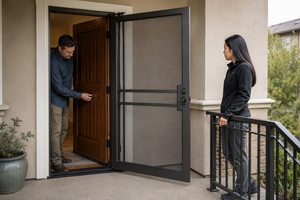
For the homeowner, this is a useful time to mention concerns that might otherwise be easy to overlook. If you need to preserve access through a particular doorway, keep part of the patio uncovered, accommodate existing furniture, or understand how the project will interact with another outdoor feature, bring that into the conversation before the scope is settled.
The Written Scope Connects Planning With Construction
A patio cover project becomes easier to follow when the proposal clearly describes what the provider is actually planning to deliver.
Before committing, you should be able to understand the general size and location of the proposed cover, the type of system or materials being discussed, major finish choices, what preparation is included, and which parts of the surrounding area are or are not part of the project.
Optional features should also be distinguished from the basic project rather than assumed.
This is where vague expectations can create problems later. A homeowner may be imagining one finished result while the provider is pricing a narrower scope.
The goal is not to understand every construction detail. It is to make sure the practical boundaries of the project are understandable before installation begins.
Preparation Often Happens Before the Project Looks Like Construction
The visible build may be the most noticeable part of patio cover installation, but some preparation usually needs to happen first.
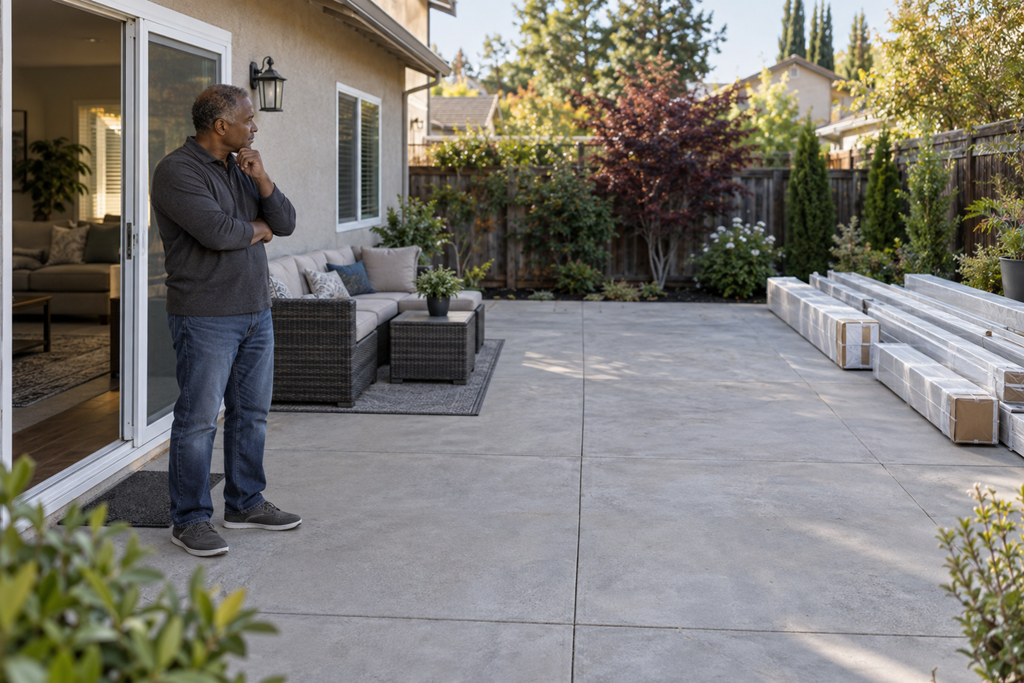
Furniture or other belongings may need to be moved away from the work area. The provider may need a reasonable route for bringing materials to the patio and a place where project components can be staged without creating unnecessary disruption.
Homeowners should also know what the provider expects from them before the scheduled work begins.
If an outdoor area is used every day, discussing access and temporary disruption ahead of time can make the transition easier. That can be especially useful when the patio connects directly to a kitchen, family room, frequently used doorway, side yard, or other part of the property.
Good preparation is often quiet and uneventful. That is exactly the point.
Installation Usually Unfolds in Connected Phases
Once work begins, a patio cover does not normally appear as one finished structure all at once.
The project may progress through site preparation and layout, installation of the main supporting structure, placement of the covering components, completion of finish details, and cleanup. The exact sequence depends on the project and the system being installed.
For a homeowner, the useful insight is not how to perform those tasks. It is recognizing that each phase prepares the project for the next one.
At certain points, the patio may look surprisingly unfinished even though meaningful progress has been made. Materials may be waiting nearby while an earlier part of the project is completed. Some visible components may appear finished while another section remains open.
That intermediate appearance is one reason construction projects can be difficult to judge from a single moment.
A Pause Between Phases Does Not Automatically Mean Something Is Wrong
Homeowners sometimes become concerned when visible activity slows down or one part of the project seems to be waiting on another.
There can be ordinary reasons for a project to move unevenly. A provider may need to complete or confirm one portion of the work before proceeding to the next. Materials may need to be coordinated, a property condition may need clarification, weather may affect outdoor work, or a change may need to be discussed before the project continues.
What matters most is whether the provider can explain what stage the project is in and what needs to happen next.
A pause that is clearly explained feels very different from a project where the homeowner repeatedly has to guess what is happening.
Mid-Project Changes Should Be Tied Back to the Original Scope
Even with good planning, something may occasionally come up after work begins.
Sometimes the homeowner changes a preference. In other cases, the provider may identify a condition that was not fully apparent during the earlier discussion.
When that happens, it helps to bring the conversation back to the agreed project.
What changed? Why does it matter? Does it change what will be included? Could it affect cost or scheduling? Is there a decision you need to make before work continues?
Those questions keep a change from becoming an informal assumption.
You do not need to make technical judgments about the construction yourself. You do need enough explanation to understand how a proposed change relates to the project you originally agreed to.
Completion Is More Than Seeing a Patio Cover Standing
The final stage should give you an opportunity to look at the finished project in relation to the scope you approved.
This is the time to identify anything that appears incomplete, ask about any features you do not understand, clarify care or use information provided with the project, and confirm whether there are remaining items that still need attention.
The surrounding area matters too. Cleanup, material removal, and restoring normal use of the patio are part of how homeowners experience the end of a project.
A final conversation can also help separate genuine unresolved concerns from details that simply need explanation.
Questions That Make the Process Easier to Follow
Before hiring or while reviewing a proposal, a few straightforward questions can make the project easier to understand:
- What decisions need to be finalized before installation is scheduled?
- What parts of the patio and surrounding area are included in the project scope?
- What should I do to prepare the area before work begins?
- How will I know when the project is moving from one major phase to another?
- How will unexpected conditions or requested changes be discussed before additional work proceeds?
- What should I expect during the final walkthrough and completion process?
The value of these questions is not getting a perfectly predictable project. It is establishing clearer expectations before construction begins.
A Patio Cover Project Is Easier to Understand When Each Phase Connects to the Next
Patio cover installation is usually best understood as a progression rather than a single construction event.
Planning establishes what you want the space to accomplish. The site review connects those goals to the property. The proposal defines the scope. Preparation gets the area ready. Installation turns that plan into a physical structure, and the final walkthrough helps confirm what was completed.
For Sacramento-area homeowners comparing patio cover providers, understanding that progression can make estimates, project conversations, and mid-project questions much easier to evaluate. You do not need to know how to build the cover yourself. You simply need enough clarity to understand what you are agreeing to, where the project currently stands, and what should happen next.