Drought-tolerant landscaping is not simply a matter of replacing a lawn with rocks or choosing plants labeled “low water.” The most suitable choices depend on how much sun, heat, foot traffic, drainage, irrigation, and ongoing care each part of a property receives. For Sacramento-area homeowners, the goal is usually to create a landscape that uses water more thoughtfully while still fitting the way the yard needs to look and function.
This can be easy to underestimate. A homeowner may begin with a simple goal such as reducing lawn watering, only to discover that every alternative comes with its own decisions. Plants still require care. Gravel can absorb heat. Mulch needs refreshing. Irrigation may need to be adjusted. A design that looks attractive in a photograph may not suit a yard used by children, pets, guests, or people who need clear walking surfaces.
Understanding those tradeoffs before requesting estimates can help homeowners discuss the project more clearly with local landscaping professionals.
Drought-Tolerant Does Not Mean Water-Free
One of the most common misunderstandings is that a drought-tolerant landscape should survive with almost no water.
In reality, drought tolerance generally means that a plant or landscape can perform with less supplemental water than a conventional high-water design once it has become established. Newly installed plants may still need attentive watering while their roots develop. Some plants also need occasional seasonal watering to remain healthy and attractive.
This distinction matters when comparing landscaping proposals. A plan described as drought tolerant should still explain how the plants will be established, how their water needs differ, and what kind of ongoing irrigation is expected.
A homeowner who expects a completely water-free yard may otherwise be disappointed when a new landscape still needs monitoring and care.
The Right Choice Can Change From One Part of the Yard to Another
A property rarely has identical conditions from one edge to the other.
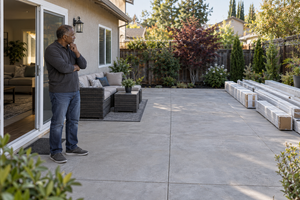
A west-facing planting bed may receive intense afternoon sun, while a narrow side yard remains shaded for much of the day. An area near a driveway may experience reflected heat. A low spot may hold moisture longer than a raised section. A front yard may be mostly decorative, while a backyard needs room for children, pets, seating, or entertaining.
Because of these differences, choosing one plant palette or surface material for the entire property may not produce the best result.
A more thoughtful design considers what each area is expected to do. Decorative planting, usable open space, walkways, shade, privacy, drainage, and access may all require different solutions. The landscape can still have a consistent appearance without treating every section as though it has the same conditions.
A Yard Filled With Rocks Is Not the Only Alternative to Grass
Some homeowners picture drought-tolerant landscaping as a nearly empty yard covered in gravel or decorative stone. That may reduce the amount of living plant material, but it is not automatically the most comfortable or practical choice.
Large areas of exposed rock can become very warm in direct sun. Loose material may shift into walkways or driveways. Weeds can still appear. Fallen leaves and seed pods may be difficult to remove from certain surfaces. A rock-heavy design may also provide less shade and visual softness than the homeowner expected.
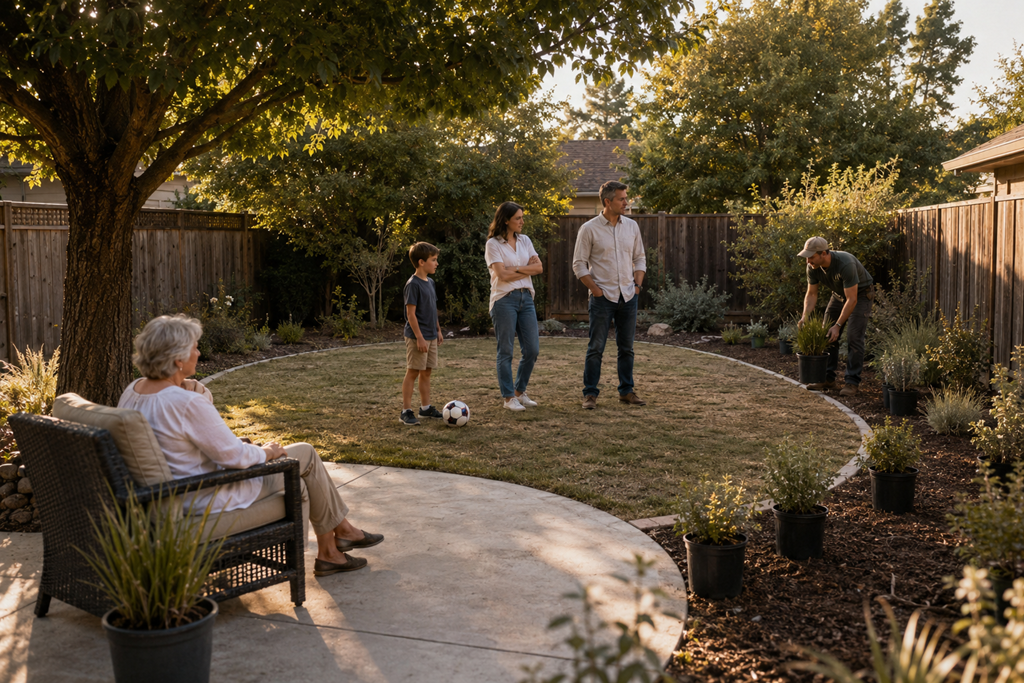
Other landscapes use a combination of low-water plants, mulch, small trees, pathways, sitting areas, limited open space, and carefully placed stone. The best balance depends on the property and the homeowner’s priorities.
The important question is not whether a yard contains grass or gravel. It is whether the materials work together and support how the space will actually be used.
Plant Labels Do Not Tell the Whole Story
A plant may be described as drought tolerant and still be a poor choice for a particular location.
Sun exposure, mature size, soil conditions, drainage, winter moisture, reflected heat, and nearby structures can all affect how well a plant performs. A compact plant in a nursery container may eventually spread across a walkway. A species that tolerates dry conditions may struggle in a shaded area that stays damp. Another may survive strong sun but require more pruning or cleanup than the homeowner wants.
This is why appearance alone should not guide the decision.
Homeowners may benefit from asking how large each plant is expected to become, how it will change through the seasons, and what type of maintenance it is likely to require. A successful low-water landscape should still look intentional after the plants mature.
Maintenance Does Not Disappear—It Changes
Replacing a conventional lawn can reduce mowing and frequent watering, but it does not eliminate landscape maintenance.
Drought-tolerant gardens may still need pruning, weed control, irrigation checks, mulch renewal, seasonal cleanup, and replacement of plants that do not adapt well. Some designs require occasional shaping to keep walkways open. Others produce flowers, leaves, seed pods, or dry stems that need to be managed.
The amount and type of work can vary significantly between designs.
A homeowner who wants a highly natural planting style may accept more seasonal change and plant movement. Someone who prefers a neat, structured appearance may need a design that can be maintained more precisely. Neither preference is wrong, but it should be discussed before installation.
The better question is not, “Will this yard be maintenance-free?” It is, “What kind of maintenance will this yard require, and does that fit my expectations?”
Water-Saving Choices Should Still Support Everyday Use
Reducing water use is only one goal of a functional landscape.
A yard may also need safe walking routes, shaded seating, play space, pet access, privacy, drainage, or a clear path for moving waste bins and equipment. Ignoring those needs can result in a landscape that looks attractive but feels inconvenient.
For example, replacing every open area with dense planting may leave little usable space. Covering a major walking route with loose gravel may create accessibility concerns. Removing all turf without planning another durable surface may make it harder for children or pets to use the yard.
A landscaping professional should understand how the household uses the property before recommending materials. This allows drought-tolerant choices to support daily life rather than compete with it.
Existing Irrigation May Need More Than a Minor Adjustment
Homeowners sometimes assume that a new low-water landscape can simply use the property’s existing watering schedule.
However, a system designed for lawn may not distribute water in a way that suits a mixed planting design. Different plants can have different watering needs, and spraying paths, fences, walls, or gravel wastes water without benefiting the landscape.
This does not mean every project requires a completely new irrigation system. It means the existing setup should be evaluated as part of the design rather than treated as a separate concern.
When reviewing an estimate, homeowners can ask whether irrigation changes are included, which parts of the current system may remain, and how different planting areas will be managed. Clear answers can make it easier to compare the true scope of competing proposals.
Lower Water Use Does Not Automatically Mean Lower Upfront Cost
A drought-tolerant landscape can involve plant removal, soil preparation, irrigation changes, new pathways, mulch, stone, edging, drainage work, and plant installation. The project may cost more initially than a homeowner expects, particularly if the existing yard needs significant changes.
A low-water design should therefore be evaluated as a long-term property improvement rather than only as an immediate attempt to reduce watering.
When comparing estimates, it helps to understand what each proposal actually includes. One quote may cover only removal and basic planting, while another includes irrigation adjustments, surface preparation, edging, cleanup, and follow-up care.
A lower total does not necessarily represent the same project. The scope, materials, plant sizes, irrigation work, and establishment support should be compared alongside the price.
Native and Climate-Adapted Plants Are Related, but Not Identical
California native plants can be valuable choices because they are connected to regional conditions and local ecosystems. However, not every native plant is suitable for every residential site, and not every drought-tolerant landscape has to use native plants exclusively.
Climate-adapted plants from other regions with similar growing conditions may also perform well when chosen carefully. A landscape may combine native and non-native plants to meet goals related to appearance, shade, privacy, seasonal color, or maintenance.
The important issue is whether the selected plants fit the property’s conditions and are expected to coexist without creating conflicting water or care requirements.
Homeowners with strong preferences about native plants, pollinator support, evergreen coverage, flower color, or seasonal appearance should mention those priorities early in the planning conversation.
Questions That Can Make a Landscaping Estimate More Useful
Before choosing a local landscaping provider, homeowners may want to ask:
- How were the plants selected for the sun and heat conditions in each area?
- What will the plants look like at their mature size?
- Which parts of the existing irrigation system can remain?
- What watering will be needed while the landscape becomes established?
- What maintenance should be expected during a typical year?
- Are removal, preparation, mulch, edging, irrigation, and cleanup included?
- How will walkways, pets, play areas, shade, and access be accommodated?
- What happens if certain plants do not establish successfully?
The answers do not need to be highly technical. They should, however, be specific enough for the homeowner to understand what is being proposed and how the finished yard is expected to function.
Watch for Designs That Rely on Vague Assurances
A provider should be able to explain why particular plants and materials suit the property.
Statements such as “these plants barely need water” or “this will be maintenance-free” may leave out important details. Similarly, a proposal based mainly on a single inspiration photograph may not account for sun exposure, mature plant size, irrigation, drainage, or household use.
Another concern is an estimate that lists a general landscape conversion without identifying the major materials, preparation work, or irrigation changes involved. Vague scope can make it difficult to compare providers and may lead to different expectations about what is included.
Clear communication does not require a complicated presentation. It means the homeowner can understand the design, the work being proposed, and the care the landscape is likely to need.
A Good Choice Balances Water Use With the Way You Live
Drought-tolerant landscaping works best when water savings are considered alongside comfort, appearance, maintenance, access, and everyday use.
The strongest choice is rarely the design with the fewest plants or the largest amount of rock. It is the one that matches each part of the property with suitable plants and materials while reflecting how the household wants to use the space.
Before hiring a Sacramento-area landscaping professional, take time to explain your priorities and ask how the proposed design addresses sun, irrigation, mature plant growth, maintenance, and usable space. That conversation can make it easier to compare estimates and choose a landscape that remains practical after the initial installation is complete.