Landscaping that fits real life is not the yard that looks most impressive on installation day. It is the yard that still works when Sacramento heat arrives, schedules get busy, children or pets use the space, and routine upkeep competes with everything else. The best plan begins with how the property is actually lived in, then matches plants, hardscape, shade, irrigation, and maintenance expectations to that reality.
Many homeowners begin planning with an appearance in mind. They may picture a larger patio, greener planting beds, more privacy, a play area, or a cleaner front entrance. Those goals matter, but appearance alone does not reveal whether the finished landscape will be comfortable, practical, and manageable over time.
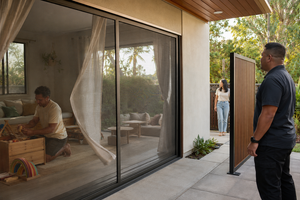
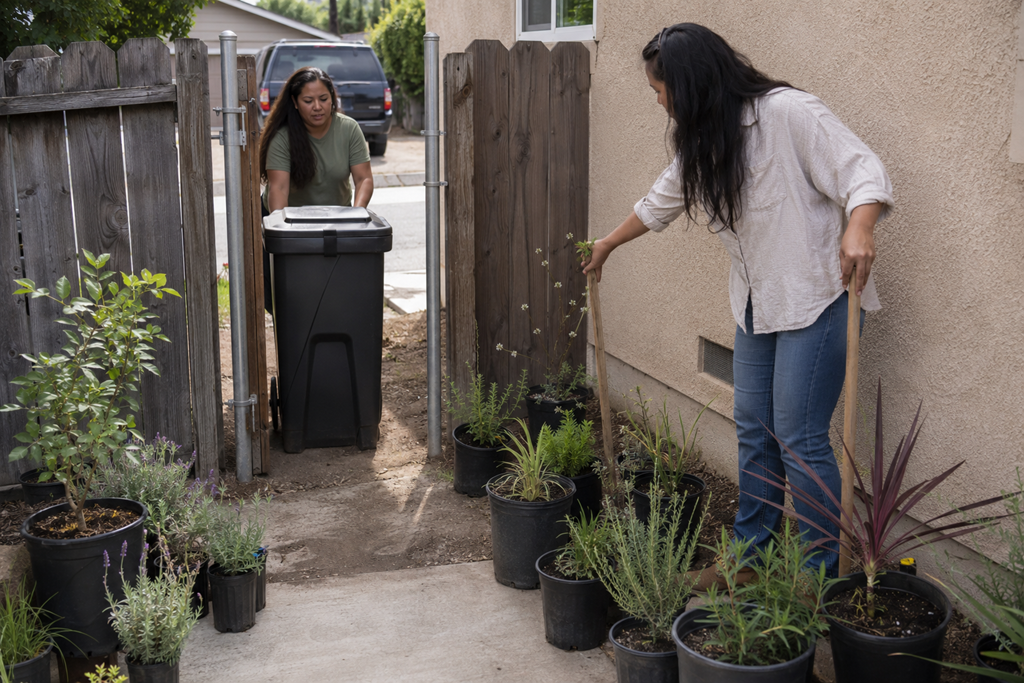
A useful landscaping plan accounts for what happens between the attractive moments: taking the trash bins through the side gate, letting the dog outside, carrying groceries from the driveway, moving a garden hose, supervising children, hosting relatives, or finding a comfortable place to sit on a hot afternoon.
Start With the Life the Yard Already Has
The way people currently move through a property provides useful planning information.
A worn strip of soil may show where family members naturally walk. A folding chair repeatedly moved under the same tree may reveal where shade matters most. A gate that is used several times a week needs a clear route even if a decorative planting bed would look attractive nearby.
These patterns are not obstacles to good design. They are clues.
Before discussing specific plants or materials, a landscaping professional should understand how the property is used on ordinary days. The right plan for a homeowner who enjoys regular gardening may be very different from the right plan for someone who travels frequently, works long hours, has mobility concerns, or wants outdoor space that requires limited attention.
A Beautiful Yard Can Still Be the Wrong Yard
A landscape can be professionally installed and visually appealing while still creating daily frustration.
Delicate groundcover may struggle in the path of an active dog. A patio may go unused if it receives intense afternoon sun when the family normally gathers outside. Dense shrubs may make a narrow walkway feel tighter as they mature. Decorative features can interfere with access to gates, utility areas, hoses, storage, or future home maintenance.
These problems do not necessarily mean the landscaping itself is poor. They often mean the plan was not matched closely enough to the household.
Planning around real life does not require giving up beauty. It means choosing a version of beauty that the property and its residents can realistically support.
Define “Low Maintenance” Before Agreeing to a Design
“Low maintenance” can mean different things to different people.
One homeowner may be comfortable with seasonal pruning and occasional cleanup but want to avoid weekly mowing. Another may prefer a simple lawn because the routine is familiar. Someone else may want fewer plants altogether and more durable open space.
Low-water landscaping is not automatically low-maintenance landscaping. A planting bed may use limited water while still requiring pruning, debris removal, weed management, irrigation checks, or periodic replacement. Hardscape can reduce some yard work but may still need cleaning, joint maintenance, drainage attention, or weed control around edges.
Before accepting a plan, ask what normal upkeep will actually involve. It is helpful to understand:
- Which tasks may be needed regularly
- Which tasks are likely to be seasonal
- Whether specialized maintenance may be recommended
- What may happen when routine care is delayed
- Whether the homeowner or a landscaping provider is expected to handle the work
A realistic explanation is more valuable than a broad promise that the yard will be easy to maintain.
Let Sacramento Conditions Shape the Conversation
Sacramento-area properties can experience strong sun, extended dry periods, heat, and seasonal rain. Those conditions do not affect every part of a yard in the same way.
The front of a home may receive intense afternoon exposure while a side yard remains shaded. One area may dry quickly while another holds moisture after rain or irrigation. Existing trees, fences, buildings, slopes, soil conditions, and paved surfaces can all influence how a landscape performs.
A provider should be able to explain how these conditions affected the proposed layout. Homeowners do not need to become landscape experts, but they should understand why plants, shade features, drainage considerations, irrigation choices, and gathering areas are being placed where they are.
The goal is not to design around worst-case scenarios. It is to avoid treating the entire property as though every area receives the same sun, water, traffic, and use.
Decide What Needs to Work Every Day
It can be helpful to identify the functions that matter most before discussing decorative details.
For one household, that may mean keeping a safe path between the driveway and front door. For another, it may mean creating shade near an outdoor dining area. A family with children may need open visibility and durable play space. A pet owner may care more about secure circulation and easy cleanup than intricate planting beds.
Ask yourself what would make the yard inconvenient enough that you would stop using it.
Would a narrow passage become frustrating? Would extensive pruning be neglected? Would an unshaded patio sit empty? Would a planting area interfere with a dog’s usual route? Would a complicated watering arrangement become difficult to monitor?
The answers can reveal which parts of the plan deserve priority.
Planning for Occasional Use Can Distort the Whole Yard
Homeowners sometimes design primarily for events that happen only a few times a year.
A large entertaining area may sound appealing, but it can consume space that is needed every day for pets, children, gardening, parking, storage, or simple movement through the property. An elaborate planting display may be attractive during a consultation but may not fit the homeowner’s available time or interest in ongoing care.
Occasional goals can still be included. The important question is whether they support or interfere with ordinary use.
A flexible open area, for example, may support everyday family activities while also accommodating additional seating during gatherings. A smaller, well-positioned patio may be more useful than a larger one placed where heat or access makes it uncomfortable.
Phasing the Project May Produce a Better Fit
Homeowners do not always need to complete every landscaping idea at once.
A phased plan can allow the most important functional areas to be addressed first while leaving room to observe how the property is used. A main walkway, shade area, gathering space, or high-use planting zone may take priority over decorative areas that can be completed later.
Phasing can also help homeowners avoid committing to a large design before they know whether the first improvements work as expected.
However, not every project element can be separated without creating additional work. Before dividing a project into stages, ask a qualified landscaping professional which improvements should be coordinated and which can reasonably wait.
The purpose of phasing is not simply to delay decisions. It is to make the decisions in an order that supports the household’s actual priorities.
Questions That Reveal Whether a Plan Fits
A few focused questions can make a landscaping consultation more useful:
- What regular upkeep does this design assume?
- How does the layout account for afternoon heat and changing shade?
- Will gates, bins, hoses, utility areas, and service routes remain accessible?
- Which parts of the design are least forgiving if maintenance is delayed?
- How large will the plants become when mature?
- Can the project be divided into practical phases without creating unnecessary rework?
Pay attention to whether the answers are specific to your property and routines. General descriptions may sound reassuring, but a good planning conversation should connect the recommendations to how the yard will actually be used.
Be Careful With Plans That Depend on Your Ideal Routine
It is easy to plan for the person you hope to become.
You may imagine spending every weekend gardening, cleaning an outdoor kitchen after every use, carefully shaping ornamental plants, or moving furniture whenever the weather changes. Those activities may genuinely interest you, but the landscape should not depend entirely on habits that have never been part of your routine.
A good plan can encourage new activities without becoming difficult to manage when life gets busy.
That is one reason honest conversations about time, budget, physical effort, travel, children, pets, and long-term plans are important. These details are not separate from landscaping design. They help determine whether the design will remain useful.
Notice How a Provider Responds to Everyday Concerns
When comparing Sacramento-area landscaping professionals, look beyond attractive photographs and polished design ideas.
A provider should be willing to discuss tradeoffs. They should be able to explain how a choice may affect upkeep, shade, access, mature plant size, irrigation needs, and future flexibility. They should also be willing to adjust a visually appealing idea when it conflicts with the household’s daily routines.
Communication may be unclear when a provider:
- Recommends a layout before asking how the property is used
- Describes the entire yard as low maintenance without explaining the upkeep
- Dismisses concerns about children, pets, access, or physical effort
- Cannot explain why a feature is being placed in a particular area
- Treats questions about future maintenance as resistance to the project
Homeowners should not feel pressured to accept a plan simply because it looks impressive in a rendering or photograph.
The Best Landscape Makes the Property Easier to Live With
Landscaping that fits real life should support the way a household moves, rests, gathers, plays, maintains the property, and handles ordinary responsibilities.
The most useful plan may not include the greatest number of features. It may be the one that preserves a necessary pathway, places seating where it will actually be comfortable, limits maintenance to a realistic level, and leaves room for future changes.
Before hiring a local landscaping professional, compare more than appearance and price. Consider how carefully each provider listens, whether the proposed design reflects the property’s real use, and how clearly the provider explains ongoing care and tradeoffs.
A yard does not need to be perfect to be successful. It needs to remain practical, usable, and worth maintaining after the installation is complete.