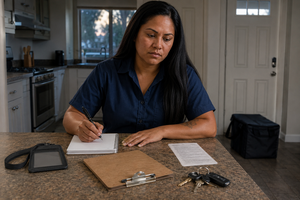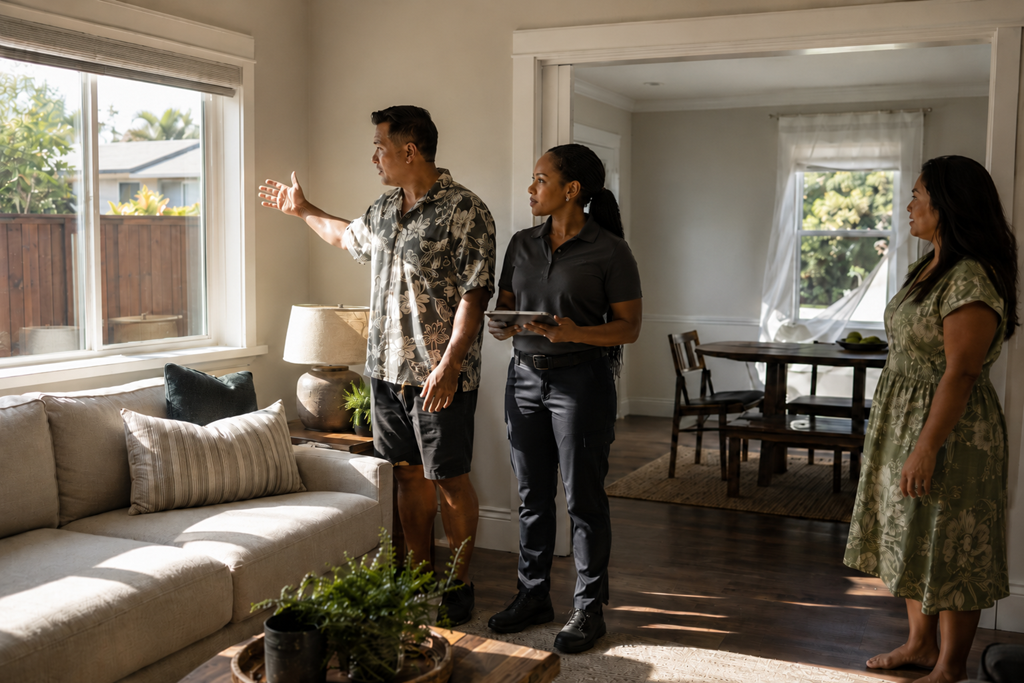
Planning window replacement around long-term comfort means looking beyond whether an old window is damaged today. It means considering how each room feels during hot afternoons, cool mornings, windy weather, seasonal rain, quiet hours, and everyday use—then discussing which window features and installation details may improve those conditions over time.
This approach can be helpful when a home has several aging windows but the discomfort is not the same everywhere. One room may become unpleasantly warm in direct afternoon sun, another may feel drafty, and a bedroom may let in more outside noise than expected. Treating every window as an identical problem can overlook the reasons homeowners wanted a change in the first place.
Comfort Is a Room-by-Room Question
Windows that look similar can affect their rooms differently.
A west-facing family room may receive strong afternoon sunlight. A shaded bedroom may have fewer heat concerns but more noticeable air movement around the frame. A kitchen window may need to be easy to operate, while a home office window may need better glare control.
The most visibly worn window is not always the one that affects daily comfort the most. A window can appear acceptable while making a frequently used room difficult to enjoy during certain parts of the day.
That is why a useful replacement conversation should include how each room is used, when discomfort appears, and what the homeowner hopes will feel different after the project.
Start With the Way the Home Is Actually Used
Homeowners often begin by counting windows, measuring openings, or looking at product styles. Those details matter, but they do not fully explain the comfort problem.
A better starting point is the lived experience inside the home.
Consider where people naturally sit, sleep, work, cook, relax, or gather. Notice whether furniture has been moved away from certain windows, curtains remain closed for much of the day, or rooms are avoided during hotter or colder periods.
These patterns can reveal concerns that are easy to overlook during a brief estimate.
For example, a homeowner may say that a room feels warm. The more useful detail may be that sunlight reaches a work surface every afternoon, causing glare and making the desk difficult to use. That information can lead to a more productive discussion than simply asking for an “energy-efficient window.”
Separate the Comfort Problem From the Product
Not every uncomfortable room has one simple cause.
Heat, drafts, glare, noise, difficult operation, damaged seals, installation gaps, window coverings, insulation, shade, and the home’s heating or cooling system can all influence how a room feels. A replacement window may help with some concerns, but it should not automatically be presented as the solution to every comfort complaint.
A qualified window professional should be willing to discuss what appears connected to the window and what may need further evaluation.
This distinction protects homeowners from choosing an expensive feature that does not address the actual issue. It also creates more realistic expectations about what may change after installation.
Think Beyond the First Comfortable Week
Long-term comfort includes more than temperature.
It can also involve:
- How easily the window opens and closes
- Whether fresh air can be introduced safely and conveniently
- How much outside noise enters a bedroom or work area
- Whether direct sunlight creates glare or fades nearby furnishings
- How the window affects privacy
- Whether screens are easy to remove and maintain
- How much effort is required for routine cleaning
- Whether the window works with the room’s furniture arrangement
A window that performs well on paper may still be frustrating if its operation does not fit the room. A hard-to-reach window above a counter, for instance, may require a different conversation than a low window beside a seating area.
The goal is not to select the most complicated window. It is to select features that make sense for the way the room will be used over many years.
A Whole-Home Plan Does Not Require an All-at-Once Project
Some homeowners assume that planning the whole home means replacing every window at the same time.
That is not necessarily the case.
A whole-home plan can simply mean understanding the larger picture before deciding what to address first. Homeowners may identify the rooms with the greatest comfort impact, discuss which windows are showing meaningful problems, and consider how future phases could remain visually and functionally consistent.
This can be especially useful when the budget does not support replacing every window at once.
Before dividing a project into phases, ask whether the selected product line, frame appearance, glass options, hardware, and exterior finish are likely to work with future replacements. The purpose is not to predict every future decision. It is to avoid creating unnecessary complications by treating each phase as an unrelated project.
The Same Window Everywhere May Not Be the Best Answer
Consistency has value. Matching frame profiles and exterior finishes can help a home look intentional.
However, visual consistency does not always require identical performance features in every room.
A window exposed to intense afternoon sun may call for a different glass discussion than one protected by a roofline or mature landscaping. A bedroom facing a frequently used street may have different priorities from a quiet rear room. A bathroom may require different privacy considerations from a family room.
Homeowners can ask whether room-specific options are available without creating an uneven exterior appearance.
The important point is that the decision should be explained. A professional should be able to describe why a particular feature is being recommended for a particular location rather than simply applying the same package to every opening.
Installation Quality Belongs in the Comfort Conversation
Product features receive much of the attention during window shopping, but installation can strongly influence whether the finished window performs as expected.
A well-suited window may still disappoint if the opening is not properly evaluated, the unit does not fit as intended, or the perimeter details are handled poorly.
Homeowners do not need to manage the technical installation themselves. They should, however, ask how the provider evaluates existing openings, addresses visible damage, handles interior and exterior finishing, and checks the completed installation.
The answers should be understandable and specific to the home. Vague assurances that every project is handled “the standard way” may not explain how unusual openings, older materials, previous repairs, or existing water concerns will be addressed.
Questions That Keep the Estimate Focused on Comfort
A few direct questions can make a window consultation more useful:
- Which rooms appear to have different window-related concerns?
- Which recommended features address heat, glare, drafts, noise, operation, or privacy?
- Could the exterior appearance remain consistent if different rooms use different options?
- Which windows appear most important to address first if the project is completed in phases?
- What changes should we realistically expect after installation?
- How will the completed windows be checked for fit, operation, and perimeter finishing?
These questions can help move the conversation beyond window count and product price. They also make it easier to compare providers based on how carefully they listen, explain options, and connect their recommendations to the home.
Watch for Recommendations That Skip the Room-Specific Discussion
A replacement proposal may feel incomplete when the recommendation is made before anyone asks how the rooms are used.
Other warning signs can include explanations that rely heavily on broad product claims, pressure to select one package for the entire home without discussing exposure differences, or promises that replacement will solve every temperature and comfort problem.
This does not mean every window needs a highly customized configuration. In some homes, one consistent option may be entirely reasonable.
The concern is whether the recommendation came from evaluating the home or from applying a standard answer without understanding the homeowner’s priorities.
A Better Decision Starts With Specific Expectations
Long-term comfort is easier to plan when homeowners describe the experience they want to improve rather than asking only which window is considered best.
A useful plan may include reducing afternoon glare in a work area, making bedroom windows easier to operate, improving comfort near a family-room seating area, or addressing noticeable drafts around particular openings.
Those expectations give local window professionals something specific to evaluate and explain. They also give homeowners a clearer basis for reviewing estimates and comparing recommendations.
Before committing to window replacement, Sacramento-area homeowners can benefit from walking through the home room by room, noticing when and where discomfort appears, and bringing those observations into the consultation. The right plan should respond to everyday life inside the home—not just the number, age, or appearance of its windows.