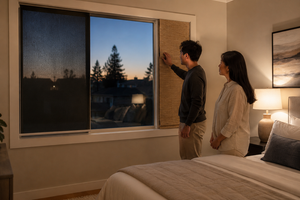
Whole-home comfort is not just about whether the thermostat is set correctly. It is about how the entire home feels from room to room, at different times of day, and under different weather conditions.
Before calling for HVAC help, Sacramento-area homeowners and renters can often make the conversation more useful by paying attention to patterns: which rooms feel uncomfortable, when the problem shows up, whether airflow feels uneven, and whether the issue seems tied to heat, sun exposure, closed doors, vents, or how often the system runs.
This does not mean trying to diagnose or repair the system yourself. It simply means looking at the comfort problem as a whole-home pattern instead of a single complaint like “the house is hot” or “the air conditioner is not working right.”
Whole-Home Comfort Is About More Than One Temperature
Many people first notice an HVAC concern as a simple discomfort: one bedroom stays warm, the living room feels stuffy, the hallway feels cooler than the rest of the house, or the system seems to run often without making the home feel balanced.
That kind of problem can feel confusing because the thermostat may appear normal. The system may turn on. Air may still come from the vents. But the home still does not feel consistently comfortable.
That is why whole-home comfort is a useful way to think about the issue. Instead of focusing only on the thermostat number, it looks at the lived experience inside the home:
- Whether some rooms feel noticeably different from others
- Whether the temperature changes quickly after the system shuts off
- Whether certain areas feel still, stuffy, drafty, or overly warm
- Whether comfort problems are worse during sunny afternoons, overnight, or when several rooms are occupied
- Whether the system seems to be working hard without evenly improving the space
This kind of thinking helps an HVAC professional understand the problem more clearly when you reach out.
What This Usually Feels Like In Real Life
A whole-home comfort problem often shows up in small daily frustrations.
You may avoid using one room during warmer parts of the day. Someone in the home may need an extra blanket while another person feels too warm. Upstairs areas may feel different from downstairs areas. A room with large windows may feel harder to cool. A bedroom may stay uncomfortable even though the main living area feels fine.
For Sacramento residents, comfort questions often become more noticeable during hot, dry stretches or in homes with strong afternoon sun exposure. Older properties, additions, shaded rooms, sun-facing rooms, and different ceiling heights can all make comfort feel uneven without the issue being obvious at first glance.
The important point is that uneven comfort is not always easy to explain in one sentence. That is normal. The more clearly you can describe where and when it happens, the easier it becomes to have a productive service conversation.
Why The Pattern Matters Before You Call
When someone calls for HVAC help and says, “The house is uncomfortable,” that may be true, but it may not give the provider enough context.
A better starting point is describing the pattern.
For example, there is a difference between:
- The whole home never feels cool enough
- One room is always warmer than the rest of the house
- The home cools down but heats back up quickly
- Airflow feels weak in certain areas
- The system runs often but comfort still feels uneven
- The problem is worse only during certain times of day
These are not diagnoses. They are observations. But they help the professional ask better questions, inspect the right areas, and explain the possible causes in a way that makes more sense.
This can also help you avoid feeling pressured into a decision before you understand the issue. If the conversation jumps straight to a repair, replacement, upgrade, or add-on without addressing the comfort pattern you are experiencing, it is reasonable to ask for a clearer explanation.
Separate The Symptom From The Assumption
One common mistake is assuming that the first symptom tells the whole story.
A warm room does not always mean the system is too small. A system that runs often does not always mean replacement is the only discussion worth having. A thermostat that reaches its setting does not always mean the home is comfortable everywhere. Weak airflow in one area does not automatically explain every comfort issue in the house.
Whole-home comfort is about stepping back before deciding what the problem “must” be.
A more useful way to think about it is:
“What am I actually noticing, and where does it happen?”
That question keeps the conversation practical. It helps you describe the experience without locking yourself into a conclusion before a qualified professional has evaluated the system and home conditions.
Room-To-Room Differences Are Worth Describing Clearly
If comfort changes from room to room, describe the difference in plain language.
You do not need technical terms. You can say things like:
- “The back bedroom feels warmer than the rest of the house in the afternoon.”
- “The living room feels comfortable, but the hallway and bedrooms feel stuffy.”
- “The upstairs area seems harder to cool than downstairs.”
- “The air feels stronger from some vents than others.”
- “The system turns on, but the home does not feel evenly comfortable.”
These kinds of details are often more useful than trying to name the cause yourself.
It also helps to mention whether doors are usually open or closed, whether the uncomfortable room gets strong sun, whether the issue changes after sunset, and whether the problem started suddenly or has been gradually getting more noticeable.
Again, this is not about troubleshooting the system. It is about giving a clearer picture of the comfort experience.
The Thermostat Does Not Tell The Whole Story
A thermostat is only one point of measurement. It may be in a hallway, a central area, or a location that does not represent every room equally.
That means a home can appear to reach the thermostat setting while still feeling uneven elsewhere. A room with more sun exposure, less airflow, different insulation conditions, or more heat from daily use may feel different from the area where the thermostat is located.
This is one reason whole-home comfort can be frustrating. The system may seem to be doing something, but the experience inside the home still feels off.
Before calling, it can help to think beyond the thermostat and focus on comfort zones. Which parts of the home feel normal? Which parts feel different? Does the difference happen every day or only under certain conditions?
Those details can make the service visit more focused.
Comfort Problems Can Affect More Than Temperature
People often describe HVAC concerns as “too hot” or “too cold,” but comfort can also include air movement, stuffiness, dryness, noise, cycling patterns, and how quickly the home changes temperature.
For example, a room may not feel extremely hot, but it may feel still and stale. Another area may feel cool only when the system is actively running, then uncomfortable soon after. A home may feel acceptable in the morning but harder to manage later in the day.
These experiences matter because they affect how people actually use their homes. A home office may become difficult to work in. A bedroom may be hard to sleep in. A family room may feel less comfortable during normal daily routines.
Thinking this through before calling helps keep the conversation centered on comfort, not just equipment.
What Can Make The Issue Harder To Explain
Whole-home comfort problems can be hard to talk about because they may not happen all the time. They may come and go. They may depend on the weather, the time of day, how many people are home, or whether certain rooms are being used.
Another challenge is that homeowners may feel unsure whether the issue is serious enough to call about. If the system still turns on, it can be tempting to wait. If the discomfort is only in one room, it may seem too minor to mention. If the problem has slowly become normal, it may not feel like a clear service issue.
But discomfort patterns are still useful to discuss. You are not required to know whether the issue is minor, major, repair-related, design-related, maintenance-related, or something else. A qualified HVAC professional can help evaluate that. Your role is simply to describe what is happening in the home.
Questions That Can Make The HVAC Conversation Clearer
When you contact an HVAC provider, a few practical questions can help you understand how they are thinking about the whole home rather than only one symptom.
You might ask:
- “What could explain why this room feels different from the rest of the house?”
- “How will you evaluate the comfort problem, not just the equipment?”
- “Are there conditions in the home that could affect airflow or temperature balance?”
- “Can you explain what you are seeing in plain language before recommending next steps?”
- “If there are multiple possible solutions, what are the tradeoffs?”
These questions are not confrontational. They simply help you understand whether the provider is connecting the recommendation to the problem you are actually experiencing.
A clear professional should be able to explain what they observed, what they are unsure about, and why they are recommending a particular repair, adjustment, replacement discussion, or follow-up evaluation.
A Good Service Conversation Should Connect The Dots
One helpful sign during an HVAC appointment is whether the explanation connects back to your actual comfort concerns.
If you said the back bedroom feels warm every afternoon, the conversation should eventually address that pattern. If you described uneven airflow, the explanation should not ignore that detail. If your concern is that the system runs often without balanced comfort, the recommendation should help you understand why that may be happening.
This does not mean every problem has a simple answer. Some HVAC comfort concerns involve several factors. But the communication should still make sense.
Be cautious if the explanation feels vague, rushed, or disconnected from what you described. You can ask for clarification before agreeing to major work. A practical next step should be understandable, even if the technical details require professional training.
Whole-Home Thinking Helps You Avoid A Rushed Decision
When the home feels uncomfortable, it is easy to want a quick answer. That is understandable, especially when the issue affects sleep, work, family routines, or daily comfort.
But whole-home comfort is often better approached with a little organization before the call.
You do not need a detailed report. You only need a simple picture of the issue:
- Where the discomfort happens
- When it happens
- How long it has been noticeable
- Whether it affects one room, several rooms, or the whole home
- Whether the system seems to run normally, constantly, briefly, or unevenly
- What you want the home to feel like after the issue is addressed
That last point matters. The goal is not just to “fix the HVAC.” The goal is to understand what would make the home feel more livable, balanced, and usable.
The Takeaway For Sacramento-Area Residents
Before calling for HVAC help, think about whole-home comfort as a pattern, not just a temperature problem.
Notice which areas feel different, when the issue shows up, how the system seems to behave, and how the discomfort affects daily life. Then use those observations to have a clearer conversation with a local HVAC professional.
You do not need to diagnose the problem yourself. You just need to describe the experience well enough that the service conversation starts in the right place. That can help you ask better questions, compare explanations more thoughtfully, and feel more prepared before making a local service decision.