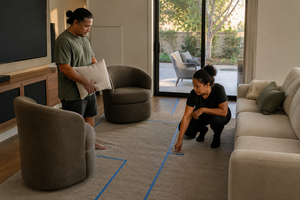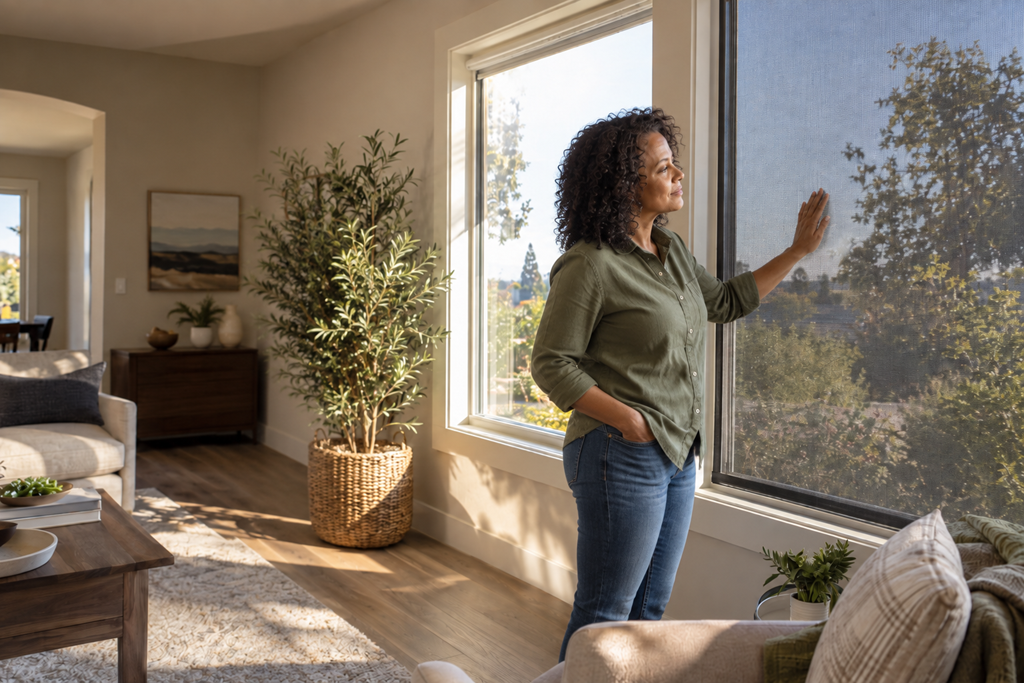
Solar screen installation usually moves through a few practical stages: deciding which windows need help with heat or glare, comparing screen density and appearance, confirming measurements and attachment details, installing the finished screens, and checking that they fit and operate as expected. The most important part is making sure the screens being selected actually match the comfort, privacy, view, and exterior-appearance goals you care about.
For Sacramento-area homeowners, the process can seem simple at first: choose a screen and have it installed. In practice, some of the most useful decisions happen before anything is attached to a window. A screen that makes sense for one sunny room may not be the best choice for every window on the property, and a denser screen may change the view or exterior appearance more than expected.
Understanding the usual progression can make it easier to compare proposals and know what should be clarified before the project moves forward.
The Process Usually Starts With The Problem You Want To Solve
Solar screens are generally considered when sunlight through a window is contributing to an unwanted condition such as noticeable heat, glare, reduced daytime privacy, or discomfort in a frequently used room.
That does not mean every window automatically needs the same treatment.
One room may receive strong afternoon sun while another is naturally shaded. A television or computer area may have a glare problem that is less noticeable elsewhere. A homeowner may care strongly about preserving the view from one window while being more comfortable with a darker appearance on another.
Those differences matter because the first useful question is not simply, “Which solar screen should I buy?”
It is, “What am I trying to improve at this particular window?”
That keeps the project connected to a real comfort goal instead of turning solar screening into an automatic whole-house upgrade.
Solar screens also should not be confused with solar panels. They are window-screening products intended to affect sunlight reaching the glass and interior space; they do not generate electricity. Any discussion about energy performance should also be kept realistic rather than based on promises of a specific amount of savings.
Window Selection Can Be Just As Important As Screen Selection
Before final measurements or installation, the proposed scope should make sense.
A provider may discuss which windows receive the most direct sun, where glare is noticeable, which rooms are uncomfortable during certain parts of the day, and whether privacy or maintaining an exterior view is also important.
This is a good point for the homeowner to walk through the property and notice what is actually happening rather than assuming all windows have the same problem.
For example, you might notice that:
- one side of the home becomes noticeably warmer during part of the day
- a particular window creates strong glare across a television or work surface
- some windows already receive substantial shade
- the view through certain windows matters more than through others
- front-facing windows have a greater effect on the home's exterior appearance
Those observations can help define which windows belong in the project and which may not.
For renters, landlords, or property managers, this is also an appropriate stage to clarify who is responsible for approving changes to the exterior of the property before making a commitment.
Screen Density Creates Tradeoffs Worth Seeing Before You Choose
Solar-screen materials can differ in how much sunlight they block and how they look from both inside and outside the home.
A denser-looking screen may provide more shading, but it may also make the view through the window appear darker or more filtered. A less dense option may preserve more of the view while producing a different level of shading.
Privacy can also be part of the discussion, but expectations should be realistic. How private a window feels can change with lighting conditions inside and outside the home. A solar screen should not automatically be treated as a substitute for blinds, shades, curtains, or another privacy treatment.
This is why seeing material samples can be more useful than making a decision from a description alone.
When possible, evaluate the screen from approximately the distance and direction from which you normally use the window. Think about both sides of the decision:
How does the screen affect the room from inside?
And how does it change the appearance of the home from outside?
Neither consideration is automatically more important. The right balance depends on what you want the screen to accomplish.
Measurements And Attachment Details Come After The Scope Is Clear
Once the windows and screen characteristics have been selected, the provider can confirm the physical details needed for the proposed installation.
This commonly includes checking the dimensions of the selected windows, existing window configuration, frame conditions that affect the proposed screen, and how the finished screen will be secured.
The exact approach can vary with the windows and the solar-screen system being offered. That is why it is useful to understand what the proposal includes rather than assuming every provider uses the same materials or attachment method.
You do not need to become an expert in screen construction.
You should, however, be able to understand basic questions such as whether the screens are custom-sized for the windows, how they will be attached, whether they are intended to be removable, and what areas of the property are included in the quoted scope.
If something about the windows may affect the proposed installation, the provider should be able to explain how it relates to the project in understandable terms.
Installation Should Reflect Decisions That Were Already Made
By the time the solar screens are ready to be installed, the major decisions about window selection, appearance, density, and scope should generally already be settled.
Installation is the point where those choices become visible on the home.
The provider installs the finished screens on the agreed-upon windows using the attachment approach planned for the project. From the homeowner's perspective, this is less about learning how the installation is performed and more about confirming that what is being installed matches what was discussed.
That distinction can prevent a common source of frustration: discovering during installation that the homeowner and provider had different assumptions about which windows were included or what the finished screens would look like.
If several windows are involved, it can be useful to confirm the intended locations before work begins rather than relying on memory.
The Finished Screen Should Be Evaluated From Inside And Outside
Completion is more than simply seeing that a screen is attached to the window.
Take a moment to look at the result from the places where it will actually matter.
From inside the room, notice the amount of visible light, the view through the screen, and whether the glare or sun exposure that motivated the project feels meaningfully different.
From outside, look at how the screen frames relate to the windows and whether the overall appearance is consistent with what you expected.
The screen should also appear properly positioned and secure according to the system being installed. If the screens are designed to be removable or require particular maintenance, this is an appropriate time to ask the provider how those features are intended to work.
The goal is not to perform a technical inspection yourself. It is to make sure the finished project matches the scope and expectations you agreed to.
Some Confusion Comes From Treating Every Window The Same
One misunderstanding that can complicate solar-screen projects is assuming that more screening is automatically better.
The actual comfort problem may be concentrated in only a portion of the home.
Another is focusing exclusively on how much sunlight a screen can block while giving little thought to the view, daytime brightness, or exterior appearance.
The reverse can happen as well. Someone may choose primarily for appearance and later realize that the screen does not address the glare or heat issue that motivated the project.
Solar screens work best as a decision when the physical product and the household goal stay connected throughout the process.
That is also why comparing providers only on the number of screens being offered can miss important differences. Two proposals may appear similar while reflecting different screen materials, attachment approaches, window counts, or assumptions about the project.
Questions That Can Clarify The Project Before You Approve It
You do not need a long technical checklist. A few practical questions can reveal whether the proposed installation has been thought through:
- Which windows are included, and why were those windows selected?
- What should I expect this screen material to look like from inside and outside?
- How might the selected density affect my view and daylight?
- What attachment method is being proposed for these windows?
- Are the screens intended to be removable?
- What routine maintenance should I expect?
- Is there anything about these particular windows that affects the proposed installation?
- What should I review when the installation is complete?
Clear answers can make it easier to compare proposals without trying to become an installer yourself.
A Good Installation Process Keeps The Original Goal In View
Solar screen installation is not only the physical act of placing screens on windows. It begins with deciding what you want to improve, identifying the windows connected to that problem, balancing shading against view and appearance, and making sure the proposed screens and installation method fit those priorities.
For Sacramento-area property owners dealing with strong sun or glare, that broader view of the process can make the project easier to evaluate.
The finished screens should make sense because of the decisions that came before installation—not simply because every available window was covered.
Understanding that progression gives you a better basis for asking questions, comparing providers, reviewing the proposed scope, and deciding whether a solar-screen project fits the comfort goals you are actually trying to address.