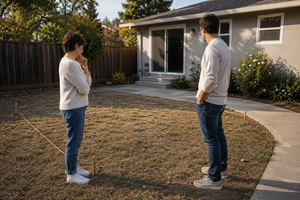
The cost of awning installation can vary because the project is usually shaped by more than the awning itself. Size, material, mounting location, structural conditions, access, operating style, and the amount of preparation required can all affect the scope. For Sacramento-area homeowners, the most useful comparison is often not which quote is lowest, but what each quote actually includes.
That is why two awning projects that appear fairly similar at first can lead to noticeably different estimates. A simple fixed awning over one accessible window is a different project from a wide retractable awning covering a large patio, even if both are intended to provide shade.
Understanding the major cost factors can make estimates easier to evaluate without requiring you to become an awning expert yourself.
The Awning Is Only One Part Of The Project
It is easy to think of awning installation primarily as a product purchase: choose an awning, find out what it costs, and add installation.
In practice, the installation is connected to the property.
A provider may need to consider where the awning will be mounted, how large an area it needs to cover, how accessible that location is, what type of operating system is involved, and whether anything around the installation area affects the proposed work.
Those details create the actual project scope.
This distinction matters when comparing estimates. A lower quote is not automatically a better value if it covers a narrower scope than another quote.
Size And Coverage Can Change More Than Material Cost
The width and projection of an awning can influence the overall project in several ways.
A small awning intended to shade one window is different from an awning designed to extend across a substantial section of a patio, deck, storefront, or exterior wall. A larger installation may involve more material, different supporting components, and a different installation approach.
The number of awnings matters as well.
Installing one awning over a single opening is not necessarily comparable to installing several awnings across multiple windows or outdoor areas.
Before comparing quotes, make sure each provider is pricing the same number of awnings and approximately the same coverage area.
Fixed And Retractable Awnings Create Different Project Scopes
How the awning operates can also affect the installation.
A fixed awning generally has a different set of components and installation requirements from a retractable system. Retractable awnings can also vary depending on whether they are manually operated or incorporate powered features.
Optional controls or related electrical considerations can add another part to the project when those features are included.
This does not mean one type is automatically the better choice. It means estimates make more sense when you know which operating style and features each provider has included.
A quote for a basic fixed system and a quote for a powered retractable system are not two prices for the same thing.
The Mounting Location Can Affect The Work Required
An awning ultimately has to connect to the building or another appropriate supporting location, so the proposed mounting area can influence the scope.
Different homes and buildings have different exterior materials, architectural details, elevations, and existing conditions. Even two areas on the same property may present different installation considerations.
The condition and suitability of the proposed mounting area are therefore worth discussing before treating an estimate as final.
You do not need to determine structural requirements yourself. A qualified professional can evaluate the location and explain whether the proposed installation involves any additional considerations.
What matters as a consumer is understanding whether that evaluation is reflected in the quote.
Access Can Make A Straightforward Project More Involved
Where the awning is located can matter almost as much as what is being installed.
A ground-level installation with an open working area may present different access considerations from an upper-level location, a narrow side yard, a confined courtyard, or an area surrounded by landscaping or other property features.
Access may also affect how materials reach the installation location.
For example, a large awning intended for a backyard may need to travel through a side passage or gate before reaching the work area.
These circumstances do not automatically indicate that a project will be unusually expensive. They are simply examples of why seeing the actual installation area can be important when developing an accurate scope.
Existing Features Around The Awning Area May Matter
The proposed awning does not exist in isolation from the rest of the exterior.
Doors, windows, trim, lighting, drainage components, rooflines, architectural features, landscaping, and other nearby elements can influence how straightforward the proposed location is.
Sometimes the installation area may be relatively open. In another location, a provider may need to account for several existing features when planning the work.
An estimate that reflects those conditions may therefore look different from one based on a simpler installation area.
This is one reason photographs and general dimensions can be useful for an initial conversation while an on-site evaluation may provide additional context before a project is approved.
Removing An Existing Awning Can Add To The Scope
Not every installation starts with an empty wall.
If an existing awning is being replaced, ask whether removal of the current awning is part of the quoted work.
Removal, handling of the existing components, and any related preparation are separate considerations from simply installing a new awning on an otherwise ready location.
This can create confusion when one provider includes removal in a quote and another assumes the homeowner will address it separately.
The total numbers may appear easy to compare while the actual scopes are different.
Material And Customization Choices Can Influence The Estimate
Awning systems can vary in materials, construction, finishes, dimensions, and optional features.
Those choices can affect more than appearance.
A custom configuration may have a different project scope from a more standard configuration, particularly when dimensions, operating mechanisms, or other features are tailored to a specific exterior area.
Sacramento-area homeowners may naturally think about sun exposure and the amount of shade they want when considering an awning. Those practical goals can help define the appropriate size and configuration before comparing estimates.
The important question is not simply, “How much does an awning cost?”
A more useful question is, “What type of awning and installation is this estimate actually pricing?”
Quote Differences Often Make More Sense Once The Scope Is Clear
One of the easiest mistakes to make is comparing only the final numbers on two estimates.
Suppose one quote includes the awning, mounting hardware, installation, removal of an existing awning, and an upgraded operating system. Another quote covers a simpler awning and basic installation only.
The price difference may be real, but it does not necessarily tell you which provider is more or less expensive for equivalent work.
You first need to know whether the work is equivalent.
A detailed estimate does not need to be complicated. It simply needs to give you enough information to recognize what you are agreeing to purchase.
A Few Questions Can Make Estimates Easier To Compare
When reviewing an awning installation estimate, useful questions can include:
- What size and type of awning is included?
- Is the awning fixed, manually retractable, or powered?
- What installation work is included in the quoted price?
- Does the quote account for the actual mounting location and access?
- Is removal of an existing awning included, if applicable?
- Are there optional features or additional work that could change the final scope?
The purpose of these questions is not to make the conversation more technical. It is to establish a common baseline so you can compare proposals more fairly.
The Most Useful Price Is The Price For The Scope You Actually Want
Awning installation costs can vary because awning projects themselves vary.
Size, number of awnings, operating style, customization, mounting conditions, access, existing features, removal work, and other project-specific details can all influence what is involved.
That means the lowest number by itself may tell you very little.
Before hiring an awning installer, look closely enough at each estimate to understand what is included and whether the providers you are comparing are pricing substantially the same project. Once the scope is clear, the cost comparison becomes much more meaningful.