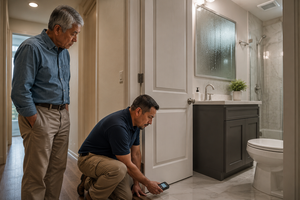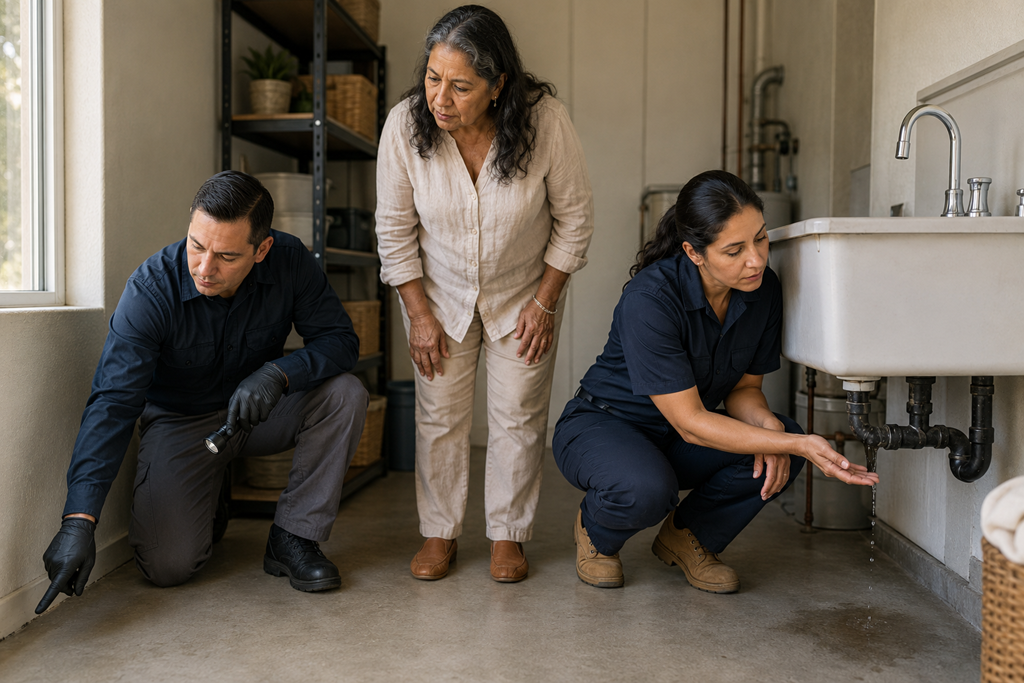
Moisture problems can contribute to pest activity because many insects and rodents are drawn to places that provide water, shelter, softened materials, or a steady food source. A slow leak, damp crawl space, clogged drainage area, or repeated condensation may not create a pest problem by itself, but it can make a property easier for pests to enter, remain, and reproduce.
This connection can be easy to miss. A homeowner may notice ants near a sink, insects in a bathroom, or recurring activity around one side of the house and assume the issue is limited to pest control. In some cases, however, the visible pests are only one part of the situation. Moisture may be helping create the conditions that keep drawing them back.
Pests Often Follow the Conditions They Need
Pests do not enter a property for only one reason. They may be searching for food, warmth, nesting space, protection, or access to water.
Moisture can make several of those needs easier to meet at the same time. Damp wood may become softer or more vulnerable. Wet soil near a foundation can create a more favorable environment for certain insects. Condensation inside a cabinet may provide a reliable water source. Standing water outdoors can support mosquito activity.
Even a small moisture problem can matter when it remains in the same place over time. A few drops beneath a pipe may seem minor to a person, but they may provide enough water to support insects that need very little.
The important clarification is that moisture does not automatically mean a property has pests. It simply means the environment may be more supportive of pest activity than it would be if the area remained dry.
The Visible Pest May Not Reveal the Full Source
It is natural to focus on the place where pests are seen. Ants may appear along a counter. Cockroaches may be noticed near an appliance. Silverfish may show up in a bathroom. Mosquitoes may seem concentrated around a patio.
The conditions supporting that activity may be somewhere nearby but less obvious.
A pest entering beneath a sink may be responding to condensation farther inside the cabinet. Activity around a wall could be connected to damp materials behind it. Outdoor insects near a doorway may be benefiting from an irrigation leak or drainage problem along the same side of the property.
This is one reason a useful pest inspection should involve more than identifying the insect. The provider should also consider what may be attracting it and whether there are property conditions that could make treatment less effective over time.
Different Moisture Problems Can Support Different Patterns
Moisture-related pest activity does not always look the same.
A plumbing leak may create a concentrated damp area beneath a fixture or inside a cabinet. Poor drainage may repeatedly wet soil near the building. Condensation can develop in bathrooms, utility spaces, or around cooling equipment. Damaged exterior materials may allow rainwater to enter areas that normally remain dry.
These conditions may be associated with different pests depending on the location, access points, temperature, food sources, and condition of the property.
For example:
- Ants and cockroaches may use small, consistent water sources indoors.
- Silverfish and similar insects are commonly associated with damp, protected spaces.
- Mosquito activity may increase around containers, drains, or low areas that retain water.
- Some wood-damaging pests may be more likely to remain around damp or deteriorating materials.
- Rodents may use moisture-damaged openings or sheltered utility areas as access and nesting locations.
A pest-control provider should be able to explain the suspected connection without treating every damp area as proof of a particular infestation.
Treatment Alone May Not Change the Underlying Conditions
A pest treatment can reduce or control current activity, but it does not necessarily repair a leak, improve drainage, remove damaged materials, or correct repeated condensation.
That distinction affects expectations.
When moisture continues after treatment, the area may remain attractive to the same pest or to a different one. The treatment may still have been performed correctly, but one of the conditions supporting the activity has not changed.
This does not mean every pest concern requires a major home repair. Sometimes the moisture source is limited and straightforward. In other situations, further evaluation from a plumber, drainage professional, restoration specialist, roofer, or another qualified provider may be appropriate.
The pest professional’s role is generally to identify and manage the pest activity. Another professional may be needed to determine why the moisture is present and what kind of correction is suitable.
Recurring Activity Deserves a Wider Look
One isolated pest sighting does not always point to a moisture problem. Recurring activity in the same damp location is more informative.
Sacramento-area homeowners and renters may want to pay closer attention when pests repeatedly appear:
- Beneath the same sink or appliance
- Near a visibly damp baseboard or cabinet
- Around a dripping outdoor fixture
- Beside an area where water regularly collects
- Near a crawl-space, attic, garage, or utility area with persistent moisture
- After the surface has been cleaned but the dampness remains
The pattern matters because it can help a provider distinguish between a temporary visitor and conditions that may be supporting ongoing activity.
Photographs of the area, notes about where pests appear, and information about known leaks can help make an inspection more focused. The goal is not to diagnose the problem yourself. It is to give the provider a clearer starting point.
Not Every Provider Evaluates Moisture the Same Way
Pest-control estimates may differ because providers are not always assessing the same scope.
One provider may focus primarily on eliminating the pest that is currently visible. Another may include a broader inspection of entry points and environmental conditions. A third may recommend that a moisture issue be evaluated before or alongside treatment.
Before comparing estimates, it helps to understand what each provider has actually examined.
A lower quote may cover a limited treatment area without addressing why the pests are appearing there. A more detailed proposal may include monitoring, exclusion recommendations, follow-up visits, or coordination with another type of home-service professional.
Neither approach should be judged by price alone. The useful question is whether the proposed service matches the conditions on the property and the outcome the homeowner expects.
Questions That Can Clarify the Connection
When moisture and pest activity appear in the same area, a few direct questions can make the provider’s explanation easier to evaluate:
- Do you see evidence that moisture may be supporting this activity?
- Is the proposed service intended to manage the current pests, the entry points, or both?
- Could the activity return if the damp condition remains?
- Does the moisture source need to be evaluated by another qualified professional?
- What observations led you to this recommendation?
A reliable provider should be able to separate confirmed findings from possibilities. Be cautious when someone makes a dramatic claim without showing what was observed or explaining why it matters.
A Better Decision Starts With Understanding Both Problems
When pests and moisture appear together, it is helpful to think of them as connected concerns rather than automatically treating them as one service problem.
Pest control may be needed to manage the active infestation. Moisture correction may be needed to make the area less supportive of future activity. Depending on the property, those services may be performed by different professionals and may require separate estimates.
Before hiring a Sacramento-area pest-control provider, ask whether the inspection considered water sources, damp materials, drainage conditions, and recurring patterns near the affected area. Understanding whether the proposal addresses only the visible pests or also accounts for the conditions attracting them can lead to more realistic expectations and a better-informed service decision.