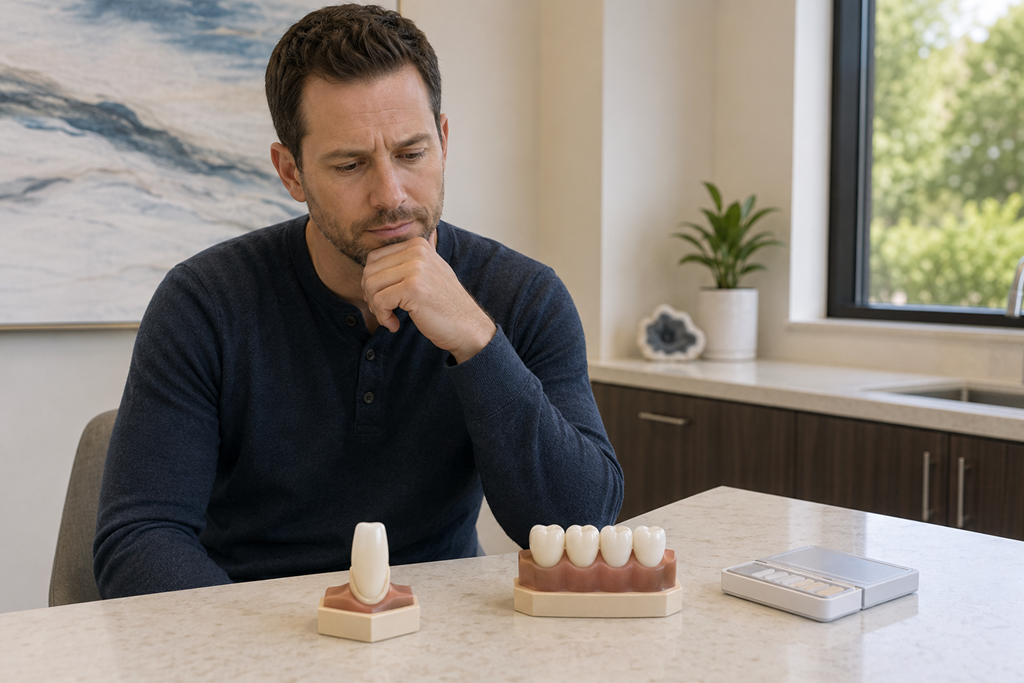
The cost of cosmetic dentistry can vary because the price is often shaped by more than the name of the procedure. The number of teeth involved, the condition of your teeth and gums, the materials being considered, the complexity of the work, and whether other dental care is needed first can all affect what a treatment plan includes. For Sacramento-area patients, the most useful comparison is usually not just the total price, but what each proposed plan actually covers.
That can make cosmetic dentistry pricing confusing at first. Two people may ask about what sounds like the same cosmetic improvement yet receive very different recommendations. Even two treatment plans using the same general procedure name may not involve the same amount of work.
Understanding why those differences can happen makes it easier to have a more useful conversation with a dentist before deciding how to proceed.
The Procedure Name Is Only The Starting Point
It is easy to assume that a procedure should have one predictable cost simply because it has a recognizable name.
In practice, the procedure name may describe only the general type of treatment being discussed. The actual plan can depend on how many teeth are involved, where those teeth are located, the degree of customization being considered, and other details specific to the patient.
A cosmetic change involving one tooth, for example, is not automatically comparable to a plan involving several teeth simply because both plans use the same general treatment category.
That is why asking, “How much does this procedure cost?” may provide less useful information than asking what would actually be included in a proposed plan for your situation.
The Number Of Teeth Can Change The Scope
One of the clearest factors is how much of the smile is being addressed.
A person may initially be concerned about one particular tooth but later discuss whether neighboring teeth should also be considered for appearance, proportion, color matching, or other reasons. Another person may already be considering a broader cosmetic change involving several teeth.
Those are different scopes of care.
More teeth can mean more materials, more planning, additional customization, or additional clinical time. It does not mean that a broader plan is automatically necessary or appropriate. That is something a qualified dentist should discuss with the patient based on the individual situation.
For someone comparing cosmetic dentistry options, understanding the number of teeth included in each proposal can therefore be more revealing than comparing the procedure names alone.
What Is Already Going On With Your Teeth Matters
A cosmetic goal does not exist separately from the condition of the teeth and gums involved.
Before recommending cosmetic treatment, a dentist may need to consider whether there are existing dental concerns that could influence treatment planning. In some situations, additional dental care may need to be discussed before cosmetic work is considered.
That can change both the scope of the plan and the overall cost.
This is also one reason another person's experience may not be a reliable pricing comparison. Two people can want a similar visual result while starting from very different dental situations.
A qualified dental provider can explain how your individual dental health, candidacy, possible risks, and treatment options relate to the cosmetic result you are considering.
Materials And Customization Can Affect The Plan
Cosmetic dentistry can involve different materials and different levels of customization depending on the treatment.
Material selection may affect appearance, durability considerations, fabrication, and how the restoration or cosmetic work is designed to fit with the surrounding teeth. Some treatments may also involve work completed by an outside dental laboratory or other fabrication steps.
The important consumer question is not simply whether one material costs more than another.
It is why a particular material or approach is being recommended for your situation and what tradeoffs the dentist believes are worth considering.
When comparing treatment plans, ask whether the proposed materials are the same or meaningfully different before assuming two prices represent equivalent services.
Some Of The Work Happens Before The Cosmetic Treatment
The visible cosmetic change may be the part patients naturally focus on, but treatment planning can involve additional work before anything is completed.
Depending on the situation and provider, a proposed plan may involve an examination, diagnostic records, photographs, impressions or scans, treatment planning, laboratory coordination, or other preparation.
Not every plan includes the same components, and providers may package or itemize services differently.
That can create a situation where one quote looks lower simply because fewer elements are included in the initial figure.
Before comparing totals, it can help to understand whether you are looking at two genuinely comparable plans.
The Complexity Of The Individual Case Can Matter
Two cosmetic concerns that look similar to a patient may not present the same planning considerations to a dentist.
The position and shape of the teeth, the relationship between neighboring teeth, the patient's bite, the desired cosmetic change, and other clinical considerations can affect how straightforward or complex a proposed treatment may be.
Complexity can influence planning time, treatment time, materials, laboratory work, or the number of appointments being discussed.
This does not mean patients need to understand every technical detail themselves. It means that when one proposed treatment is substantially different in price from another, asking what makes the plans different can be more useful than assuming one provider is simply charging more.
What The Quoted Price Includes Deserves Attention
A total can be difficult to evaluate without understanding what sits behind it.
One provider's proposed fee may include certain planning, temporary work, laboratory services, follow-up visits, or other components, while another provider may structure those items differently.
Rather than assuming every quote includes the same things, ask the provider to explain what is included and what could be separate.
That distinction becomes especially useful when comparing Sacramento-area cosmetic dentistry providers. A lower number and a higher number may represent different scopes rather than two prices for identical care.
Provider Differences Can Also Affect Pricing
Dental practices do not all operate the same way.
Providers can differ in their treatment approaches, training and experience, materials, laboratory relationships, technology, appointment structure, and how they organize their fees.
Those differences can affect pricing, but price by itself does not tell you which provider or treatment approach is right for you.
The goal is not necessarily to find the lowest or highest fee. It is to understand the recommendation well enough to evaluate whether the proposed treatment, provider, expectations, and cost make sense together.
A Few Questions Can Make A Cost Discussion More Useful
If you are discussing cosmetic dentistry with a provider, a few direct questions can make the proposed cost easier to understand:
- What exactly is included in this treatment plan?
- How many teeth are included?
- Are there different materials or treatment approaches to consider?
- Is any additional dental care being recommended before the cosmetic treatment?
- Are laboratory, planning, temporary, or follow-up services included in the quoted amount?
- What could cause the final scope or cost to change?
These questions are not meant to replace a dentist's professional judgment. They simply help you understand what you are being asked to consider.
A Lower Price Does Not Always Mean The Same Plan For Less
One of the easiest mistakes is comparing totals before comparing scope.
If one treatment plan covers fewer teeth, uses a different material, excludes certain services, or takes a different clinical approach, its lower cost may simply reflect a different proposal.
The reverse is also important. A higher price does not automatically mean a plan is better.
The useful comparison is between what is being recommended, why it is being recommended, what is included, and what you should realistically expect from the proposed treatment.
Understanding The Scope Makes The Price Easier To Evaluate
Cosmetic dentistry costs can vary because cosmetic treatment is individualized rather than defined entirely by a procedure name.
The number of teeth involved, existing dental considerations, materials, customization, treatment complexity, planning needs, and what a provider includes in the proposed fee can all influence the final scope.
If you are considering cosmetic dentistry in the Sacramento area, focus first on understanding the plan you are actually being offered. Once you know what is included and why, comparing costs becomes much more meaningful.
For questions about your dental health, candidacy, treatment choices, risks, expected results, or personal circumstances, discuss them with a qualified dental professional who can evaluate your specific situation.