Before meeting with a liposuction surgeon, it helps to bring a clear picture of your goals, relevant medical information, current medications and supplements, past procedures, and a short list of questions about the procedure, recovery, risks, and expectations. The goal is not to decide for yourself whether liposuction is right for you. It is to give the surgeon enough context to discuss your situation responsibly and help you understand what you would need to consider before making a decision.
For many patients, the hardest part of preparing for a cosmetic surgery consultation is not knowing how much information is useful. Some arrive with only a general idea of what they want to change. Others bring so much research that it becomes difficult to separate personal priorities from everything they have read or seen elsewhere.
A little organization can make the conversation more useful without turning preparation into a medical project of its own.
Start With What You Hope To Discuss
You do not need to arrive with medical terminology or a predetermined treatment plan.
It is usually more useful to be able to explain, in your own words, what is prompting the consultation. You might be interested in discussing a particular area, understanding what liposuction can and cannot reasonably address, or learning whether your expectations match what the procedure is intended to do.
Try to distinguish between a general goal and an expected result.
For example, wanting to discuss changes in body contour is different from assuming that a particular procedure will produce an exact appearance. A qualified surgeon can explain what may or may not be realistic for your individual circumstances.
That distinction can also make it easier to evaluate how a surgeon communicates. A useful consultation should help you understand the possibilities and limitations rather than simply reinforce an outcome you already have in mind.
Have Your Health Information Available
A cosmetic consultation is still a medical consultation.
Be prepared to provide accurate information about your health history, previous surgeries or procedures, medications, supplements, allergies, and other information the surgeon requests.
You do not need to interpret that information yourself. Your role is to provide it as accurately as you can so the surgeon can determine what is relevant.
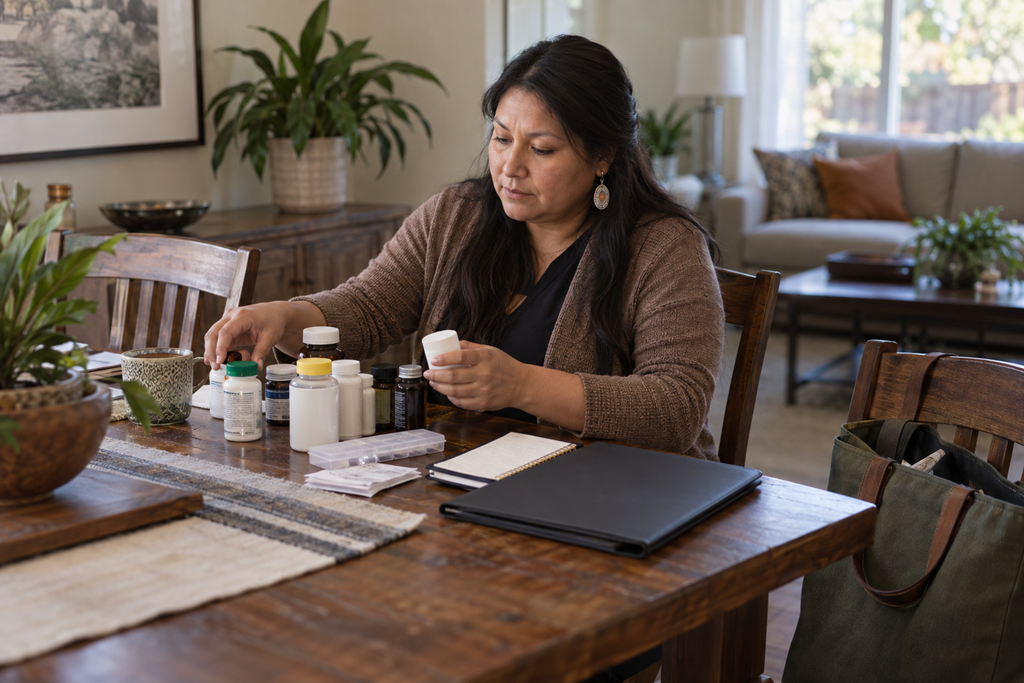
If you take several medications or supplements, having an up-to-date written list can be easier than trying to remember everything during the appointment. Do not stop, start, or change medications or supplements based on general information you have read. Questions about those decisions should be discussed with an appropriate medical professional.
Previous medical or cosmetic procedure records may also be useful when they relate to the area or issue being discussed. If you are unsure whether particular records matter, you can ask the surgeon's office what information they would like you to bring.
Write Down The Questions You Do Not Want To Forget
Consultations can cover a lot of information in a relatively short conversation.
Questions that seemed obvious at home can be surprisingly easy to forget once you are discussing medical history, procedural options, recovery, risks, and expected outcomes.
A short written list can help.
The purpose is not to create an interrogation or work through dozens of questions. Focus on the points that would genuinely affect whether you feel informed enough to consider the next step.
Useful questions may include:
- What would you need to evaluate before determining whether liposuction may be appropriate for me?
- What limitations should I understand based on the goals I described?
- What risks and possible complications should we discuss?
- What factors can affect recovery and the return to ordinary activities?
- What responsibilities would I have before and after the procedure?
- What should I understand about the proposed fees and what they include?
You may leave the consultation with additional questions. That is normal. A consultation is an opportunity to gather information, not a requirement to reach an immediate decision.
Think About How Recovery Would Fit Into Everyday Life
Preparation is not limited to medical paperwork.
It can also help to think about the ordinary responsibilities you would want to discuss if surgery became a serious consideration. Work, caregiving, transportation, household responsibilities, exercise, travel, and other routine activities may influence the questions you have about recovery.
You do not need to create your own recovery schedule before the consultation. Instead, identify the parts of your normal routine that matter to you and ask the surgeon how their recommendations could affect them.
For a Sacramento-area patient balancing work, family, and other responsibilities, this can make the conversation more practical. Rather than asking only, “How long is recovery?” you can discuss what recovery may mean for the activities you actually need or want to resume.
Because recovery varies by patient and procedure, a surgeon who has evaluated you is the appropriate person to discuss your specific situation.
Bring Reference Images Carefully, If You Use Them At All
Some patients find it easier to explain an aesthetic preference with photographs.
If you choose to bring reference images, think of them as communication aids rather than examples of a result that can be duplicated. Bodies, anatomy, skin, medical history, procedural decisions, and healing are individual.
The more useful conversation is often about what you like about a particular appearance and whether that preference relates realistically to your own circumstances.
A surgeon should be able to discuss expectations without promising that another person's appearance can be reproduced.
Do Not Feel Pressure To Arrive With A Decision Already Made
One common misunderstanding is that scheduling a consultation means you are already committed to having a procedure.
It does not have to.
The meeting can simply be part of gathering information. You can use it to understand the surgeon's approach, how clearly questions are answered, what risks and limitations are discussed, and whether you feel comfortable with the communication.
That can be particularly important when comparing Sacramento-area cosmetic surgery providers. The consultation gives you an opportunity to evaluate more than the procedure itself.
Pay attention to whether the discussion leaves room for questions and realistic expectations. If important concerns are brushed aside, explanations remain unclear, or you feel pushed toward a decision before you understand what is being proposed, those are reasonable reasons to slow down and seek additional information.
More Preparation Does Not Mean More Research
It is easy to assume that being prepared means reading everything you can find about liposuction before the appointment.
Research can help you develop questions, but it cannot replace an individualized medical evaluation.
Online experiences, photographs, recovery stories, and general explanations describe other people's circumstances. They cannot establish your candidacy, predict your recovery, or tell you what result you would have.
Useful preparation is usually simpler: know what you want to discuss, organize relevant information, identify the questions that matter to you, and be ready to listen carefully to the answers.
A Better Consultation Starts With Useful Context
Preparing for a liposuction consultation does not require you to solve the medical decision before you arrive.
Bring accurate health information, a clear description of what you hope to discuss, relevant records when requested, and a manageable list of questions. Think about the practical parts of your life that could matter if you eventually considered surgery.
Then use the consultation for what it is meant to provide: an individualized discussion with a qualified professional who can address candidacy, risks, expectations, recovery, and other medical considerations based on your specific situation.
That preparation can make it easier to compare providers thoughtfully and decide whether you have enough information to consider what comes next.