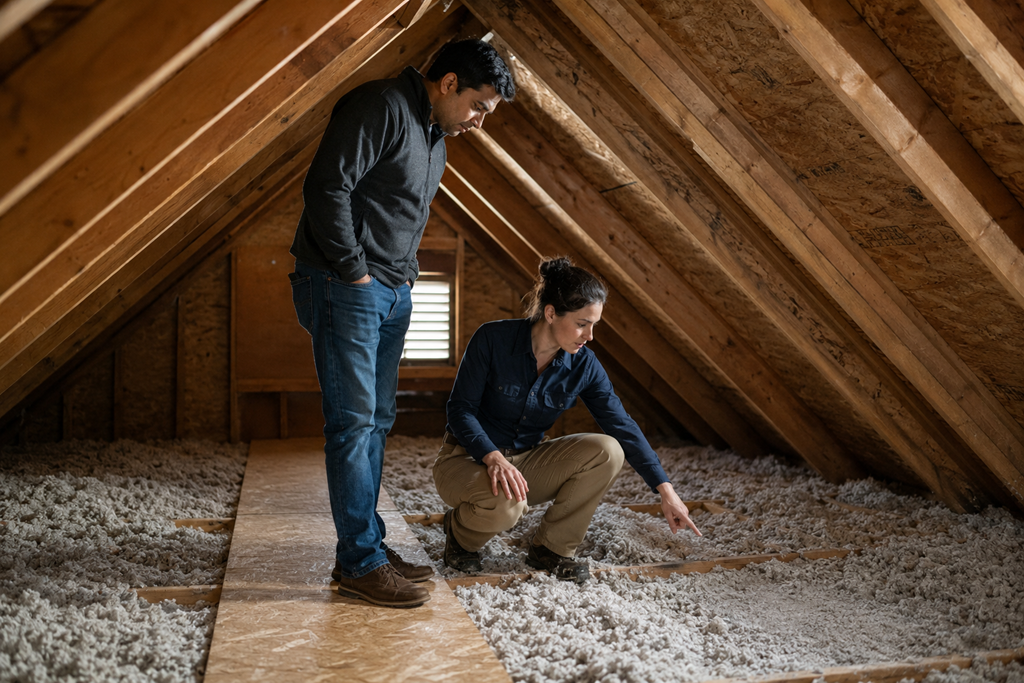
Adding attic insulation can be a smart upgrade, but the best first step is understanding what problem you are trying to solve. For Sacramento-area homeowners, attic insulation is often discussed when rooms feel uneven, energy use seems harder to manage, or an older home does not feel as comfortable as expected. Before comparing estimates, it helps to know that insulation is only one part of how the attic affects the home.
Attic insulation is usually about comfort, not just thickness
Many homeowners start with a simple thought: the attic probably needs more insulation. That may be true, but the bigger question is whether the attic is helping or hurting the way the home feels day to day.
Rooms below an attic can feel hotter, colder, draftier, or less stable than the rest of the house. In Sacramento-area homes, attic conditions may be especially noticeable during stretches of heat, after cooler nights, or in rooms that already struggle with airflow or sun exposure. Adding insulation may help, but the right conversation usually starts with the full attic condition, not just the amount of material present.
A qualified insulation professional may look at existing insulation depth, gaps, settling, uneven coverage, attic access points, air leaks, ventilation concerns, moisture signs, and whether older material appears disturbed or ineffective. The goal is not just to add more material. The goal is to understand whether the attic is properly separating the living space from the attic space.
The problem may show up in ordinary rooms
The signs that lead people to ask about attic insulation are often practical and familiar. An upstairs bedroom may feel harder to keep comfortable. A hallway may feel noticeably warmer near the ceiling. A room over a garage may never seem to match the rest of the house. The air conditioner or heater may run, but the comfort problem still feels uneven.
That experience can be frustrating because the attic is out of sight. Homeowners may notice the room problem long before they understand what is happening above it.
This is why attic insulation decisions are rarely just about the attic. They are about how the home feels in the spaces people actually use: bedrooms, hallways, living rooms, nurseries, home offices, and other everyday areas.
More insulation is not always the whole answer
One common misunderstanding is that adding attic insulation automatically solves every comfort issue. Insulation matters, but it works best when the surrounding conditions are also considered.
For example, insulation can be less effective when there are gaps around attic penetrations, poorly sealed access points, uneven coverage, compressed material, or signs of moisture. In some homes, airflow, duct location, window exposure, or HVAC performance may also affect comfort. That does not mean attic insulation is unimportant. It means the insulation conversation should not be treated as a one-size-fits-all fix.
Before hiring, it helps to ask whether the estimate is based on a real attic evaluation or only on a general recommendation. A clearer estimate should explain what the professional observed, what they recommend adding or changing, and what limits the homeowner should understand.
Existing attic conditions can affect the project
Before new insulation is added, the condition of what is already in the attic matters. Some insulation may be thin, uneven, shifted, compacted, or missing in certain areas. Other areas may show evidence of past work, foot traffic, air movement, pests, roof leaks, or disturbed material.
A homeowner does not need to diagnose these issues alone. In fact, attic spaces can be unsafe or difficult to evaluate without proper training and equipment. But it is reasonable to expect a provider to explain what they see in plain language.
When reviewing an estimate, look for whether the provider discusses the attic as it actually exists. A vague recommendation to “add insulation” may leave out important context. A more useful conversation explains why the recommendation fits the home, what areas are being addressed, and whether anything should be corrected before new material is installed.
The estimate should make the scope easy to understand
Attic insulation estimates can become confusing when the scope is unclear. Homeowners may receive different recommendations from different providers and wonder why the prices, materials, or project descriptions do not match.
Some of that variation can be normal. Providers may recommend different insulation types, coverage levels, air sealing discussions, access approaches, or preparation steps. The issue is not that every estimate must look identical. The issue is whether the estimate explains enough for the homeowner to compare it fairly.
A useful estimate should help you understand what areas are included, what material is being proposed, whether old insulation is staying or being removed, whether air sealing is part of the scope, how attic access will be handled, and what the provider is not including.
If the estimate is hard to follow, that is a reason to ask for clarification before committing.
Questions worth asking before hiring
A few direct questions can make the conversation much easier:
What did you notice about the current insulation?
This helps separate a real attic evaluation from a general sales recommendation.
Are there gaps, compressed areas, or uneven sections?
Uneven coverage can matter because comfort problems are often tied to specific rooms or attic areas.
Is air sealing being discussed separately from insulation?
Some providers may include it, some may not, and some may recommend it only in certain situations.
Does anything need to be addressed before new insulation is added?
This can include moisture concerns, access limitations, disturbed material, or other attic conditions.
What will be included in the written estimate?
A clear written scope helps you compare providers without relying only on memory or verbal explanations.
Be careful with rushed recommendations
A rushed insulation recommendation can leave homeowners uncertain about what they are actually buying. Red flags may include vague explanations, pressure to decide quickly, unclear material descriptions, no discussion of existing attic conditions, or an estimate that does not match what was discussed in person.
This does not mean every project has to be complicated. Some homes may need a straightforward insulation upgrade. But even a simple project should be explained clearly enough that the homeowner understands the reason for the work.
The best conversations help you connect the recommendation to the comfort issue you noticed in the first place.
A better attic insulation decision starts with the right conversation
Before adding attic insulation, focus on the problem, the attic condition, and the scope of work. More insulation may be helpful, but the most useful estimate explains why it is being recommended and how it relates to the way your home feels.
For Sacramento-area homeowners, the goal is not to become an insulation expert. The goal is to ask better questions, understand what is being proposed, and feel prepared before comparing local providers or scheduling the work.