Cleaning a roof is not simply a matter of choosing a strong cleaner and removing whatever looks dirty. Tile, asphalt shingle, and composite roofing can respond differently to water pressure, cleaning products, foot traffic, and treatment methods, so the safest starting point is understanding what material you have and asking how a provider plans to clean it without causing avoidable wear.
For homeowners, the confusing part is that roof cleaning can look straightforward from the ground. You see discoloration, buildup, streaks, or patches that make the roof look tired, and it is natural to think the main question is how to get them off. The more useful question is whether the proposed cleaning approach makes sense for the particular roof surface.
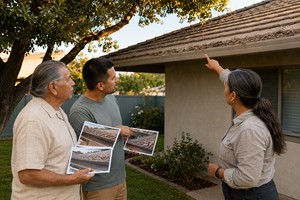
That distinction can help you have a much better conversation with a Sacramento-area roof cleaning provider before work begins.
The Roofing Material Changes the Cleaning Conversation
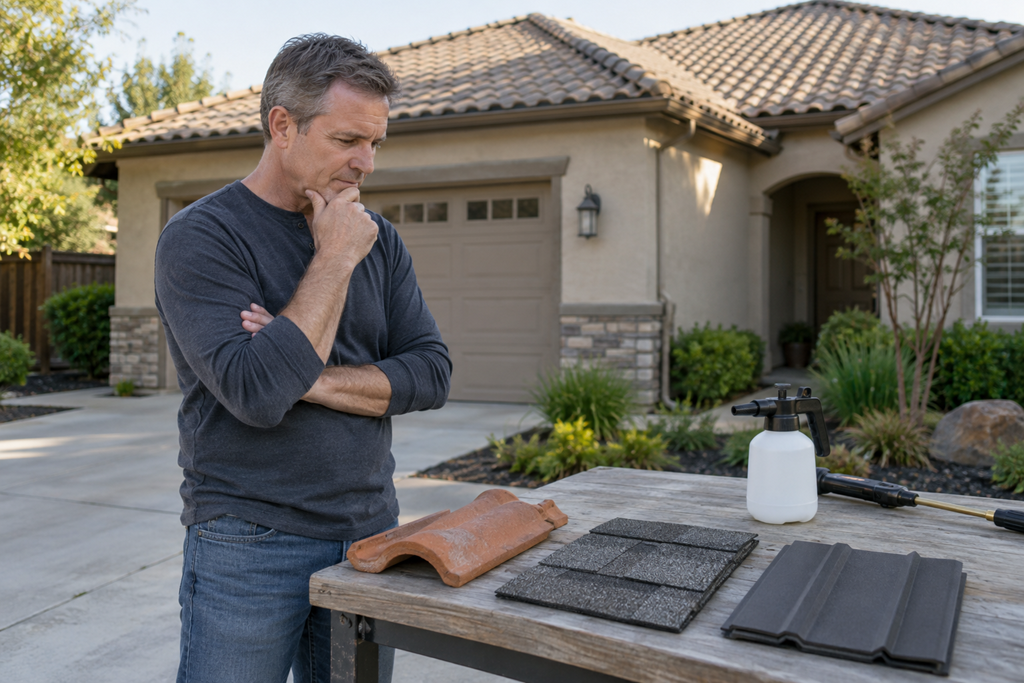
Tile, asphalt shingle, and composite roofs do not all behave the same way.
Tile roofing has hard individual pieces that may seem highly durable, but the condition of the tiles, how the roof is accessed, and how cleaning equipment is used can still matter. Walking patterns and concentrated force can also become part of the discussion.
Asphalt shingles have a textured surface that is different from tile. Aggressive physical cleaning or excessive pressure may affect the surface rather than simply removing what is on top of it.
Composite roofing is an especially broad description. Different products may have different surface materials, finishes, construction, and manufacturer recommendations. A provider should not assume that every roof described as “composite” should be treated identically.
You do not need to become a roofing-material expert yourself. You do want the person proposing the cleaning to recognize what is on the roof and explain why the planned approach fits it.
A Dirty-Looking Roof Does Not Automatically Tell You How It Should Be Cleaned
One reason homeowners can feel uncertain is that several different roof conditions may simply look like “dirt” from the ground.
A roof may have ordinary dust and debris, darker staining, buildup in shaded areas, organic growth, or a combination of conditions. Sun exposure, seasonal moisture, nearby vegetation, and the shape of the roof can also make some areas look different from others.
The appearance tells you that the roof may be worth evaluating. It does not, by itself, tell you which cleaning method should be used.
That is an important distinction when comparing local providers. A convincing explanation should connect the visible condition with the roofing material and the proposed treatment instead of treating every discolored roof as the same problem.
More Pressure Is Not Necessarily More Cleaning
Homeowners sometimes associate stronger water pressure with a more thorough job. That logic may make sense for certain hard outdoor surfaces, but a roof deserves a more careful discussion.
The goal is not simply to remove visible buildup as forcefully as possible. The provider also has to consider the roofing surface underneath it.
When discussing a cleaning method, ask what role water pressure plays and why that level of force is appropriate for your particular roofing material.
A useful answer should be understandable without turning into a technical lecture. The provider should be able to explain the reasoning behind the method, not just tell you that it is the way they always clean roofs.
Cleaning Products Deserve the Same Attention as Equipment
Water pressure is only one part of the conversation.
A provider may also use a cleaning or treatment product depending on the roof surface and what is being addressed. Before agreeing to the service, it is reasonable to ask what will be applied, what the provider expects it to accomplish, and why it is appropriate for that roof material.
You can also ask how nearby landscaping, exterior finishes, gutters, drainage areas, or other surrounding surfaces will be considered during the work.
You are not trying to select or mix cleaning products yourself. The purpose of these questions is to understand the provider's approach and whether the process has been thought through beyond simply making the roof look cleaner.
How the Roof Will Be Accessed Can Matter Too
The cleaning method is only part of the project. The way the roof will be reached and moved across may also deserve attention.
Some roofs can be worked on partly from ladders or other positions, while other situations may require a provider to access portions of the roof surface. Roof shape, slope, material, condition, and surrounding property layout can affect that plan.
For tile in particular, homeowners may want to know how the provider approaches movement across the roof and how unnecessary contact with the roofing surface is minimized.
You do not need instructions about where someone should step or how equipment should be positioned. That is the provider's responsibility.
What matters before hiring is whether access has been considered as part of the service rather than treated as an afterthought.
Existing Roof Problems and Cleaning Are Separate Issues
Cleaning can improve the appearance of a roof, but it is not the same thing as repairing roofing materials.
If there are already cracked or displaced tiles, visibly worn areas, missing shingles, loose materials, damaged flashing, or another concern about the roof itself, cleaning may not resolve that underlying issue.
This is where expectations matter.
A roof cleaning provider should be able to explain what the cleaning service is intended to address and what falls outside its scope. If the condition of the roof raises a repair or structural concern, evaluation by an appropriately qualified roofing professional may be the better conversation before cleaning proceeds.
This separation helps prevent an appearance problem and a roofing-condition problem from being treated as though they are automatically the same thing.
A Clear Estimate Should Explain More Than the Final Price
When comparing roof cleaning estimates, the lowest number does not tell you whether two providers are proposing the same service.
One provider may be describing a particular treatment for the roofing material, while another may be approaching the project differently. The expected scope, access plan, surrounding-property precautions, and treatment of specific areas may also vary.
Before comparing the totals, try to understand what each provider is actually proposing.
A few useful questions include:
- What roofing material do you believe this is?
- What cleaning method do you plan to use, and why does it fit this material?
- Will anyone need to walk on the roof during the service?
- What cleaning or treatment products, if any, will be used?
- How will nearby landscaping and exterior surfaces be considered?
- Are there existing roof conditions that should be evaluated before cleaning?
- What should I realistically expect the roof to look like after the service?
The purpose is not to interrogate the provider. It is to make sure you understand what you are paying for and what assumptions are being made about your roof.
Be Cautious When Every Roof Gets the Same Explanation
One pattern worth noticing is a provider who describes the cleaning process exactly the same way regardless of whether the roof is tile, asphalt shingle, or another composite material.
Consistency can be a good thing, but a one-size-fits-all explanation may leave important questions unanswered.
Other reasons to ask for clarification include vague answers about pressure, no discussion of the roofing material, uncertainty about what products will be applied, or an estimate that promises an appearance outcome without explaining the scope behind it.
None of these details automatically tells you whether a provider is right or wrong for the job. They simply give you useful areas to clarify before committing.
The Better Question Is Whether the Method Fits the Roof
For Sacramento-area homeowners, roof cleaning decisions can become easier once the focus shifts away from simply asking how quickly the roof can be made to look clean.
Start with the roofing material. Then look at the visible condition, the proposed cleaning method, how the roof will be accessed, what surrounding areas need consideration, and what the service is actually expected to accomplish.
Tile, asphalt shingle, and composite roofing may all need cleaning at some point, but that does not mean they should automatically receive the same treatment.
Understanding that difference gives you a more useful basis for comparing providers, reviewing estimates, and asking informed questions before anyone begins work on the roof.