Replacing grass with artificial turf is not just a swap from something green to something lower-maintenance. It is a yard-use decision that affects heat, drainage, pets, children, shade, long-term upkeep, and how natural the finished space feels. For Sacramento-area homeowners, the smartest first step is to look at why the current lawn is not working and what the new surface needs to handle every day.
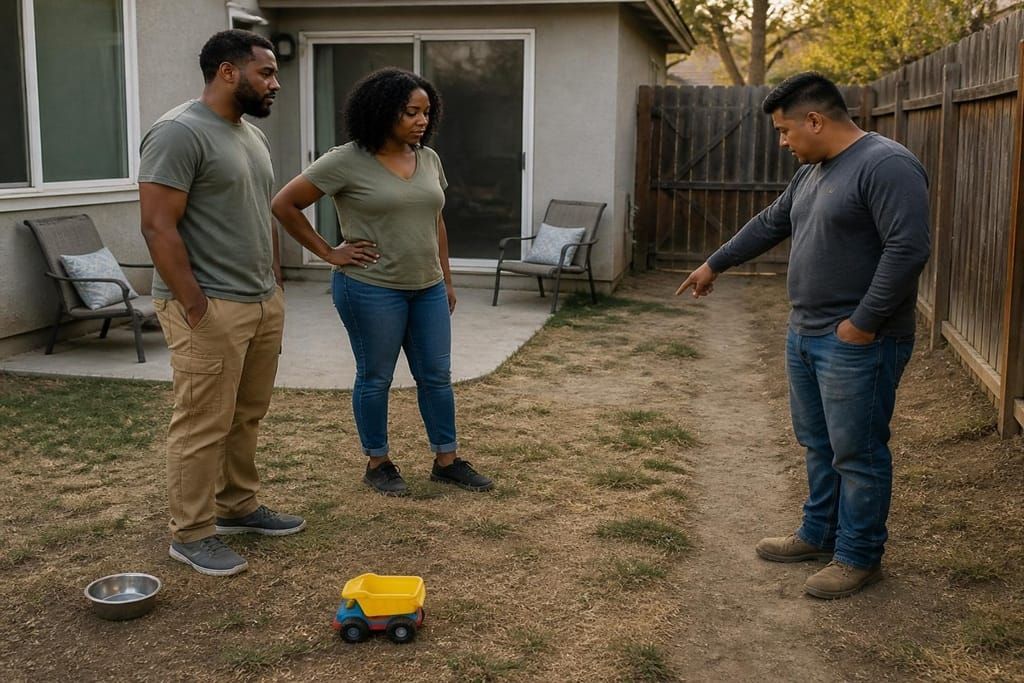
A struggling lawn can make turf feel like an obvious answer. Brown patches, muddy areas, uneven wear, constant watering concerns, pet damage, and bare spots can all make a yard feel harder to enjoy. But artificial turf works best when it is chosen around the way the space is actually used, not just around the idea of removing lawn care.
A Better Turf Decision Starts With Daily Use
Before replacing grass, it helps to picture the yard on an ordinary day. Does the space need to handle pets running back and forth? Children playing? Outdoor seating? A narrow side yard? A front yard that mostly needs curb appeal? A backyard that gets heavy afternoon sun?
The same turf installation can feel very different depending on the purpose of the area. A front lawn that is mostly viewed from the street has different expectations than a backyard play space, dog run, or shaded seating area. Thinking about use first can help homeowners ask better questions before comparing local artificial turf installers.
Lower Maintenance Does Not Mean No Maintenance
One common misunderstanding is that artificial turf removes every yard-care concern. It can reduce certain grass-related tasks, but it still needs the right expectations.
Turf may still need rinsing, brushing, debris removal, odor control for pets, attention to edges, and occasional upkeep depending on the yard. Leaves, dust, pollen, pet waste, and nearby landscaping can all affect how the surface looks and feels over time.
That does not mean turf is a poor choice. It simply means the decision should be based on realistic maintenance, not the idea that the yard will take care of itself.
Heat, Shade, And Surface Feel Matter In Sacramento Yards
Artificial turf can feel different from natural grass under sun exposure. In Sacramento-area yards, heat and dry conditions are worth discussing before choosing turf style, infill, placement, or nearby shade plans.
This matters most in areas where people or pets will spend time directly on the surface. A strip of turf used mainly for visual curb appeal is not the same as a backyard area where children sit, pets rest, or adults gather near patio furniture.
A good planning conversation should include how the yard gets sun, where shade falls, and whether the surface will be used during warm parts of the day. The goal is not to avoid turf automatically, but to understand how the finished yard will feel in real life.
Drainage Should Be Discussed Before The Lawn Comes Out
Artificial turf is only as useful as the surface underneath it. If the current lawn has puddles, soft spots, runoff issues, or areas that stay soggy after rain or irrigation, those conditions should be part of the estimate conversation.
Homeowners do not need to become drainage experts. They should simply be ready to point out where water collects, where soil feels uneven, and where the yard has caused problems in the past. A clear installer should be able to explain, in plain language, how the project will address those conditions.
When drainage is treated as an afterthought, the finished surface may look neat at first but still leave the homeowner with avoidable frustration.
Pets Change The Conversation
For households with dogs, artificial turf decisions often need a different level of detail. Pet use can affect odor control, cleaning routines, turf selection, base preparation, and where the most wear will happen.
A small decorative turf area is not the same as a heavily used dog area. If pets will use the turf daily, homeowners should ask how the installation is designed for that use and what upkeep will be expected after the project is finished.
This is where vague promises can create confusion. A better conversation focuses on the household’s actual routine, not just whether turf is “pet friendly” in a general sense.
The Finished Look Depends On More Than The Turf Itself
Many homeowners focus first on blade color, softness, or how realistic the turf sample looks. Those details matter, but they are only part of the finished result.
Edges, seams, slope, transitions to concrete or planting beds, border materials, and surrounding landscaping all affect whether artificial turf looks intentional. A small sample can look appealing in a showroom or estimate packet but still feel out of place if the layout is not planned well.
It helps to ask how the turf will meet patios, walkways, fences, garden beds, irrigation areas, and existing trees. These transitions are often where a project either feels polished or noticeably unfinished.
What To Ask Before Comparing Turf Estimates
A turf estimate should help the homeowner understand more than the final price. Before comparing providers, it is useful to ask questions such as:
- What type of use is this turf area being planned for?
- How will drainage be handled in problem areas?
- What maintenance should we expect after installation?
- How will edges, seams, and transitions be finished?
- Is this turf choice appropriate for pets, play, shade, or heavy sun?
- What is included in the estimate, and what could change later?
These questions do not require technical knowledge. They simply help turn the conversation from “How much for turf?” into “What kind of yard are we actually creating?”
Vague Answers Are A Reason To Slow Down
Replacing grass with artificial turf can feel simple from the outside, but unclear communication can lead to mismatched expectations. Be cautious when an estimate does not explain surface preparation, drainage, pet considerations, material choices, or what is included.
A lower quote may still be worth considering, but only if the scope is clear enough to compare fairly. If one provider explains the project in detail and another gives only a broad number, the homeowner may not be comparing the same thing.
The goal is not to find the most complicated proposal. It is to understand what the project includes before committing.
Artificial Turf Should Fit The Yard, Not Just Replace The Lawn
The best reason to consider artificial turf is not simply that natural grass has become frustrating. It is that the new surface fits the way the property is used.
For some Sacramento-area homeowners, that may mean a cleaner pet area, a more usable side yard, a lower-maintenance front lawn, or a backyard that holds up better under regular activity. For others, it may mean combining turf with shade, hardscape, planting areas, or a smaller lawn replacement rather than covering every available space.
A thoughtful turf decision starts with the real problem the homeowner is trying to solve. Once that is clear, it becomes easier to compare installers, review estimates, and decide whether artificial turf is the right direction for the property.