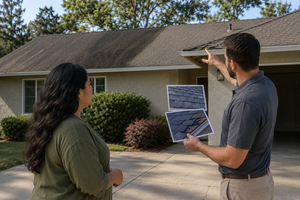
Starting a home search is easier when you know what you are actually trying to compare before you begin looking at properties. A home search is not only about scrolling listings, visiting open houses, or finding a place that looks appealing. It is also about understanding your needs, your limits, your tradeoffs, and the type of professional guidance that may help you make a clearer decision.
For Sacramento-area buyers, the early stage of a home search can feel exciting and uncertain at the same time. You may see homes that seem close to what you want, only to realize the price, location, layout, condition, commute, or long-term fit raises new questions. That does not mean you are doing something wrong. It usually means you are moving from a general idea of “I want to buy a home” into the more detailed reality of choosing the right home for your life.
A Home Search Starts Before The First Showing
Many people think the home search begins when they start walking through homes. In reality, it begins earlier than that.
Before seeing properties, it helps to understand what you are looking for and what you are prepared to discuss with a real estate professional. That includes your preferred area, general budget comfort, must-have features, flexible preferences, timing, and concerns about the process.
This early thinking matters because homes can be emotional. A nice kitchen, larger yard, extra bedroom, or attractive street can pull attention away from practical questions. Without a clear sense of priorities, it becomes easier to react to each property instead of comparing homes in a thoughtful way.
A good home search is not about being rigid. It is about knowing which things truly matter and which things are negotiable.
Browsing Listings Can Create A False Sense Of Readiness
Online listings can be useful, but they can also make the process feel simpler than it is. Photos, room counts, square footage, and basic property details only show part of the picture.
A listing may not fully explain how the home feels in person, how the layout works, what maintenance concerns may exist, what questions should be asked, or whether the property fits your broader goals. It also may not help you understand how to compare one home against another beyond price and appearance.
This is where many buyers get stuck. They may feel busy researching, but not necessarily better prepared. They may save dozens of listings without knowing what makes one home more realistic than another.
Before starting a serious home search, it can help to shift from “What homes do I like?” to “What kind of home would actually work for my life, budget, and next few years?”
Your Must-Haves Should Be Different From Your Preferences
One of the most useful early distinctions is the difference between must-haves and preferences.
A must-have is something that affects whether the home can realistically work for you. This might include the number of bedrooms, general location, accessibility needs, parking, school-related considerations, work-from-home space, or enough room for household members.
A preference is something you would like but may be willing to compromise on. This could include finishes, paint colors, countertop style, landscaping, flooring, or other features that may be changeable over time.
Confusing the two can make the search harder. If every preference becomes a must-have, good options may be dismissed too quickly. If true must-haves are treated casually, you may spend time considering homes that are not a real fit.
A clear home search does not require a perfect wish list. It requires an honest one.
Budget Is More Than The Listing Price
Before starting a home search, it is important to remember that the listed price is only one part of the decision. A home may appear to fit your range at first glance, but the full picture can include monthly payment comfort, taxes, insurance, maintenance, possible repairs, utilities, association fees, commute costs, and future household needs.
This is not something buyers need to figure out alone. A qualified real estate professional, lender, or other appropriate professional can help explain what questions to consider based on the buyer’s situation. The key is to avoid treating the search as only a price comparison.
For Sacramento residents, different property types, neighborhoods, home ages, and ownership responsibilities may create different conversations. The goal is not to predict every cost in advance. The goal is to avoid being surprised by basic factors that could have been discussed earlier.
The Right Real Estate Professional Can Help You Ask Better Questions
Starting a home search often brings up questions buyers did not know they had. That is one reason many people choose to speak with a real estate professional before they get too deep into the process.
A helpful real estate professional should not only send listings. They can help you think through priorities, compare tradeoffs, understand the search process, prepare for showings, and recognize when a property may need closer evaluation.
This does not mean the professional makes the decision for you. The buyer still needs to decide what fits their life. But a good professional can help turn a scattered search into a more organized conversation.
Before choosing who to work with, it may help to ask:
- How do you help buyers narrow their search before showings?
- What should I clarify before looking at homes seriously?
- How do you help compare homes that each have different tradeoffs?
- What questions should I ask when a home looks appealing but has unknowns?
- How will you communicate with me during the search?
These questions can reveal whether the professional is focused on helping you understand the decision, not just moving you quickly from one property to another.
It Is Easy To Overfocus On The Home And Underfocus On The Fit
A common home search mistake is falling in love with a property before asking whether it fits daily life.
A home can be attractive and still be inconvenient. It can have beautiful updates but lack the space, layout, parking, storage, or location that your household needs. It can seem affordable at first but feel less comfortable after ownership responsibilities are considered.
This does not mean buyers should ignore emotion. A home is personal, and the feeling of a space matters. But emotion works best when it is balanced with practical fit.
A useful question is: “Would this home still make sense after the excitement wears off?”
That question can help buyers slow down just enough to compare the property more clearly.
Your Search May Change As You Learn More
Many buyers begin with one idea and adjust as they see real homes. That is normal.
You may realize that a certain area feels different in person. You may decide that a smaller home in a better-fitting location matters more than extra space. You may find that a specific layout matters more than updated finishes. You may discover that some features you thought were essential are less important after visiting homes.
This kind of adjustment is not failure. It is part of learning what the search is really showing you.
The important thing is to notice why your preferences are changing. When you understand the reason, your search becomes more focused instead of more confusing.
Pressure Can Lead To Unclear Decisions
Home searches can sometimes feel pressured, especially when buyers think they need to decide quickly or fear missing out on every property that looks promising. Even when timing matters, pressure should not replace understanding.
Before committing to a serious next step, buyers should feel they have had a chance to ask basic questions, compare the property to their priorities, and understand what additional professional input may be needed.
Red flags may include vague communication, rushed explanations, unclear next steps, or feeling discouraged from asking reasonable questions. A home search is a major service decision, and buyers should be able to understand the process they are participating in.
A clear decision does not always mean an easy decision. It means you understand what you are weighing.
A Better Search Begins With Better Preparation
Before starting a home search, take time to clarify what you need, what you prefer, what you can be flexible about, and what questions you want answered before getting serious about a property.
For Sacramento-area buyers, this early preparation can make conversations with real estate professionals more useful. It can also make property comparisons less scattered and help reduce the chance of being pulled in too many directions by listings that look good but may not fit.
The goal is not to have every answer before you begin. The goal is to start with enough direction that each home you consider teaches you something useful.
When you understand your priorities before the search begins, you are better prepared to compare homes, ask thoughtful questions, and choose real estate guidance that supports a more informed decision.