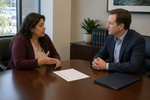
Before an estate planning consultation, it helps to organize the basic information that allows an estate planning lawyer to understand your household, assets, concerns, and goals. You do not need to have every answer ready. The point is to make the conversation easier to follow so the attorney can ask better questions and explain which options may fit your situation.
For many Sacramento residents, the hard part is not the consultation itself. It is figuring out what to bring, what matters, and what can wait. People often delay scheduling because they feel their paperwork is scattered, their family situation is complicated, or they are worried they will be expected to already understand legal terms.
A consultation is not a test. It is a starting point.
Estate Planning Preparation Is About Context, Not Perfection
Many people assume they need a complete plan before meeting with an estate planning lawyer. In reality, the consultation is where the details are discussed, clarified, and connected.
What helps most is not perfect paperwork. It is useful context.
That may include a general picture of who is in your household, what property or accounts you want to discuss, who may need support, and what concerns are motivating you to plan. An estate planning lawyer may ask about family relationships, real estate, retirement accounts, business interests, minor children, dependents, prior documents, and people you may trust to make decisions if needed.
You do not need to turn that information into legal conclusions on your own. The goal is simply to make the conversation more focused.
Why Scattered Information Can Make the Consultation Harder
Estate planning touches several parts of daily life at once. Your home, accounts, family responsibilities, health care preferences, personal belongings, and trusted decision-makers may all come up in the same conversation.
That can feel like a lot because these details usually live in different places. One document may be in a filing cabinet. Account information may be online. Property records may be in an old folder. Family questions may be in your head rather than written down.
When everything stays scattered, the consultation can become harder to use well. You may spend more time trying to remember basic facts and less time asking the questions that matter to you.
Organizing ahead of time helps reduce that friction. It gives the attorney a clearer starting point and gives you a better chance to leave the conversation understanding what information is still needed.
Documents Worth Gathering Before the Meeting
You do not need to bring every financial detail you have ever collected. A practical starting point is to gather documents that help explain what you own, who may be involved, and whether you already have estate planning paperwork in place.
Helpful items may include existing wills, trusts, powers of attorney, health care directives, property deeds, mortgage information, business ownership records, retirement account summaries, life insurance information, and basic lists of bank or investment accounts.
If you cannot find everything, that is still useful to know. Missing documents can become part of the discussion. The attorney can explain what may be important, what can be requested later, and what may not be necessary for the first conversation.
For Sacramento-area families, this preparation can be especially useful when multiple people are involved in the planning decision, such as spouses, adult children, blended families, business partners, or caregivers.
Personal Details Can Matter As Much As Paperwork
Estate planning is not only about documents and accounts. It is also about the people connected to those documents and accounts.
Before the consultation, it may help to think through who depends on you, who you trust, and who might need to be included in future planning conversations. This can include children, spouses, long-term partners, adult children, aging parents, relatives with special needs, or anyone who may be affected by your decisions.
It may also help to write down questions about decision-making roles. For example, you may want to ask what it means to name someone for financial decisions, health care decisions, guardianship discussions, or estate administration.
These are legal decisions, so you should not rely on general information alone. A qualified estate planning lawyer can explain how different roles work and what considerations may apply to your specific situation.
Questions Are Part of the Preparation
A good consultation is not only about what you bring. It is also about what you ask.
Many people arrive with a stack of paperwork but forget the questions that caused them to schedule the meeting in the first place. Writing down a few questions ahead of time can help keep the conversation centered.
Useful questions may include:
What information should I gather after this meeting?
Which parts of my situation may need closer review?
How do you usually explain estate planning options to clients?
What decisions should I avoid making too quickly?
What should I understand before comparing documents, fees, or next steps?
These questions do not require you to know the law. They help you understand the process, the attorney’s communication style, and what may be involved before you decide how to move forward.
Common Reasons People Feel Unprepared
It is common to feel unprepared because estate planning brings up personal, financial, and family details all at once. That does not mean you are behind. It means the topic is naturally layered.
Some people feel stuck because they do not know the difference between a will and a trust. Others worry because they have remarried, own property, have children from a prior relationship, run a small business, or are helping an older parent. Some simply have old documents and are unsure whether they still reflect their wishes.
These situations are exactly why a consultation can be useful. The lawyer’s role is not to expect you to arrive with everything solved. It is to help evaluate your specific circumstances and explain options in a way you can understand.
Avoid Turning Preparation Into Procrastination
Preparing for a consultation should make the appointment easier, not become another reason to delay it.
You can start with a simple folder, a short list of assets, a list of important people, and the questions you most want answered. If something is missing, note that. If something is unclear, write it down. If you are unsure whether a document matters, bring it or ask about it.
The most useful preparation is often modest and realistic. It helps organize the conversation without turning you into your own legal researcher.
A More Focused First Conversation
An estate planning consultation works best when both sides can quickly understand the basic picture. Your attorney needs enough information to ask meaningful questions. You need enough orientation to understand what the next step may involve.
By organizing key documents, personal details, and questions before the meeting, Sacramento residents can make the consultation less scattered and more productive. You do not need to know the legal answer before you arrive. You only need to bring enough context to begin the right conversation with a qualified estate planning professional.