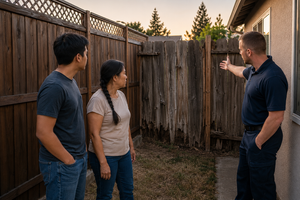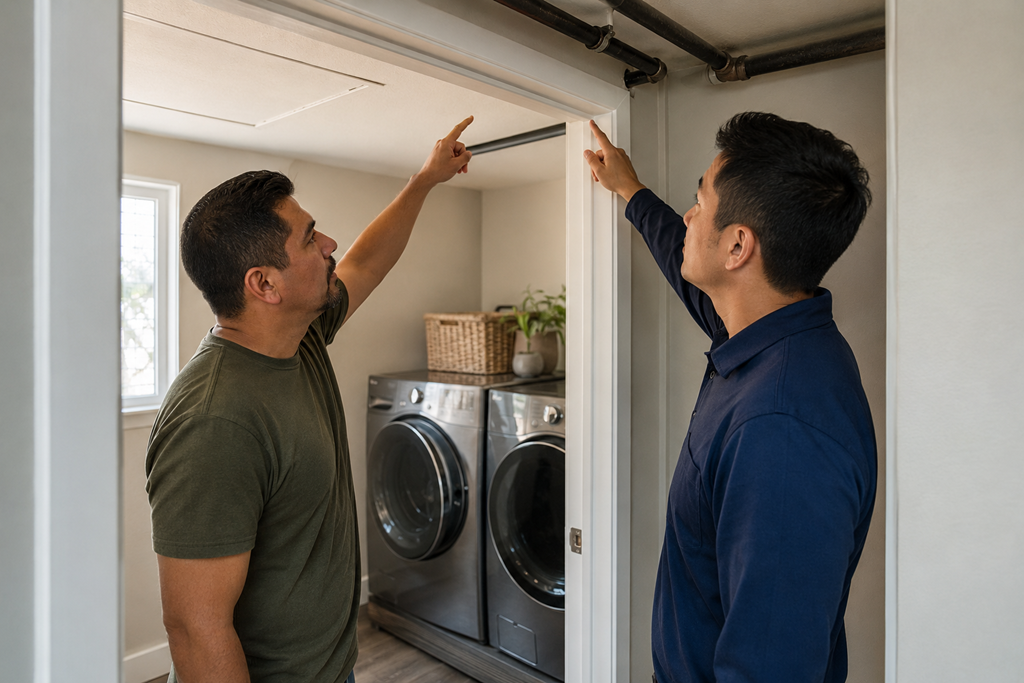
Air leaks should be discussed before insulation work begins because insulation and air sealing solve different parts of the same comfort problem. Insulation helps slow heat movement, while gaps around attic access panels, recessed lights, ducts, wall penetrations, or unfinished transitions can still let conditioned air escape and outdoor air enter. For Sacramento-area homeowners, talking about leaks early can make the estimate, scope, and expectations clearer before work starts.
The Problem Is Not Always the Insulation Alone
When a room feels too hot, too cold, or hard to keep comfortable, it is easy to assume the home simply needs more insulation. Sometimes that may be part of the issue. But air leaks can make a home feel uncomfortable even when insulation is present.
An air leak is an opening, gap, seam, or connection point that lets air move between conditioned living space and areas such as the attic, garage, crawlspace, wall cavity, or outdoors. The leak may be small, hidden, or spread across several areas instead of appearing as one obvious problem.
That is why the conversation before insulation work matters. If the estimate only focuses on adding insulation without discussing possible air movement, the homeowner may not fully understand what the project is expected to improve.
Why Air Movement Can Change Expectations
Insulation is often described as something that helps keep heat out during hot weather and warmth in during cooler weather. That is a useful starting point, but it does not tell the whole story.
If air is slipping through gaps around ceiling penetrations, attic access, plumbing openings, duct chases, or unfinished transitions, conditioned air may still escape. Outdoor or attic air may also move into areas where the homeowner expects insulation to do all the work.
For Sacramento-area homes, where comfort concerns often show up during warm afternoons, cool mornings, or room-to-room temperature swings, this distinction can matter. A homeowner may think the question is, “How much insulation do I need?” when a better first question may be, “Are there air leaks that should be evaluated before insulation is added?”
Air Leaks Can Hide Behind Familiar Symptoms
Air leakage does not always feel like a noticeable draft. Sometimes it shows up as a room that never seems to match the thermostat, a hallway that feels different from nearby rooms, a ceiling area that seems warmer than expected, or a room that becomes uncomfortable at certain times of day.
These symptoms can overlap with other issues, which is why they should be discussed rather than assumed. Insulation levels, duct conditions, attic ventilation, sun exposure, room location, and air leaks may all affect comfort.
The useful point for homeowners is not to diagnose the problem on their own. It is to know that hidden air movement may be part of the conversation before insulation work begins.
A Clear Scope Helps Prevent Misunderstandings
One reason to bring up air leaks early is that they can affect the scope of work. Two insulation estimates may look similar at first glance, but one may include discussion of common leakage areas while another may only describe insulation depth, material, or coverage.
That does not automatically mean one estimate is better than another. It does mean the homeowner should understand what is included, what is excluded, and what the contractor is assuming.
A clearer scope can help answer questions such as whether the attic access area is being evaluated, whether obvious gaps will be discussed, whether recessed lights or penetrations are part of the conversation, and whether the provider separates insulation work from air sealing work.
Without that discussion, a homeowner may compare prices without realizing that the proposed work may not be addressing the same conditions.
More Insulation Is Not Always the Full Answer
A common misunderstanding is that adding more insulation automatically solves every comfort issue. Insulation can be important, but it works best when the surrounding conditions are understood.
If air is moving through gaps, adding insulation over or around those areas may not fully address the comfort concern. In some cases, insulation can even make hidden conditions harder to see later, which is why evaluation before work begins is important.
This does not mean every home needs extensive air sealing before insulation. It means air leakage should be part of the discussion so the homeowner understands what is being evaluated and why.
What Sacramento Homeowners Can Ask Before Work Starts
Before approving insulation work, Sacramento-area homeowners can ask a few simple questions that keep the conversation practical:
- Are there common air leak areas you look for before adding insulation?
- Is air sealing included in this estimate, or is it separate?
- Are attic access points, ceiling penetrations, duct chases, or wall transitions part of the evaluation?
- If you find gaps during the work, how will those be discussed?
- What comfort issues should insulation help with, and what issues may have other causes?
These questions do not require the homeowner to become a building expert. They simply help make the estimate easier to understand before the project begins.
Vague Language Is Worth Slowing Down For
Homeowners may want to pause when a proposal uses broad phrases without explaining what they mean. Phrases such as “improve comfort,” “seal problem areas,” or “upgrade attic insulation” can be useful, but they should be supported by a clear explanation of what the provider is actually planning to inspect or address.
The red flag is not that a contractor uses simple language. Simple language is often helpful. The concern is when the scope remains unclear after the homeowner asks basic questions.
A qualified insulation professional should be able to explain the relationship between insulation, air movement, and expected results in plain terms. If the answer feels rushed, vague, or dismissive, the homeowner may need more detail before comparing that estimate with others.
The Best Time to Discuss Air Leaks Is Before Materials Cover the Area
Air leaks are often easiest to talk about before new insulation is installed. Once insulation is added, some gaps, seams, and transitions may become harder to see or harder to explain clearly.
That is why the pre-work conversation matters. It gives the homeowner a chance to understand whether the provider is only adding insulation, also evaluating air movement, or recommending a separate air sealing step.
The goal is not to make the project more complicated. The goal is to make the decision better informed.
A Better Conversation Leads to Better Expectations
Insulation work can be a valuable part of improving home comfort, but the results depend on more than material alone. Air leaks can affect how a room feels, how an estimate should be read, and how homeowners compare provider recommendations.
Before insulation work begins, Sacramento-area homeowners should feel comfortable asking how air leaks are handled, whether air sealing is included, and what conditions may affect the final result. A clearer conversation at the beginning can help make the project scope, cost, and expectations easier to understand before committing.