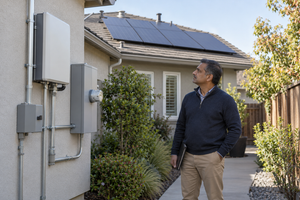
High-pressure solar sales tactics deserve caution because solar is a long-term home-service decision, not something a homeowner should feel rushed into making at the door or during one conversation. A strong proposal should still make sense after you have had time to review the system, costs, financing terms, assumptions, warranties, and provider responsibilities without someone pushing you to commit immediately.
For Sacramento-area homeowners, interest in solar may begin with a simple question about energy use, long-term household costs, or making better use of a sunny roof. The problem begins when that practical interest turns into a conversation where the sales process seems to move faster than the homeowner's understanding of what is actually being offered.
Pressure does not automatically mean a solar company or representative is unreliable. But when urgency starts replacing clear explanations, comparison time, and written details, it becomes harder to evaluate whether the proposal fits your home and priorities.
A Solar Decision Should Still Make Sense After the Sales Conversation Ends
Solar installation can involve several connected decisions: the proposed system, expected production, equipment, installation responsibilities, financing or payment arrangements, warranties, ongoing service, and assumptions used to describe potential savings.
Those pieces are difficult to evaluate when the conversation is centered on getting an immediate commitment.
A homeowner may hear statements suggesting that a particular offer, payment arrangement, discount, appointment slot, or opportunity will disappear unless paperwork is completed quickly. Even when there is a legitimate reason for a deadline, you should still be able to understand what the deadline applies to and what you are agreeing to.
The useful question is not simply, "Does this sound like a good deal?"
It is, "Do I understand this well enough to make a long-term decision?"
Those are not always the same thing.
Urgency Can Distract From the Details That Actually Matter
A high-pressure conversation often focuses attention on one appealing part of the proposal.
That might be an estimated monthly payment, an anticipated reduction in electricity costs, a particular piece of equipment, or the convenience of moving ahead immediately.
But one attractive number does not explain the entire arrangement.
For example, a monthly payment may not tell you everything about financing terms. A projected savings estimate depends on assumptions. A discussion about equipment does not necessarily explain who handles future service concerns. A description of installation does not automatically clarify what is included in the proposed scope.
The more complicated the decision, the more important it becomes to understand how the pieces fit together rather than allowing one appealing detail to drive the entire decision.
A Request for Time Is Reasonable
Homeowners sometimes worry that asking for time to think will make them seem uninterested or difficult.
It should not.
Wanting to review a solar proposal outside the sales conversation is a normal part of making an informed home-service decision.
That time gives you an opportunity to look at the written proposal without having to respond to someone sitting across from you, standing at your front door, or waiting for an immediate answer.
It can also reveal something useful about the provider's communication style.
A representative who is comfortable with informed decision-making should generally be able to explain the proposal, answer reasonable questions, and give you enough information to understand what is being presented. If the conversation repeatedly returns to why you need to commit instead of helping you understand the arrangement, that is worth noticing.
"Sign Today" Should Not Replace Clear Explanations
One common pressure pattern is making the timing of the signature feel more important than the substance of the proposal.
You might hear that a special arrangement is only available immediately or that there is little reason to wait.
There may be situations where an offer genuinely has a time limit. The important distinction is whether the deadline can be explained clearly and whether you still have enough information to evaluate the decision.
A deadline is information.
Pressure is a sales technique.
Homeowners benefit from separating the two.
If an offer has a legitimate expiration point, ask for that information in writing and consider the proposal on its merits. You do not have to treat the existence of a deadline as proof that the underlying offer is right for your home.
Be Careful When Questions Keep Getting Redirected
Another useful signal is what happens when you ask for details.
Suppose you ask about equipment responsibilities, financing, installation scope, future service, warranty coverage, or the assumptions behind an estimate.
A clear answer should help you understand that specific issue.
If the response repeatedly shifts back to the attractiveness of the deal, the need to act quickly, or how many other homeowners have supposedly made the same choice, your original question remains unanswered.
That does not necessarily tell you whether the overall proposal is good or bad. It tells you that you still need information.
Recognizing the difference can prevent a persuasive conversation from being mistaken for a complete explanation.
Verbal Promises and Written Terms Should Match
Solar sales conversations can include many explanations about what will happen before, during, and after installation.
Before relying heavily on an important promise, look for where it appears in the written materials you are being asked to accept.
If a representative describes a responsibility, feature, warranty, service arrangement, cost, or expectation that matters to your decision, it is reasonable to ask where that information is documented.
You do not need to become an expert in solar contracts to recognize when an important verbal statement seems difficult to locate in the paperwork.
If something remains unclear, ask for clarification before committing.
Comparing Providers Can Change the Conversation
One reason pressure works is that it can make a homeowner feel as though the decision is between accepting the current proposal and losing the opportunity entirely.
Often, the more useful comparison is between different ways of solving the same household need.
Talking with more than one qualified solar provider can help you see which questions matter and where proposals differ. One company may emphasize equipment. Another may spend more time discussing system design, payment arrangements, installation responsibilities, or future service.
The purpose of comparing is not simply to hunt for the lowest number.
It is to understand what you are actually comparing.
A proposal that initially sounds straightforward may look different once you see how another provider explains similar issues.
A Few Questions Can Slow the Conversation Down Productively
You do not need an enormous checklist. A few direct questions can reveal whether the discussion is giving you enough information to make an informed decision:
- What exactly am I being asked to agree to today?
- Which parts of this proposal could change later?
- What assumptions are being used in the savings or production estimates?
- What costs and responsibilities are included in the written proposal?
- Who handles questions or service concerns after installation?
- Where are the important promises we discussed reflected in the written documents?
- Can I review everything before deciding whether to move forward?
The goal is not to challenge the salesperson. It is to make sure the conversation slows down enough for the decision itself to remain visible.
A Good Solar Decision Does Not Depend on Feeling Cornered
Solar may be worth exploring for many homeowners, but exploring solar and committing to a particular proposal are separate decisions.
You can be interested in solar while still deciding that you need more information.
You can like a provider while still comparing another proposal.
You can appreciate an estimated benefit while still asking how the estimate was developed.
And you can decide that an offer deserves consideration without deciding that it deserves an immediate signature.
For Sacramento-area homeowners, that distinction can make the solar-shopping process much easier to navigate. The goal is not to distrust every sales conversation. It is to make sure enthusiasm, urgency, or persuasion does not move faster than your understanding of the decision.
A solar proposal should be strong enough to review carefully, question openly, and compare thoughtfully. If slowing the process down gives you a clearer picture of what you are agreeing to, that extra perspective is part of making an informed home-service decision.