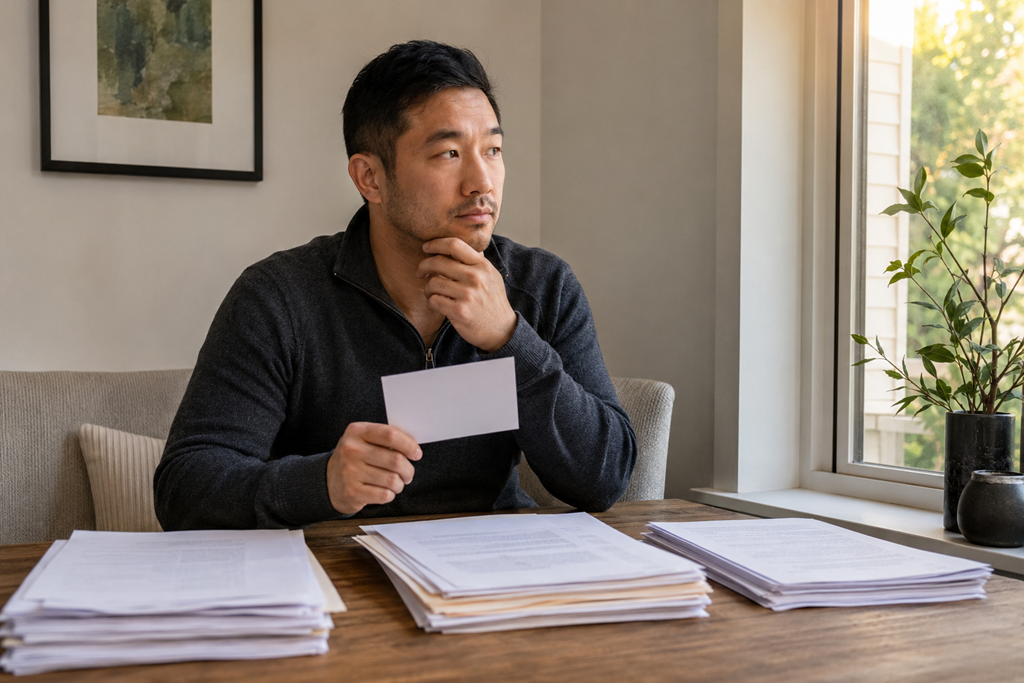
Immigration documents should be kept in one place because scattered paperwork can make it harder to understand your situation, answer questions clearly, and prepare for a conversation with an immigration lawyer. When important papers are spread across drawers, email inboxes, phone photos, folders, backpacks, and old envelopes, the issue is not just clutter. It can make an already sensitive legal matter feel harder to explain.
For many Sacramento families and residents, immigration paperwork is not just “paperwork.” It may include notices, forms, identification records, travel documents, receipts, appointment letters, copies of prior filings, translations, or documents connected to family members. Some items may feel urgent. Others may be old but still important. Keeping them together helps create a clearer starting point before speaking with a qualified immigration lawyer about a specific situation.
This article is educational only and is not legal advice. Immigration questions can depend on personal details, timing, history, and current law, so it is important to speak with a qualified legal professional for guidance about your own circumstances.
Scattered Documents Can Make The Situation Feel More Confusing
Immigration matters often involve details from different parts of a person’s life. A single question may involve identity documents, prior applications, notices from government agencies, family records, address history, work history, school records, or travel information. When those documents are not together, it can be difficult to see what is complete, what is missing, and what may need explanation.
This is one reason people sometimes feel stuck before scheduling a consultation. They may know they need help, but they are not sure what they have, where it is, or whether a certain document matters.
Keeping documents in one place does not solve the legal issue by itself. What it does is make the conversation easier to begin. Instead of trying to remember every detail from memory, the person can bring a more organized picture of what has happened.
Organization Helps An Immigration Lawyer Understand The Starting Point
An immigration lawyer usually needs accurate information before discussing possible next steps. If documents are scattered, the first part of the conversation may be spent trying to identify basic facts instead of focusing on the concern that brought the person in.
Having documents together can help with questions such as:
- What paperwork has already been filed?
- Were any notices, requests, or decisions received?
- Are there deadlines, appointment notices, or missing items that need attention?
- Do names, dates, addresses, or family details appear consistently across documents?
- Are there older records that may still affect the current situation?
These questions are not always easy to answer from memory. Documents give the lawyer something more concrete to review.
For Sacramento-area residents preparing to contact an immigration lawyer, this kind of organization can also reduce the stress of the first conversation. It helps the person avoid guessing, searching through messages during the appointment, or worrying afterward that an important paper was forgotten.
One Place Does Not Have To Mean Perfectly Organized
A common misunderstanding is that documents must be perfectly sorted before talking with a lawyer. That is not realistic for many people. Immigration paperwork can come from different agencies, employers, schools, family members, courts, prior attorneys, or online accounts. Some documents may be printed. Others may exist only as photos, scans, or emails.
The first goal is not perfection. The first goal is gathering.
A plain folder, envelope, small document box, or digital folder can be enough to begin. The important thing is that related immigration documents are not scattered across multiple places where they can be overlooked.
Once everything is together, it becomes easier to separate items by type, date, person, or issue. But even before sorting, having the documents in one place gives the lawyer a better chance to understand what needs closer review.
Missing Documents Are Easier To Notice When Everything Is Together
One benefit of keeping immigration documents in one place is that gaps become more visible. When papers are scattered, it is easy to assume something is missing when it is actually in another drawer. It is also easy to assume something exists when it was never saved.
Gathering documents together can reveal practical questions before the consultation, such as:
- Is there a copy of a prior application?
- Is the most recent notice available?
- Are there documents for every family member involved?
- Are translations, receipts, or supporting records stored separately?
- Are there digital copies that should be printed or saved?
These questions can help the reader prepare without trying to interpret the law on their own. The point is not to decide what every document means. The point is to make sure the lawyer can see what exists and what may need to be requested, replaced, translated, or explained.
Digital Files Matter Too
Many people think of immigration documents as physical papers, but digital records can be just as important. Emails, scanned forms, online account notices, appointment confirmations, payment receipts, and photos of documents may all be part of the bigger picture.
The problem is that digital records can become scattered even faster than paper. A notice may be in an old email account. A receipt may be saved on a phone. A copy of a form may be stored in a downloads folder. A family member may have the only photo of an important document.
Keeping digital immigration records in one place can make them easier to find when needed. That may mean saving files into a clearly named folder, printing important items, or making a note of where certain online records can be accessed. The best system is the one the person can actually use and maintain.
Organization Can Reduce Pressure During A Consultation
A legal consultation can feel intimidating, especially when the issue affects family, work, housing, school, travel, or long-term plans. When documents are disorganized, the person may feel pressured to explain everything from memory.
That pressure can lead to skipped details. It can also make the person focus on finding papers instead of listening, asking questions, and understanding what the lawyer is explaining.
Bringing documents together beforehand creates a more stable starting point. It allows the conversation to be based on records rather than assumptions. It also gives the person more room to ask practical questions about what the lawyer needs to review, what information may be missing, and what should not be ignored.
It Also Helps Families Stay On The Same Page
Immigration matters often involve more than one person. A spouse, parent, adult child, sibling, sponsor, employer, or prior representative may have pieces of the paperwork. When everyone stores documents separately, confusion can grow.
One person may think a notice was handled. Another may not know it arrived. A family member may have a copy of a document that someone else has been looking for. Important details may be repeated differently because no one is looking at the same records.
Keeping documents together helps families prepare more clearly before speaking with an immigration lawyer. It can also prevent the consultation from becoming a last-minute search through texts, emails, and old folders.
Do Not Throw Away Old Immigration Papers Too Quickly
Another common pattern is assuming older documents no longer matter. People may keep only the newest notice or most recent form and discard earlier papers because they seem outdated.
That can create problems. Older documents may help explain what was filed, what was approved, what was denied, what was requested, or what information was previously submitted. Even if a document seems unimportant, it may help a qualified immigration lawyer understand the full history.
This does not mean every paper will be legally important. It means the decision about what matters should not be based only on guesswork. When in doubt, it is usually better to keep immigration-related records together and let a qualified professional explain what is relevant.
A Few Questions To Ask Before Meeting With An Immigration Lawyer
Before contacting or meeting with an immigration lawyer, it can help to ask simple preparation questions:
- Do I have all notices, letters, receipts, and prior filings in one place?
- Are documents for each family member separated clearly enough to review?
- Are digital records saved somewhere easy to access?
- Do I know which documents are originals and which are copies?
- Are there papers I remember receiving but cannot currently find?
- Have I written down questions about missing documents or confusing notices?
These questions are not a substitute for legal advice. They simply help the person show up better prepared for a professional conversation.
The Goal Is A Clearer Starting Point
Keeping immigration documents in one place is not about creating a perfect file system. It is about reducing confusion before an important conversation. When papers, notices, receipts, copies, and digital records are easier to find, the reader is less likely to overlook something important or rely only on memory.
For Sacramento residents preparing to speak with an immigration lawyer, document organization can make the first conversation more productive. It gives the lawyer a clearer picture to review and helps the client feel more prepared to ask questions, explain concerns, and understand what information may still be needed.
The takeaway is simple: gather first, sort second, and let a qualified immigration lawyer help explain what the documents may mean for the specific situation.