Paint problems are not always just about appearance. Peeling, bubbling, cracking, fading, staining, or uneven paint can sometimes be a sign that something else is happening beneath the surface, such as moisture exposure, poor adhesion, sun damage, aging materials, or earlier prep work that did not hold up well.
That does not mean every paint issue is serious. A worn exterior, faded trim, or scuffed interior wall may simply need normal repainting. But when paint keeps failing, changes suddenly, or appears alongside other surface problems, it is worth treating the paint as a clue instead of only a color problem.
For Sacramento-area homeowners, this matters because painting is often a bigger decision than choosing a new look. Heat, sun exposure, dry conditions, seasonal rain, and older home materials can all affect how painted surfaces age. Before hiring a house painting pro, it helps to understand what the visible paint problem may be telling you.
Paint Often Shows Problems Before The Rest Of The Surface Does
Paint is the outer layer people notice first. Because of that, it can reveal early signs of wear before the underlying surface looks obviously damaged.
A homeowner may first notice paint lifting near a window frame, bubbling on a sunny wall, cracking around trim, or dark staining near an exterior corner. At first glance, these can look like small cosmetic issues. But the pattern, location, and timing of the problem can matter.
For example, peeling in one isolated spot may have a different meaning than peeling across an entire side of the home. Bubbling near a moisture-prone area may raise different questions than fading on a wall that gets strong afternoon sun. Repeated paint failure in the same area may suggest the surface needs more than a quick repaint.
The main point is simple: paint problems are sometimes symptoms. A good painting conversation should look at both the finish and the surface beneath it.
What This Feels Like For Homeowners
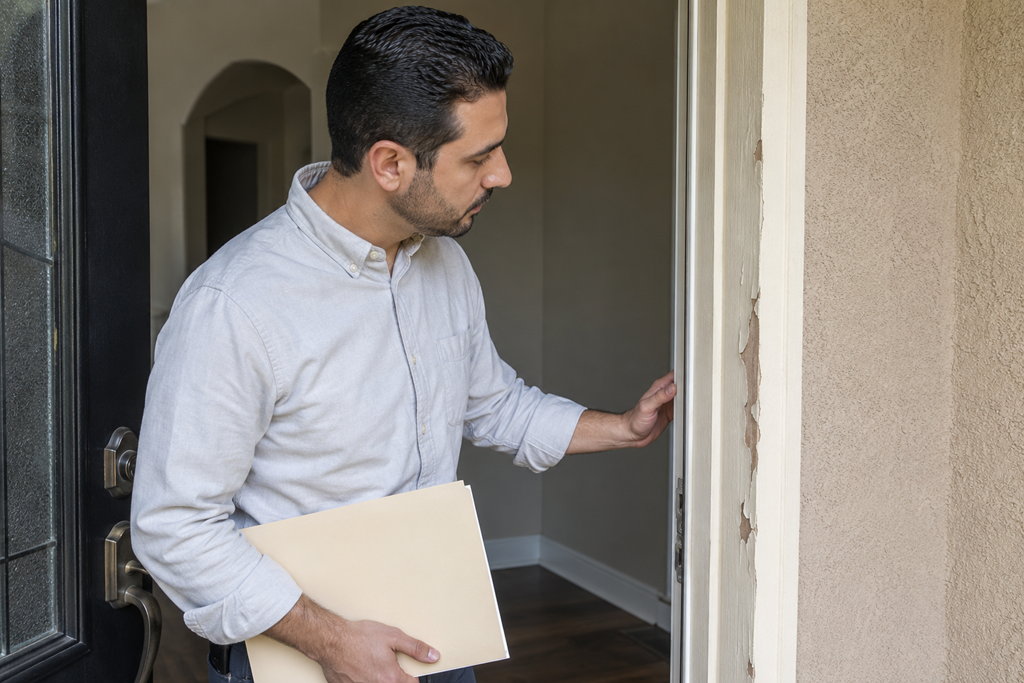
Many homeowners notice paint problems during everyday moments, not during a planned inspection. You may see cracking trim while walking to the front door, bubbling paint while watering plants, or flaking siding when moving patio furniture. The issue may seem small until you realize it has grown, spread, or returned after a previous touch-up.
This can create uncertainty. Is it just old paint? Is the surface damaged? Would repainting solve it? Should it be repaired first? Will a painter point it out during the estimate, or do you need to ask?
That uncertainty is normal. Most homeowners are not expected to diagnose paint failure. But they can pay attention to where the problem appears, how long it has been there, and whether it seems connected to moisture, sun exposure, previous repairs, or surface movement.
That kind of awareness makes it easier to have a useful conversation before hiring a local painting service.
A Fresh Coat May Not Fix The Real Cause
One common misunderstanding is thinking new paint automatically solves any paint problem. Sometimes it does. If the surface is sound and the old paint has simply aged, repainting may be the right next step.
But if paint is failing because of trapped moisture, poor prep, damaged trim, chalky residue, loose previous coatings, or a surface that was not ready to hold paint, a new coat may not last the way the homeowner expects.
This is why surface preparation matters so much in house painting. Preparation is not just an extra task before the “real” work begins. It can affect how well the final finish bonds, how smooth the result looks, and whether the same issue shows up again.
A homeowner does not need to know every technical detail. But it is fair to ask whether the painter sees a cosmetic problem, a surface condition, or a preparation issue that should be addressed before painting.
The Location Of The Problem Can Give Useful Context
Paint problems often become easier to understand when you pay attention to where they appear.
Peeling near windows, doors, trim, or joints may raise questions about moisture, movement, caulking, or exposed edges. Bubbling on exterior walls may suggest the paint film is separating from the surface beneath it. Heavy fading on sun-facing areas may be related to exposure and age. Stains may suggest water, rust, tannins, or another source that should be identified before repainting.
Interior paint problems can also point to more than wear. Discoloration, bubbling, or peeling in bathrooms, laundry rooms, kitchens, or around windows may deserve a closer look before the wall is simply repainted.
None of these signs automatically prove there is a major problem. The value is in noticing patterns before assuming the solution is only another coat of paint.
Why This Matters Before Comparing Painting Estimates
Paint problems can affect estimates because they may change the amount of prep, repair, materials, time, and communication needed for the project.
Two painting quotes may look different because one painter is only pricing a basic repaint while another is accounting for scraping, sanding, patching, priming, minor surface repair, or extra attention to problem areas. If the homeowner only compares the final price, the difference may feel confusing.
That is why paint problems should be discussed clearly during an estimate. A lower quote is not automatically worse, and a higher quote is not automatically better. What matters is whether the scope explains what will happen to the areas where paint is already failing.
A useful estimate should help you understand what is included, what is excluded, and what may need additional evaluation before the work begins.
Patterns That Can Make Paint Problems Worse
Paint issues can become more frustrating when homeowners treat every visible flaw the same way.
One pattern is focusing only on color. Color matters, but if the surface is peeling, chalking, stained, or uneven, the finish may not perform well without proper preparation.
Another pattern is delaying the conversation because the problem seems small. Waiting is not always wrong, but if a paint issue is spreading or repeating, it is worth asking whether there is a reason.
A third pattern is assuming all painters will handle prep the same way. House painting services can vary in how they inspect, explain, prepare, repair, prime, protect, and communicate. Asking questions before hiring can reduce surprises later.
The goal is not to become suspicious of every paint flaw. The goal is to avoid rushing into a project without understanding what the visible problem may require.
Questions Worth Asking A House Painting Pro
When paint problems are part of the reason you are considering a project, a few simple questions can make the estimate more useful.
You might ask:
“Does this look like normal paint aging, or could something else be causing it?”
“What preparation would this area need before repainting?”
“Are there any areas where paint may not hold well unless the surface is repaired or primed first?”
“Will the estimate separate painting from repairs or additional prep?”
“Are there any problem areas I should keep an eye on after the project is complete?”
These questions do not pressure the painter into giving guarantees. They simply help you understand how they are evaluating the surface and whether the proposed work matches the condition of the home.
Paint Problems Can Also Affect Expectations
A homeowner may expect paint to make the home look clean, finished, and renewed. That is reasonable. But when the existing surface has deeper issues, the final result may depend on more than the paint itself.
For example, rough siding, cracked trim, old patchwork, moisture-damaged areas, or uneven previous coatings may still influence how the finished surface looks. In some cases, painting can improve the appearance but not erase every sign of age or surface history.
This is why clear expectations matter. A good pre-project discussion should help the homeowner understand what painting can improve, what prep can address, and what may fall outside a standard paint job.
That conversation can be especially helpful for older Sacramento-area properties, where layers of past repairs, sun exposure, and aging exterior materials may all affect the result.
When A Paint Issue Deserves More Attention
Some paint problems are worth discussing with a qualified professional before deciding on the project scope.
Repeated peeling in the same area, bubbling that appears near moisture-prone surfaces, paint that pulls away in sheets, visible staining, soft or deteriorated trim, or cracking that seems connected to movement may need more than a simple color refresh.
That does not always mean a major repair is needed. It simply means the cause should be considered before the project is priced and scheduled.
For homeowners, the practical step is not to diagnose the problem alone. It is to point out what you have noticed, ask how the painter evaluates those areas, and make sure the estimate reflects the condition of the surfaces being painted.
A Better Way To Look At Paint Problems
Instead of asking only, “What color should we choose?” it can help to first ask, “Why is the paint failing here?”
That shift changes the conversation. It moves the decision from appearance alone to surface condition, preparation, expectations, and long-term value. It also helps homeowners compare painting estimates more thoughtfully.
Paint is visible, but the best painting decisions often start beneath the surface. When you understand that peeling, bubbling, cracking, or staining may be a signal, you can ask better questions before hiring a house painting pro.
For Sacramento-area homeowners, that can make the painting process feel less like guesswork and more like a practical home service decision.