Landscaping timelines can change even after a project is scheduled because two things are not fully under anyone’s control: when materials actually arrive and whether weather conditions allow planned work to move forward safely and effectively. A delay does not automatically mean the contractor is disorganized, but it does make clear communication about what changed, what comes next, and whether the schedule is still realistic especially important.
For Sacramento-area homeowners, this can be frustrating when a yard has already been cleared, materials have been selected, or other plans are being made around the expected completion date. Understanding why schedules move can make it easier to distinguish a reasonable project adjustment from a timeline that simply is not being managed or explained well.
A Scheduled Start Date Is Still a Working Plan
A landscaping schedule is usually based on several pieces lining up at the right time.
The contractor may need certain materials available before a particular phase begins. The property also needs to be in suitable condition for the work planned that day. If one of those pieces changes, the sequence may need to change with it.
That does not mean every weather change or supplier issue should automatically produce a major delay. It means the original schedule often represents the best plan based on the information available when it was created.
This is why it can be useful to think about a landscaping timeline as a coordinated sequence rather than a single promised date.
Material Timing Can Affect More Than the Delivery Day
Landscaping projects can involve combinations of plants, pavers, gravel, soil products, edging, irrigation components, lighting fixtures, decorative materials, and other project-specific items.
Not all of those materials necessarily come from the same supplier or arrive at the same time.
If an important item is unavailable, delayed, damaged in transit, or arrives in a different quantity than expected, the effect may extend beyond simply waiting for a delivery. A later phase of the project may depend on that material being installed first.
In some cases, work can be rearranged. In others, changing the sequence may create additional complications or may not make sense.
The useful question for a homeowner is not whether every material delay can be prevented. It is whether the provider has explained which selections are important to the schedule and what would happen if one of them becomes unavailable.
Substituting a different material should also be treated as a separate decision rather than an automatic solution. A homeowner may care about appearance, durability, maintenance, compatibility with the rest of the design, or simply receiving what was originally selected.
Weather Can Change What Is Practical on the Property
Sacramento landscaping projects can also be affected by periods of heat, dry conditions, sun exposure, and seasonal rain.
Different phases of landscaping work may respond differently to those conditions.
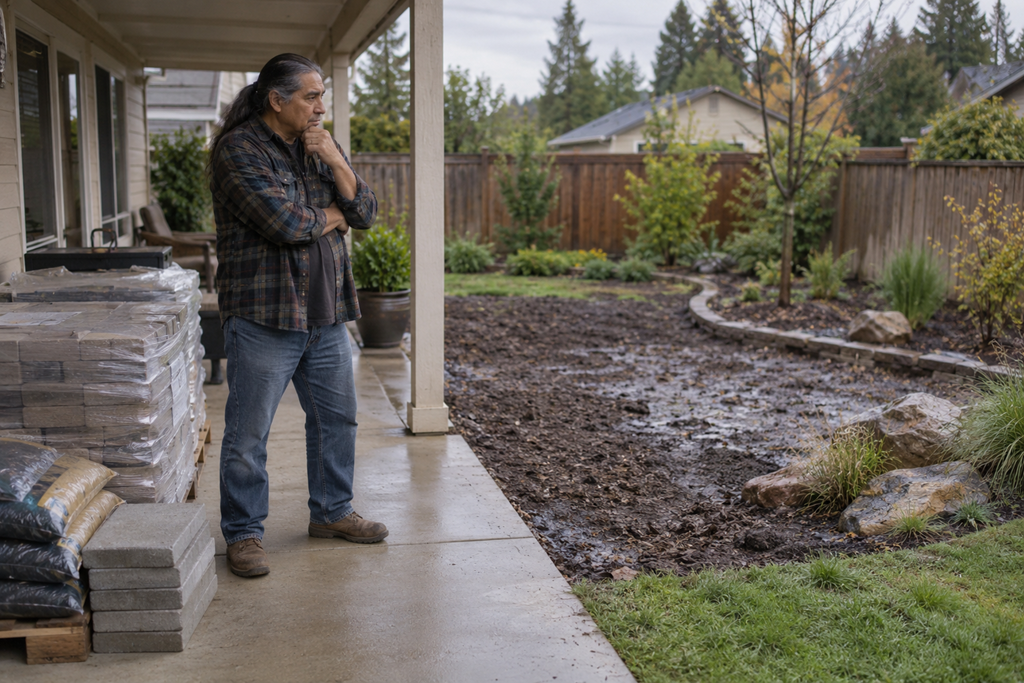
Rain may leave soil or access areas wetter than expected. Heat may affect how certain work is scheduled or how materials and plants are handled. A property can also remain affected after the weather itself has changed, meaning a clear day does not necessarily make every part of the site immediately ready.
The important distinction is that weather does not have to be dramatic to influence a project.
Homeowners sometimes picture a weather delay as a major storm that completely stops work. In reality, the issue may simply be whether conditions are appropriate for the next planned phase.
That is something a landscaping professional should be able to discuss in practical terms without making the schedule sound more certain than it really is.
Small Changes Can Affect Each Other
Materials and weather do not always create schedule changes separately.
A material that arrives later than expected may push one phase into a period when conditions are less favorable. A weather-related pause may cause the crew to miss the window originally planned for another delivery or project phase.
That combination can make what appeared to be a small change at the beginning affect more of the schedule later.
This is one reason homeowners can become confused when a provider initially mentions one minor delay and the completion date changes more than expected.
The missing piece is often the sequence between the individual parts of the project.
A clear explanation should connect those pieces: what changed, which phase was affected, whether another phase can still proceed, and what the revised plan looks like.
The Most Useful Timeline Questions Are About Dependencies
When comparing Sacramento-area landscaping providers, asking only, “How long will this take?” may not tell you enough.
A few more specific questions can reveal how the schedule is likely to be managed:
- Which materials need to be ordered or confirmed before the project begins?
- Are any of my selections especially dependent on supplier availability?
- Which parts of the project are most likely to be affected by weather?
- If a delivery or weather issue changes the schedule, how will I be updated?
- Could a delay in one phase affect the timing of later phases?
These questions are not about demanding certainty that a contractor cannot realistically provide. They are about understanding what the proposed timeline depends on.
A provider who can explain those dependencies clearly may give you a more useful picture than one who simply gives you a confident completion date without explaining what could change it.
A Timeline Change Is Not Automatically a Red Flag
A landscaping schedule moving does not necessarily mean something has gone wrong with the provider relationship.
Materials can become unavailable. Deliveries can change. Conditions on the property can change.
What matters is what happens next.
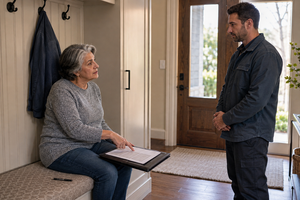
A reasonable schedule adjustment should usually come with enough information for the homeowner to understand why the change occurred and what the provider expects to happen next.
The situation becomes harder to evaluate when explanations remain vague, updates are inconsistent, material substitutions appear without a clear discussion, or the schedule repeatedly changes without connecting those changes to the actual project.
One isolated delay and an ongoing communication problem are not the same thing.
That distinction can help homeowners avoid both extremes: assuming every delay means poor service or accepting an unclear timeline indefinitely simply because landscaping projects can be unpredictable.
Clear Communication Matters More Than a Perfect Prediction
No landscaping provider can control every supplier or every weather condition.
What a provider can control is how thoughtfully the project is planned, how important dependencies are discussed, and how changes are communicated when the original plan no longer fits reality.
Before hiring, it can be helpful to understand whether major materials are already available or still need to be sourced, which phases depend heavily on conditions at the property, and how the contractor handles schedule updates.
That gives you something more useful than a date alone: an understanding of how the timeline is supposed to work.
When materials and weather do create a change, you can then evaluate the revised plan based on the explanation behind it rather than simply wondering why the original date moved.