Planning for garage door maintenance does not mean trying to diagnose every part yourself. It means paying attention to small changes, keeping track of what you notice, and knowing when a qualified garage door professional should take a closer look.
For Sacramento homeowners, the garage door often becomes part of the daily routine. It opens before work, closes after errands, protects stored items, and may serve as one of the main entry points into the home. Because it works in the background, maintenance is easy to forget until the door starts sounding different, moving unevenly, or refusing to respond the way it usually does.
A simple maintenance plan helps you move from guessing to observing. Instead of waiting until something feels urgent, you can notice patterns early and ask clearer questions before scheduling service.
The Small Changes Homeowners Usually Notice First
Garage door problems rarely feel obvious at the beginning. A homeowner may hear a new scraping sound, notice the door seems slower than usual, or realize the opener works only after pressing the remote more than once. Sometimes the door still opens and closes, so the issue gets brushed aside.
That is where many maintenance problems become confusing. If the door technically still works, it may not feel like a service concern yet. But repeated noises, uneven movement, shaking, gaps, hesitation, or sudden changes in how the opener responds can all be worth noting.
The goal is not to panic over every sound. The goal is to recognize when something has changed from normal.
Why Garage Door Maintenance Is Easy To Delay
Garage doors are easy to ignore because they are built into everyday life. Many homeowners only think about them when they stop working completely. If the door opens most of the time, the problem may seem minor enough to postpone.
That delay is understandable. Homeowners are busy, service appointments take planning, and no one wants to schedule a repair unnecessarily. But waiting too long can make it harder to explain what changed, when it started, and whether the problem is getting worse.
Planning maintenance gives you a better middle ground. You do not have to treat every concern like an emergency, but you also do not have to wait until the door becomes unreliable.
What A Useful Maintenance Plan Actually Means
A practical garage door maintenance plan is less about doing technical work yourself and more about staying aware of the door’s condition.
For most homeowners, that means noticing how the door sounds, how smoothly it moves, whether it closes evenly, and whether the wall button, keypad, or remote responds consistently. It also means paying attention after long stretches of heat, dry conditions, or seasonal rain, especially if the door is exposed to sun, dust, moisture, or frequent use.
This type of planning helps you describe the issue clearly when you contact a local garage door service provider. Instead of saying, “Something seems off,” you can explain that the door has started shaking near the top, making noise near one side, stopping before it reaches the floor, or responding differently depending on the control being used.
That kind of detail can make the service conversation more productive.
Maintenance Planning Is Not The Same As DIY Repair
One common misunderstanding is that planning for garage door maintenance means handling the work yourself. That is not the point.
Garage doors have heavy moving parts, springs, cables, tracks, rollers, openers, sensors, and safety features that can affect how the system works. Some parts are not appropriate for casual homeowner repair. A homeowner-friendly plan should focus on observation, preparation, and informed decision-making rather than technical adjustments.
You can notice what changed. You can clear general clutter near the door. You can write down questions. You can avoid forcing the door when something feels wrong. But when the issue involves movement, balance, springs, cables, track alignment, opener behavior, or safety concerns, it is usually better to discuss it with a qualified professional.
The Value Of Tracking Patterns Before Scheduling Service
Small garage door issues become easier to explain when you track the pattern.
For example, a door that makes one sound once may not tell you much. But a door that squeaks every morning, shakes only when closing, or fails to respond from one remote but not the wall control gives a service provider more useful context.
Helpful details may include:
- When the issue started
- Whether it happens every time or only sometimes
- Whether the sound or movement comes from one side
- Whether the problem happens when opening, closing, or both
- Whether weather, time of day, or repeated use seems to make it more noticeable
- Whether the opener, wall button, remote, or keypad behaves differently
This does not need to be complicated. Even a few notes on your phone can help you remember what has been happening.
Planning Ahead Can Make Estimates Easier To Understand
Maintenance planning can also help when comparing local garage door service providers. If you already know what you have noticed, you can ask more specific questions and listen for clearer explanations.
A provider should be able to explain what they are evaluating, what concern they see, and whether they are recommending maintenance, repair, or replacement of a specific part. If the explanation is vague, rushed, or focused only on selling a larger service without addressing your original concern, it is reasonable to ask follow-up questions.
Clear communication matters because garage door issues can involve several connected parts. A noisy door may involve rollers, hinges, tracks, opener strain, balance concerns, or normal wear. A door that closes unevenly may need a different kind of evaluation than a door that simply has a worn seal. Planning ahead helps you understand whether the recommendation fits the problem you described.
Questions Worth Asking Before A Maintenance Appointment
Before scheduling garage door maintenance, Sacramento homeowners can benefit from asking a few practical questions. These questions are not about testing the provider. They are about understanding what will happen during the visit.
You might ask:
- What parts of the garage door system will be inspected?
- Will the opener, tracks, rollers, springs, cables, and safety features be evaluated?
- Can you explain the difference between routine maintenance and a needed repair?
- If you find a concern, will you explain the options before doing additional work?
- Are there signs that would make replacement more reasonable than repair?
- What information should I share before the appointment?
The answers can help you understand whether the provider communicates clearly and whether the appointment matches your concern.
Common Maintenance Mistakes That Create Confusion
One common mistake is waiting until the garage door stops working entirely before asking for help. That can leave homeowners trying to make decisions quickly, especially if a car is trapped inside or the door will not close securely.
Another mistake is focusing only on the opener. If the remote is slow to respond, it is easy to assume the opener is the entire problem. Sometimes that may be true, but the door’s movement, balance, sensors, tracks, and hardware can also affect how the system behaves.
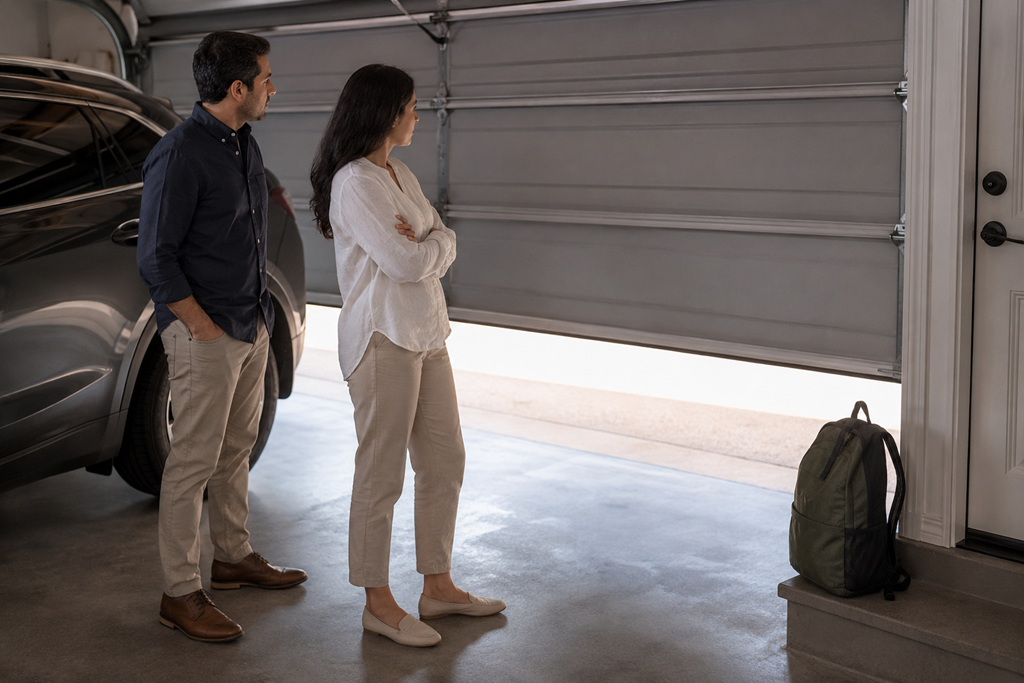
A third mistake is ignoring uneven movement because the door still closes. A door that looks slightly crooked, leaves a gap, or moves differently on one side may be signaling that something deserves evaluation.
The better habit is to treat noticeable changes as information. Not every change means a major problem, but repeated changes are worth paying attention to.
Older Doors And Frequent Use Deserve Extra Attention
Some Sacramento-area homes have garage doors that have been used for years without much thought. Others have busy households where the door opens and closes many times a day. In both cases, maintenance planning becomes more useful.
Frequent use can make small changes show up sooner. Older doors may also have worn parts that still function but no longer operate as smoothly as they once did. Sun exposure, dust, temperature swings, and seasonal moisture can add to the wear over time.
That does not mean every older garage door needs replacement. It means homeowners should be prepared to ask whether the system is still working smoothly, safely, and reliably enough for daily use.
A More Informed Way To Approach Garage Door Service
The best maintenance plan is simple: know what normal looks and sounds like, notice when that changes, write down the pattern, and ask clear questions before hiring or approving work.
That approach helps you avoid two extremes. You do not have to ignore a problem until it becomes disruptive, and you do not have to assume every small issue means a major repair. You can enter the service conversation with better information and a clearer sense of what you want evaluated.
For Sacramento homeowners, garage door maintenance planning is really about staying ahead of confusion. When you understand what to watch for and how to describe it, you are better prepared to compare providers, review recommendations, and make a more informed local service decision.