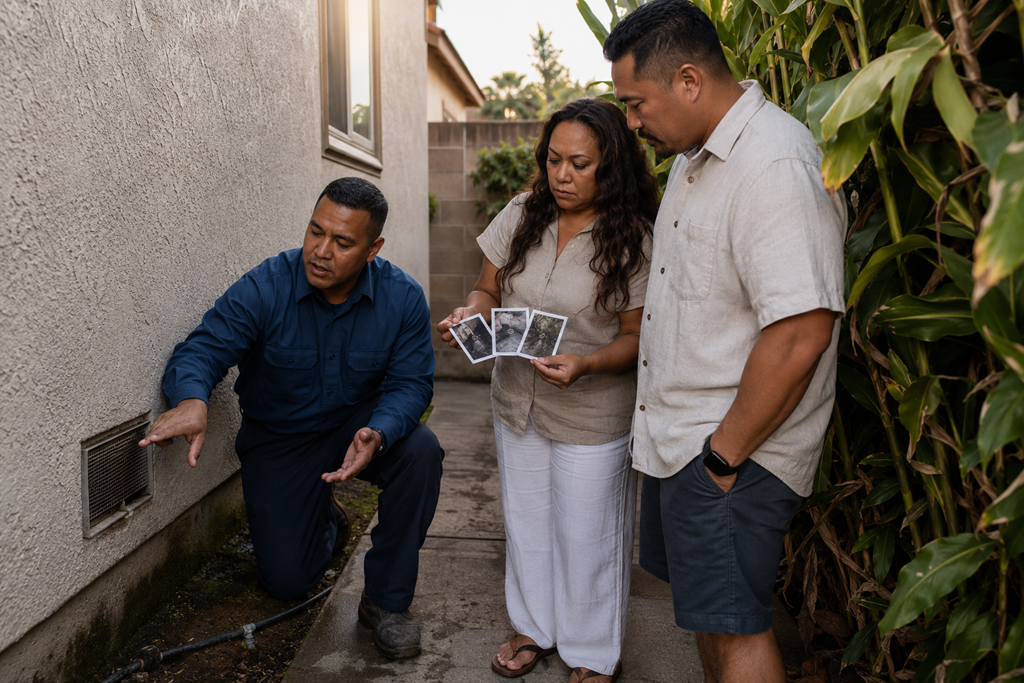
Pest prevention works best when it is treated as a normal part of caring for a home, not as a separate project that begins only after insects or rodents are already noticeable. For Sacramento-area homeowners and renters, that means connecting pest awareness to familiar maintenance moments, such as checking doors, reviewing moisture concerns, organizing storage, or planning seasonal service, so small warning signs are easier to notice and discuss before they become harder to ignore.
Many people think about pest control only after they see repeated activity inside the home. Until then, prevention can feel like one more responsibility competing with repairs, cleaning, landscaping, and everyday household demands.
The more practical approach is not to turn every resident into a pest expert. It is to make basic pest awareness part of the maintenance habits that already exist.
Connect Pest Awareness To Tasks You Already Handle
A prevention routine is easier to maintain when it is attached to something familiar.
When a homeowner checks a door that is no longer closing properly, the condition of the surrounding gaps can also be noticed. When plumbing or irrigation concerns are reviewed, unexplained moisture near walls, cabinets, or exterior surfaces can be mentioned. When a garage, pantry, attic entrance, or storage area is reorganized, unusual debris, damaged packaging, or recurring activity can be documented.
These moments do not require a detailed inspection or a technical diagnosis. They simply create regular opportunities to notice whether something has changed.
That distinction matters because pest prevention often breaks down when it is treated as a completely separate home project. A household may remember to think about it for a few weeks after a service appointment and then gradually stop paying attention.
Connecting prevention to ordinary maintenance gives it a more natural place in the household routine.
Look For Patterns Instead Of Reacting To Every Sighting
Seeing one insect does not always explain where it came from, whether there is an established problem, or what kind of response may be appropriate. At the same time, repeatedly dismissing activity in the same location can allow a useful pattern to go unnoticed.
The goal is not to become alarmed by every isolated sign. It is to recognize repetition.
For example, a homeowner might notice activity appearing near the same exterior door, moisture returning beneath the same cabinet, or packaging being disturbed in the same storage area. Those repeated observations can give a pest control professional more useful context than a general statement that pests occasionally appear somewhere in the home.
A simple photograph or note about the location can help preserve that context. The information does not need to be elaborate. It only needs to make the pattern easier to describe when requesting an evaluation.
Prevention Is Broader Than Applying A Treatment
One common misunderstanding is that pest prevention means regularly applying a product and nothing more.
Professional treatments may be one part of a prevention plan, but pest activity can also be affected by access points, moisture, food sources, storage conditions, landscaping, waste handling, and structural wear. A service may address one part of the situation while ordinary property maintenance addresses another.
This is why communication between the resident and the provider matters. A homeowner who understands which conditions are being treated and which conditions may require maintenance is better positioned to evaluate whether the plan is practical.
It also prevents a common source of frustration: expecting a service visit to correct a door gap, plumbing concern, damaged screen, roof opening, or storage issue that falls outside the provider’s scope.
A clear provider should be able to explain what the service is intended to address, what the resident should continue observing, and whether another type of qualified professional may need to evaluate a contributing property condition.
A Well-Kept Home Can Still Experience Pest Activity
Pest concerns are sometimes treated as evidence that a home is dirty or poorly managed. That assumption can make residents embarrassed to bring up early signs or reluctant to request an evaluation.
In reality, pest activity may involve factors that are not obvious during ordinary cleaning. Small openings, shared walls, changing outdoor conditions, deliveries, drainage concerns, neighboring properties, and aging building materials may all affect what happens around a home.
Sacramento-area properties also experience periods of heat, dry conditions, and seasonal rain that can change where insects or rodents seek food, moisture, or shelter. Those shifts do not automatically mean a household failed to maintain the property.
Regular maintenance cannot guarantee that pests will never appear. What it can do is make unusual changes easier to recognize and provide better information when professional guidance is needed.
Match The Routine To The Property
Pest prevention does not have to look identical in every home.
A detached house with a garage, mature landscaping, and multiple exterior access points may require different observations than an upstairs apartment. An older property may have more areas where materials have shifted or worn. A household that stores pet food, gardening supplies, or bulk groceries may need to think differently about storage than one that keeps very little on hand.
Renters may also have a different role from homeowners. They can observe activity, document where it occurs, and report maintenance concerns, while a landlord or property manager may control structural repairs and provider scheduling.
The useful question is not, “What prevention schedule does every home need?” It is, “Which parts of this property are most likely to need regular attention, and who is responsible for addressing them?”
A qualified local pest control professional should be willing to consider the actual property rather than automatically recommending the same approach for every household.
Avoid Letting Prevention Become An Emergency-Only Habit
Another common pattern is alternating between ignoring pest prevention and responding urgently when something appears.
That cycle can lead to rushed provider choices, unclear expectations, and difficulty comparing services. A resident who feels pressured by an active concern may focus only on how quickly someone can arrive rather than asking what the provider will evaluate, what the service includes, or what follow-up may be needed.
Making prevention part of routine maintenance creates more room to make decisions before the situation feels pressing. It allows residents to learn which provider questions matter, understand the property’s recurring concerns, and distinguish an isolated event from a repeated pattern.
This does not mean every minor sign requires a service appointment. It means the household already has a reasonable way to notice, record, and discuss changes when necessary.
Questions That Keep A Prevention Plan Practical
When speaking with a Sacramento-area pest control provider, a few focused questions can help connect professional service with ongoing home maintenance:
- What property conditions appear to be contributing to the activity?
- Which parts of the concern will your service address?
- Are there maintenance issues that may need evaluation by someone else?
- What should we watch for after the appointment?
- How will you determine whether follow-up service is appropriate?
The answers should be specific enough to help the resident understand the plan. Be cautious when explanations remain vague, every property is given the same recommendation without discussion, or a provider pressures you to commit before explaining the scope of service.
Make Prevention Part Of Caring For The Property
Pest prevention becomes more manageable when it stops being an occasional reaction and becomes one consideration within regular home care.
The purpose is not to inspect every corner constantly or assume that every small sign indicates a larger problem. It is to notice recurring changes, understand how maintenance conditions may be connected, and have better information available when speaking with a qualified provider.
For Sacramento-area residents, that approach can make pest control decisions feel less rushed and more connected to the way the property is actually maintained.