A pest issue is probably getting worse when the evidence becomes more frequent, appears in more parts of the property, or begins causing new damage, odors, sounds, droppings, nesting material, or daytime activity. One isolated sighting can be hard to interpret, but a pattern that grows in frequency, spread, or impact is a stronger reason to arrange a qualified inspection.
The difficult part is that pest activity rarely increases in a perfectly obvious way. You might notice an insect one evening, hear a sound inside a wall several days later, or find damaged packaging without knowing whether the clues are connected. That uncertainty can make a minor incident feel serious—or make a developing problem seem easy to dismiss.
The clearest way to judge the situation is to look at three things: how often the evidence appears, how far it has spread, and how much it is affecting the property or daily life.
Look for a developing pattern, not one unsettling moment
A single ant, spider, beetle, or other occasional visitor does not always mean there is an established pest problem. Doors open, packages enter the home, and outdoor pests sometimes find their way inside without remaining there.
A repeated pattern carries more meaning.
For example, seeing one insect near an exterior door may be less concerning than seeing similar activity in the kitchen, pantry, bathroom, and an interior closet over a short period. Hearing one unexplained sound may be difficult to interpret, while recurring sounds in the same wall or ceiling area can provide a more useful clue.
The question is not simply, “Did I see a pest?”
A better question is, “Is the evidence becoming more frequent, more widespread, or more disruptive?”
Increasing frequency is one of the clearest signals
How often the evidence appears can matter more than how dramatic one sighting seems.
A problem may be developing when:
- Sightings that were occasional begin happening repeatedly.
- Activity appears on several consecutive days or nights.
- New droppings, shed material, damaged packaging, or nesting evidence continues to appear after the area has been cleaned.
- Scratching, movement, or other sounds become easier to notice or occur at more times of day.
- The same type of pest keeps returning to the same area.
This does not mean every repeated sighting confirms a large infestation. It does mean the activity is less likely to be a completely isolated event.
Keeping a simple record of where and when evidence appears can make the pattern easier to explain when speaking with a pest control provider. Photographs can also help distinguish old evidence from new activity without requiring you to disturb a suspected nest, droppings, or damaged area.
Activity spreading into new areas deserves attention
A pest issue may also be getting worse when it is no longer confined to one location.
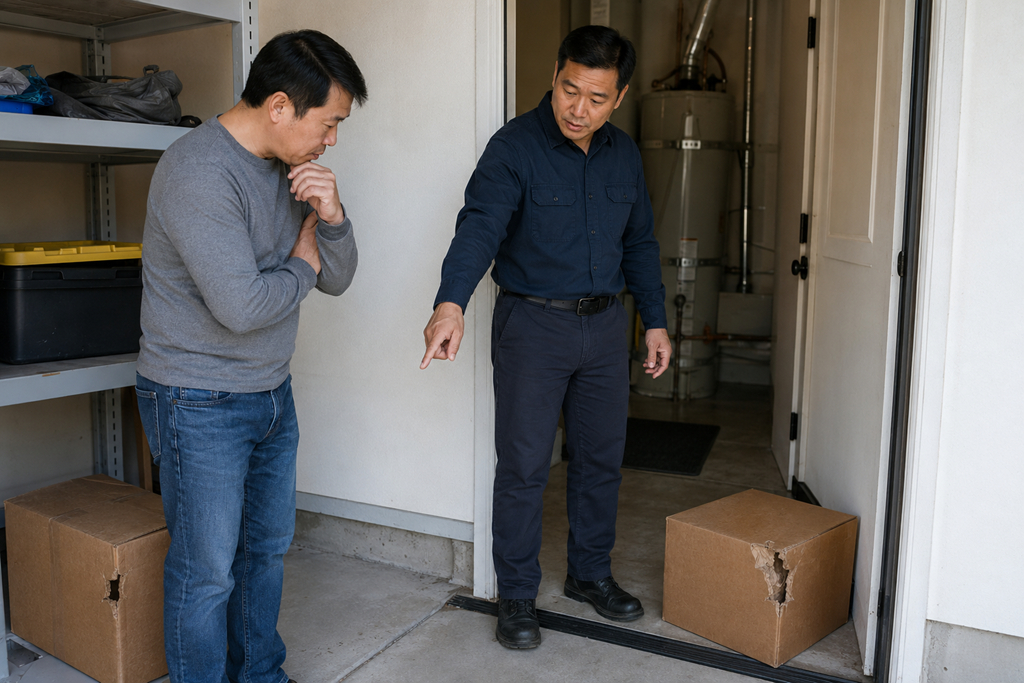
An insect problem that begins near a window but later appears inside cabinets or food-storage areas has changed in scope. Rodent evidence that was limited to a garage but later appears near an interior utility space may also suggest that the activity has moved.
Spread does not always happen room by room. You may instead notice related signs in separate places, such as damaged packaging in one area and droppings or nesting material somewhere else.
In Sacramento-area properties, changing heat, dry conditions, or seasonal rain can influence where pests are noticed. A temporary move indoors does not automatically prove that the overall population has grown. However, continued activity in multiple interior areas is a useful reason to ask a professional how the pests may be entering and whether the locations are connected.
The impact on the property may be increasing
Some pest concerns become more serious because of what the pests are doing, even when the number of sightings has not changed dramatically.
Possible signs of increasing impact include:
- More food packages or stored materials being damaged.
- Gnawing, staining, holes, or surface damage appearing in additional places.
- Nesting material accumulating after it has previously been noticed.
- Odors becoming stronger or more persistent.
- Plants, fabrics, paper goods, wood, or stored products showing continuing damage.
- The issue beginning to interfere with the use of a room, cabinet, storage area, or outdoor space.
Damage can be easier to evaluate than sightings because it leaves a visible record. A pest may remain hidden while its effects continue to grow.
Avoid handling unfamiliar nesting material, droppings, stinging-insect nests, or heavily damaged areas. A qualified provider can determine what type of evidence is present and whether special precautions are appropriate.
Daytime sightings can provide context, but they do not tell the whole story
People sometimes assume that seeing a normally hidden or nighttime pest during the day always means a severe infestation. It can be a meaningful clue, but it should not be treated as proof by itself.
Daytime activity may occur because a pest was disturbed, food or water became available, its hiding area changed, or outdoor conditions pushed it into a different location. In other cases, increased daytime activity may reflect crowding or a larger population.
The surrounding pattern matters. One daytime sighting with no other evidence is different from repeated daytime activity combined with droppings, damage, odors, or sightings in multiple rooms.
A pest control professional should be able to explain how much importance they place on the time of the sighting and what other evidence supports their assessment.
A quiet period does not always mean the issue has ended
Pest activity can appear to stop temporarily.
Pests may change hiding locations, become less visible after a food source is removed, or become quieter when activity around the property changes. Some problems also fluctuate with weather and access to water, shelter, or food.
That means a few quiet days do not necessarily confirm that the issue is resolved. At the same time, it is unnecessary to assume that hidden activity is continuing without evidence.
Look at the longer pattern. If new signs stop appearing and no additional damage develops, the concern may have been limited. If activity returns repeatedly or appears elsewhere, the temporary pause may have been misleading.
Old evidence can make a problem look more active than it is
Not every mark, dropping, insect shell, damaged box, or nesting fragment is new.
This is one reason pest concerns are easy to misjudge. Old evidence may remain in an undisturbed garage corner or storage area for a long time. A homeowner may discover several signs at once and reasonably assume they all appeared recently.
A professional inspection should distinguish, when possible, between evidence of previous activity and signs that appear fresh or ongoing. That distinction can affect the recommended service, the expected follow-up, and whether treatment is necessary throughout the property or only in a limited area.
Be cautious of anyone who uses one unexplained clue to make broad claims without examining the surrounding area or asking about the history of the problem.
Recurring activity after a service should be evaluated in context
Seeing a pest after a treatment does not automatically mean the service failed. Some service approaches are designed to affect pest activity over time, and pests may temporarily become more noticeable as they leave hiding areas.
What matters is whether the provider clearly explained what you might observe, how long the expected response could take, and what would count as an unexpected recurrence.
Activity may deserve another evaluation when it continues beyond the provider’s stated expectations, appears in new areas, causes additional damage, or returns after it had substantially decreased.
Before agreeing to another service, ask the provider to explain whether the new evidence represents continued activity, reinfestation, a separate entry point, or a different pest altogether.
What to discuss with a pest control provider
A useful pest control consultation should be based on evidence rather than pressure. You can help the provider understand the pattern by describing the locations, frequency, approximate timing, and changes you have observed.
Consider asking:
- What evidence suggests that the issue is active rather than old?
- Do the different sightings or damaged areas appear connected?
- How will you determine the likely source or entry area?
- What signs would show that the problem is improving?
- What changes would justify follow-up service?
- Which recommendations address the current problem, and which are preventive?
Clear answers should help you understand the reasoning behind the recommendation. A provider should also be willing to explain uncertainty when the available evidence does not support a definite conclusion.
The direction of change is more useful than one dramatic clue
The strongest indication that a pest issue is getting worse is not usually one frightening sighting. It is a continuing change in the pattern.
More frequent evidence, activity in additional locations, and increasing damage or disruption are stronger warning signs than one isolated encounter. By paying attention to those changes, Sacramento-area homeowners, renters, and property managers can describe the concern more accurately and make a better-informed decision about whether to request an inspection.
The goal is not to identify every pest or determine the full extent of the problem on your own. It is to recognize when the evidence is developing enough to justify a qualified evaluation—and to choose a provider who can explain what the evidence actually means.