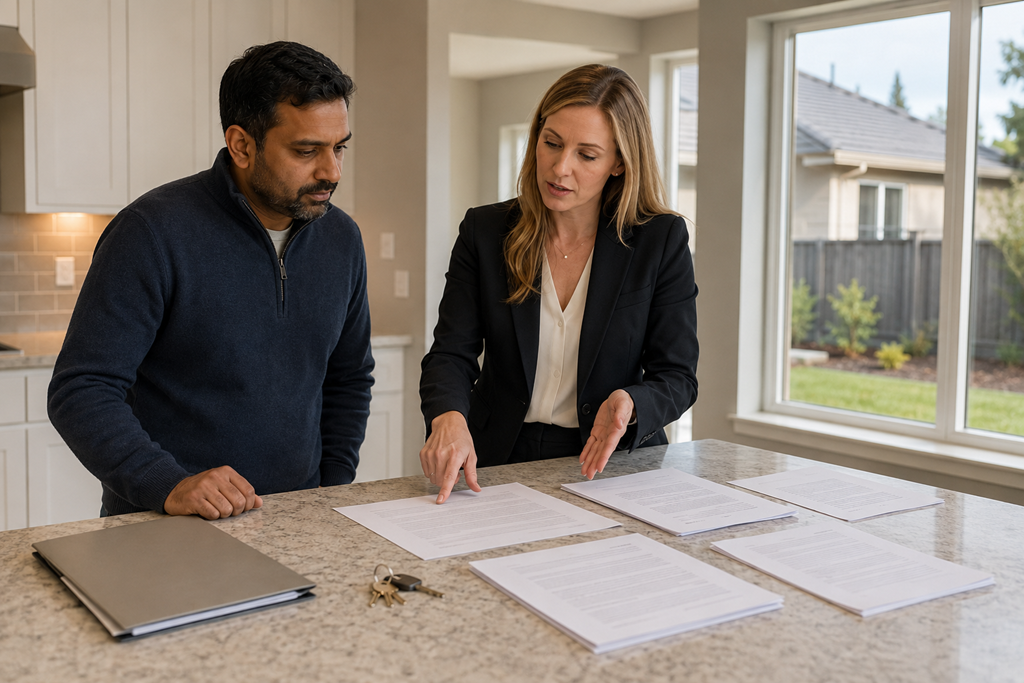
Buying a home can cost more than the price shown in the listing because the purchase itself creates several layers of expense. Beyond the down payment and mortgage payment, buyers may encounter closing costs, inspections, insurance, taxes, moving expenses, and the practical costs of maintaining the property after the keys are handed over. Understanding those layers early can make a Sacramento-area home purchase feel easier to evaluate.
For many buyers, the purchase price is naturally the number that gets the most attention. It is large, visible, and easy to compare from one property to another. But it does not show the complete financial picture.
That distinction matters because a home that appears manageable based on its asking price can feel very different once the other costs connected with purchasing and owning it are considered.
The Purchase Price Is Only One Part Of The Decision
A home purchase usually involves costs at more than one point in the process.
Some expenses occur before or around the time the purchase is completed. Others become part of the household budget after the buyer moves in. Still others may not appear immediately but can become important when the property needs maintenance, repairs, or replacement of aging components.
This does not mean every buyer will face the same expenses or that every home will create the same financial demands. It means buyers benefit from looking beyond one headline number.
A useful way to think about the decision is to separate the costs into three broad groups:
- money needed to complete the purchase
- recurring costs of owning the property
- practical expenses that may arise after taking ownership
The exact amounts can vary significantly by property, financing arrangement, insurance needs, location, and the buyer's circumstances.
Upfront Costs Can Extend Beyond The Down Payment
The down payment is often the most familiar upfront expense, but it may not be the only money a buyer needs to prepare for.
Depending on the transaction, buyers may encounter expenses connected with inspections, appraisals, loan-related charges, title or escrow services, insurance, and other closing costs. Moving expenses and immediate property needs can also become part of the transition.
The important point is not to memorize every possible charge. It is to understand that the amount required to complete a purchase may be different from the amount represented by the down payment alone.
That is why asking for a clear explanation of expected transaction costs can be more useful than focusing on a single percentage or estimate.
The Monthly Housing Cost May Include More Than The Mortgage
Buyers sometimes use the expected mortgage payment as the main test of affordability.
That payment is important, but it may not represent the entire recurring cost of owning the home.
Property taxes, homeowners insurance, mortgage insurance when applicable, homeowners association charges, utilities, and other recurring property expenses may affect the household budget. Which costs apply depends on the home and the buyer's situation.
This is an easy area to misunderstand because several expenses may be handled differently. Some may be included within a lender-managed payment arrangement, while others may be paid separately.
Instead of assuming the mortgage estimate represents the complete monthly obligation, buyers can ask which recurring expenses are included and which ones they will need to account for independently.
A Home Can Create Expenses Soon After The Purchase
Closing does not end the financial side of becoming a homeowner.
A newly purchased property may need nothing significant right away, or it may come with a collection of smaller expenses that become noticeable once the buyer moves in.
Moving costs, window coverings, minor repairs, appliance replacement, landscaping needs, security changes, furnishings, and routine maintenance are examples of expenses that can appear after ownership begins.
Some of these may be optional. Others may become more important depending on the home's condition and the buyer's priorities.
This is one reason the question "Can I afford to buy this home?" is often more useful when expanded to "Can I comfortably handle the purchase and the responsibilities that begin afterward?"
The Condition Of The Property Can Change The Cost Picture
Two homes with similar purchase prices can create very different ownership experiences.
One property may have recently updated major systems and require relatively little immediate attention. Another may have an older roof, aging heating and cooling equipment, worn exterior materials, older appliances, drainage concerns, or other items that could eventually need attention.
A home inspection and other appropriate professional evaluations can help a buyer understand the property's visible condition before making decisions based on assumptions.
An inspection cannot predict every future expense, but it can give buyers additional context for thinking about what ownership may involve.
For Sacramento-area buyers comparing homes, this can be an important reminder that price alone does not necessarily show which property will fit the household budget more comfortably over time.
Small Cost Assumptions Can Add Up
Homebuying decisions can become harder when several optimistic assumptions are made at the same time.
A buyer may assume that insurance will cost a certain amount, that utilities will remain similar to their current home, that no major repairs will be needed, or that move-in expenses will be minimal.
Any one assumption may seem reasonable. Several uncertain assumptions combined can create a financial picture that is less dependable than it first appears.
The goal is not to predict every future expense. That would be unrealistic.
The more practical goal is to identify which numbers are known, which are estimates, and which still need clarification before making a commitment.
Ask For The Fuller Cost Picture Before Committing
When discussing a potential purchase with qualified professionals, buyers can ask a few focused questions:
- What costs should I expect in addition to the down payment?
- Which expenses are included in the estimated monthly payment?
- Which recurring property expenses would I pay separately?
- Are there property-related costs I should investigate before deciding?
- Which figures are confirmed and which are still estimates?
A lender, real estate professional, insurance professional, home inspector, tax professional, or other qualified adviser may address different parts of the picture. No single professional necessarily controls or can predict every cost.
This article is educational rather than financial, tax, legal, lending, or real estate advice. Buyers should discuss their specific situation with appropriately qualified professionals before making financial commitments.
A Better Question Is What The Home Will Cost To Buy And Own
Understanding homebuying costs is less about calculating one perfect number and more about seeing the whole decision clearly.
The listing price matters. So do the expenses required to complete the transaction, the recurring costs that follow, and the condition of the property being purchased.
When buyers consider those pieces together, they are better positioned to compare homes based on what ownership may actually require rather than relying only on the price attached to the property.
For Sacramento-area homebuyers, that broader view can make conversations with lenders, real estate professionals, inspectors, and other professionals more productive before a purchase decision is made.