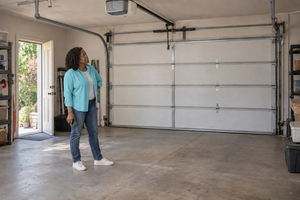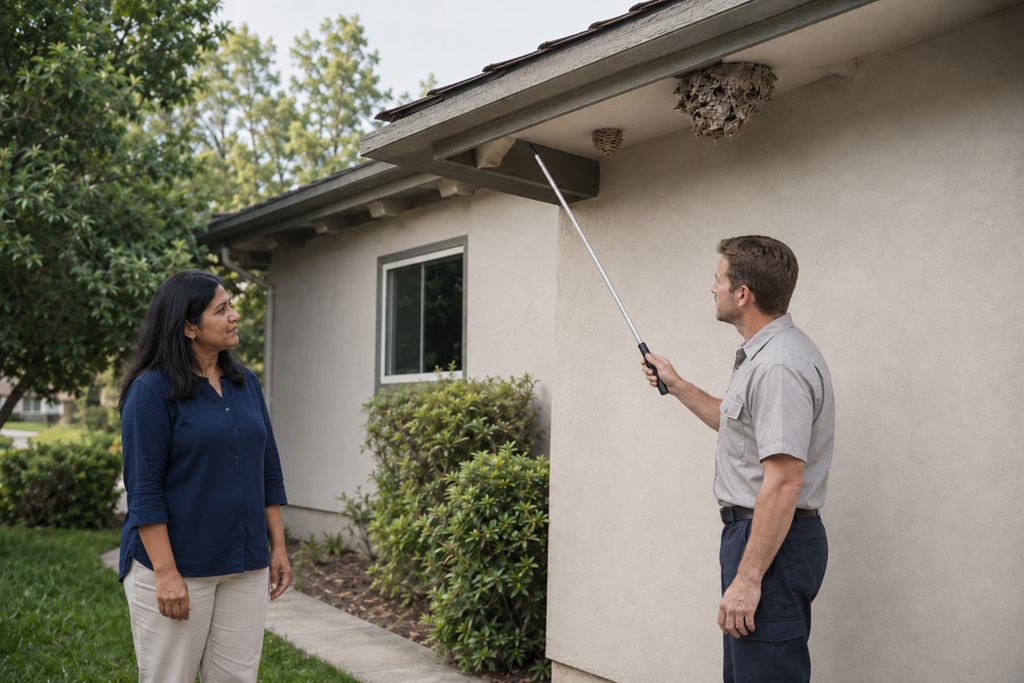
Seasonal pest activity means that insects and rodents often become more noticeable when heat, dry conditions, rain, moisture, food sources, or shelter needs change. For Sacramento-area homeowners, the important question is not simply whether a pest appeared, but whether the timing, location, and repetition point to a temporary outdoor shift or a condition that deserves professional evaluation.
In real life, the pattern can feel confusing. Ants may suddenly appear near a sink after months without a problem. Scratching may be heard in a garage when outdoor conditions change. Wasps may return to the same side of a home, or spiders may become more visible around doors and exterior lights. These changes do not always mean that the property has developed a severe infestation, but they can reveal where pests are finding food, moisture, shelter, or access.
Pests Respond to Conditions, Not Just the Calendar
The word “seasonal” can make pest activity sound as though it follows a fixed schedule. In practice, pests respond to conditions more than dates.
Sacramento’s heat, dry periods, irrigation, seasonal rain, and temperature changes can affect where insects and rodents look for resources. Activity may increase outdoors when conditions support feeding and nesting. It may also move closer to the home when outdoor food, water, or shelter becomes less available.
This is why the same property may experience different concerns at different points in the year. A dry side yard, damp foundation area, shaded roofline, garage, crawlspace, or kitchen plumbing area can each become more attractive under different conditions.
The helpful reframe is that seasonal activity is a clue, not a diagnosis. Timing provides context, but the location and recurrence usually provide more useful information.
One Sighting Is Not the Same as a Recurring Pattern
Seeing one insect does not automatically establish that a large population is living inside the home. An occasional pest may have entered through an open door, arrived with a package, or wandered indoors as outdoor conditions changed.
Repeated activity deserves a closer look.
A homeowner may notice that pests:
- Appear in the same room or along the same route
- Return during similar weather conditions
- Gather near a particular moisture or food source
- Reappear after temporary treatments
- Leave droppings, nesting material, damaged packaging, webs, shed material, or other evidence
- Become noticeable in several areas instead of one isolated location
The difference between a single sighting and a repeating pattern can influence whether monitoring is reasonable or whether an inspection should be discussed with a qualified pest-control provider.
The Location Often Matters More Than the Number
A small amount of activity in a meaningful location can reveal more than a larger number of pests seen outside.
For example, several insects around an outdoor light may reflect normal outdoor activity. A smaller number repeatedly emerging from a cabinet seam, wall opening, appliance area, or plumbing penetration may suggest that the source deserves closer attention.
The same principle applies to rodents. Seeing one outside near landscaping is different from finding droppings, gnawing, nesting material, or repeated noises inside a garage, attic, storage area, or wall.
When evaluating a seasonal concern, consider where the activity begins rather than only where the pest is eventually noticed. The visible insect or rodent may be several feet away from the food source, moisture source, nest, or access point that is supporting the pattern.
Weather Changes Can Push Activity Toward the Home
A sudden increase in indoor pest activity sometimes happens because outdoor conditions have changed.
During hot or dry stretches, insects may move toward irrigated landscaping, pet water, plumbing moisture, shaded foundations, or indoor food sources. After rain or cooler conditions, rodents and other pests may look for dry, protected shelter.
That does not mean every weather change will produce a pest problem. Properties differ in construction, landscaping, drainage, storage, maintenance, and available entry points. Two nearby homes can experience very different activity during the same conditions.
This is also why a treatment that seemed effective during one part of the year may appear less effective later. The pest pressure, route of entry, or resource attracting the pest may have changed.
Seasonal Activity Can Reveal Property Conditions
A recurring pest pattern may point to a condition around the property that is worth discussing during an inspection.
Common contributing conditions can include:
- Moisture collecting near a foundation, sink, appliance, utility area, or irrigation component
- Vegetation or stored materials creating protected areas near the home
- Gaps around doors, vents, pipes, rooflines, or utility openings
- Accessible pet food, birdseed, dry goods, trash, or recycling
- Cardboard boxes or cluttered storage that provides concealed shelter
- Damaged screens, weather stripping, or door seals
- Outdoor lighting that draws insects close to entrances
These conditions do not prove that a particular pest is established. They help explain why activity may repeatedly appear in one part of the property.
A useful pest-control evaluation should connect the visible evidence to the conditions supporting it. Simply naming the pest without explaining why it may be appearing can leave the homeowner with an incomplete picture.
“It’s Seasonal” Should Not End the Conversation
Seasonality can be a reasonable explanation, but it should not become a vague answer that replaces inspection or clear communication.
A provider should be able to explain what evidence supports the conclusion that the activity is temporary, recurring, or established. The explanation may include the pest’s location, signs of nesting, access points, moisture conditions, food sources, property layout, or the amount of activity found during the inspection.
Homeowners should also be cautious about assuming that every returning pest is unavoidable because it appears during the same conditions each year. A repeating seasonal problem may reveal an access point or environmental condition that has never been fully addressed.
At the same time, recurring activity does not always require the most extensive service available. The appropriate response may depend on the pest, the evidence, where it is occurring, and whether it poses a health, safety, structural, or quality-of-life concern.
What to Ask Before Scheduling Pest-Control Service
A short conversation can help determine whether a provider is evaluating the actual pattern rather than offering a standard treatment without much explanation.
Consider asking:
- What evidence suggests that this is seasonal activity rather than an established indoor problem?
- Which areas of the property should be inspected?
- What conditions may be attracting or supporting the activity?
- Is the proposed service focused on the visible pests, the source, or both?
- What preparation will be needed before treatment?
- How will the provider determine whether the service worked?
- Is follow-up monitoring included or recommended?
- Are there special precautions for children, pets, plants, or food-storage areas?
Clear answers should help you understand what the provider observed, what the proposed service is intended to accomplish, and what may affect whether the activity returns.
Photographs Can Help Reveal the Pattern
Because seasonal activity may disappear before an appointment, photographs can be useful when discussing the issue with a provider.
Images of the pest, the location where it appeared, any droppings or damage, and the surrounding area can provide context. Photographs taken on more than one occasion may also reveal whether activity repeatedly follows the same route or returns to the same part of the property.
Avoid disturbing nests, handling unidentified pests, entering unsafe spaces, or moving materials that may expose you to bites, stings, contamination, or structural hazards. A qualified provider can determine how the area should be examined safely.
The Most Useful Question Is Whether the Pattern Makes Sense
Seasonal pest activity becomes easier to evaluate when the timing, evidence, location, and property conditions tell a consistent story.
A single sighting may require nothing more than observation. Repeated activity in the same place, signs of nesting or damage, uncertain identification, or pests appearing inside occupied areas may justify a professional inspection.
Before hiring a Sacramento-area pest-control provider, look for someone who can explain why the activity may be occurring, what evidence was found, what the proposed service addresses, and what could affect recurrence. That explanation is often more valuable than simply being told that pests are common during a particular season.