Painting over damaged wood can make a home look better for a short time, but it does not fix the problem underneath. If wood is soft, cracked, rotting, swollen, or pulling away from the surface, it should be evaluated and repaired before paint is applied. Paint works best when it protects a sound surface. It is not meant to hold failing wood together.
For Sacramento-area homeowners, this often becomes clear during the early stages of an exterior painting project. A home may look like it simply needs a fresh coat of paint, but closer inspection may reveal trim damage, peeling around windows, soft fascia boards, exposed edges, or wood that no longer feels solid. That can change the scope of the project, the timing, and the questions worth asking before hiring a painting professional.
Fresh Paint Can Hide Damage, But It Cannot Restore Wood
Paint can seal, color, and protect a properly prepared surface. It cannot turn damaged wood back into healthy material.
When wood is already deteriorating, painting over it may cover the visible signs without addressing what caused them. The surface may still move, absorb moisture, crack, or continue breaking down beneath the coating. That can lead to peeling, bubbling, uneven finishes, or the need to revisit the same area sooner than expected.
This is why damaged wood often needs attention before painting begins. The goal is not just to make the surface look cleaner on day one. The goal is to give the paint a better surface to bond to and to help the finished project make sense over time.
What Damaged Wood Usually Looks Like Around A Home
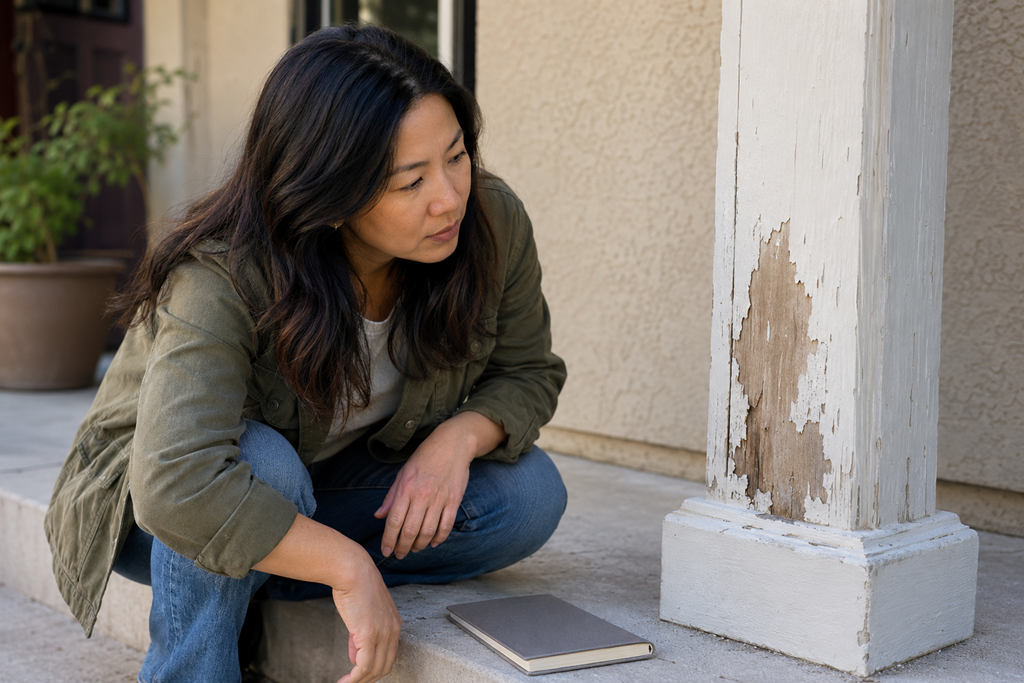
Wood damage does not always look dramatic. Sometimes it appears as a small area of peeling paint near a window, a cracked trim board, a rough spot near the bottom of a door frame, or a section of fascia that looks slightly warped.
Homeowners may notice:
- Paint that keeps peeling in the same area
- Wood that feels soft, brittle, or uneven
- Gaps, cracks, or separation around trim
- Discoloration near exposed edges
- Boards that look swollen, sun-worn, or weather-beaten
- Areas where old paint no longer seems attached to the wood
In Sacramento-area homes, exterior wood can face a mix of sun exposure, dry conditions, seasonal rain, and normal aging. Those conditions do not automatically mean major repairs are needed, but they can make surface preparation especially important before painting.
Why This Matters Before Comparing Painting Estimates
Wood repair affects more than appearance. It can affect the accuracy of an estimate, the timeline of the project, and the expectations for the finished result.
If one painting estimate includes wood repair and another does not, the two quotes may not be covering the same work. One provider may be planning to scrape, prep, prime, and paint only. Another may be accounting for damaged trim, replacement sections, or coordination with a repair professional. Without asking, it can be hard to compare those estimates fairly.
This is where many homeowners get confused. A lower painting quote may look appealing at first, but if damaged wood is not addressed, the finished job may not solve the underlying issue. On the other hand, a higher quote may include preparation or repair details that make the scope more complete.
Before choosing a local painting provider, it helps to understand whether the estimate is only for painting or whether it includes identifying and addressing damaged wood.
Painting Preparation Is Not The Same As Wood Repair
Surface preparation and wood repair are related, but they are not the same thing.
Preparation may include cleaning, scraping loose paint, sanding rough edges, caulking gaps, and priming appropriate surfaces. Wood repair may involve fixing or replacing damaged material before painting can continue. The exact approach depends on the condition of the wood and the provider’s scope of work.
This matters because homeowners sometimes hear “prep is included” and assume that all visible problems will be handled. That may not be true. Basic paint preparation may not cover repairs to wood that is rotted, soft, split, or structurally compromised.
A clear estimate should help separate these issues. It should explain what preparation is included, what repairs are included, what repairs are excluded, and what happens if additional damaged wood is found after work begins.
Small Wood Problems Can Create Bigger Project Questions
A small area of damaged wood does not always mean the entire painting project is in trouble. It does mean the project deserves a closer look before paint is applied.
For example, peeling paint on one trim board may be a surface issue. But if the wood underneath is soft, the better question may be why that area failed and whether painting alone makes sense. A painter may recommend repair before painting, while another provider may suggest that a different trade evaluate the wood depending on the type and extent of damage.
This is not about creating fear around every crack or worn edge. It is about knowing when a cosmetic-looking problem may need a more practical conversation before the painting work moves forward.
Questions To Ask Before Painting Over Worn Wood
When reviewing an estimate or walking through the home with a painting professional, a few simple questions can make the project clearer:
- Does this estimate include any wood repair?
- Are damaged trim, fascia, siding, or door-frame areas excluded?
- What happens if additional damaged wood is found after preparation starts?
- Will repaired areas be primed before painting?
- Are there areas where painting alone may not hold up well?
- Should any section be evaluated by another qualified professional before paint is applied?
These questions do not require the homeowner to diagnose the problem. They simply help clarify whether everyone is looking at the same scope of work.
Why Homeowners Sometimes Put This Off
It is easy to focus first on paint colors, curb appeal, and how the finished home will look. Those are the visible parts of the project. Damaged wood is less exciting to think about because it often feels like an unexpected complication.
Some homeowners also worry that asking about repairs will make the project more expensive. But avoiding the question does not make the damage disappear. It may only make the estimate less clear.
The more useful approach is to separate appearance from condition. Paint color affects how the home looks. Wood condition affects whether the surface is ready to be painted. Both matter, but they are not the same decision.
Clear Scope Helps The Finished Project Make More Sense
A painting project usually feels easier to evaluate when the scope is clear before work begins. That includes knowing which surfaces are being painted, which areas need preparation, which areas may need repair, and which issues fall outside the painter’s responsibility.
For Sacramento-area homeowners comparing local house painting services, damaged wood is one of the details worth discussing early. It can help prevent confusion over why one estimate is higher, why a project may take longer, or why a provider recommends repairs before painting.
The main takeaway is simple: paint should be applied to wood that is ready to receive it. When wood is damaged, repairing or properly addressing it first can lead to a clearer project, a more realistic estimate, and better expectations before hiring a local painting professional.