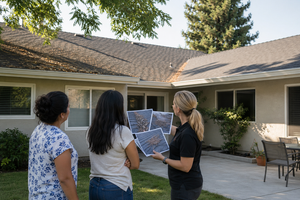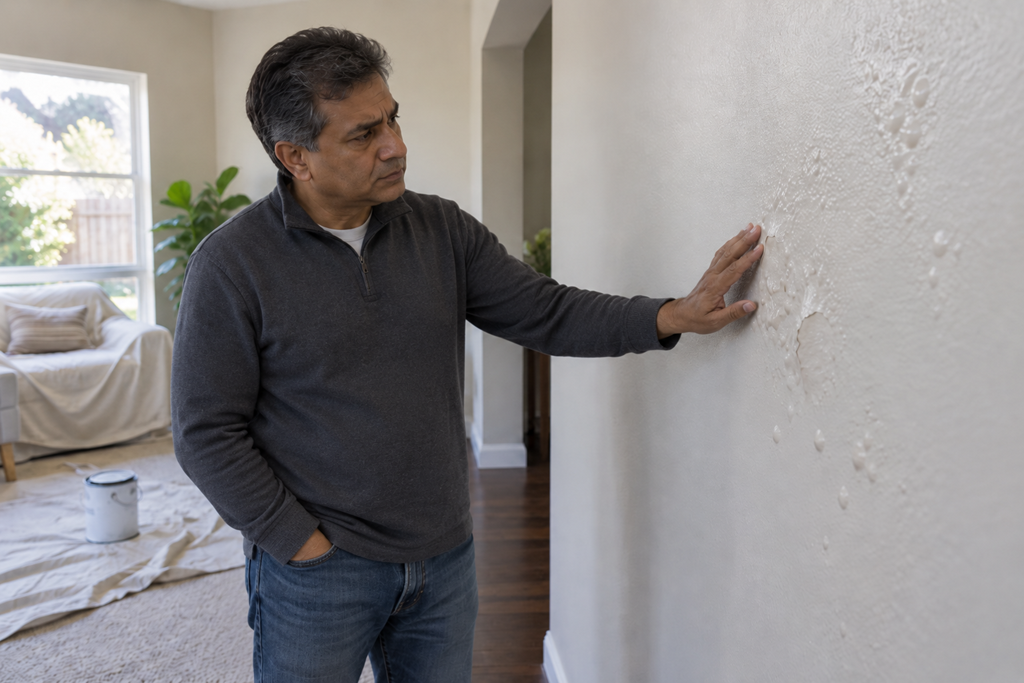
Paint bubbles, cracks, or stains are worth checking before you repaint because the visible mark may be the surface clue rather than the whole problem. A fresh coat can improve appearance, but it may also cover evidence that helps explain whether the issue involves moisture, surface preparation, normal movement, aging materials, or another condition that should be understood first.
It is easy to look at a damaged patch of paint and see a cosmetic problem. A bubble may seem like something that simply needs to be scraped and covered. A thin crack may look like ordinary wear. A stain may seem harmless once it dries. The difficulty is that different underlying conditions can create similar-looking changes on the painted surface.
That does not mean every bubble, crack, or stain signals a serious problem. It means the appearance alone may not tell you enough to know whether repainting is the right next step.
The Paint Surface May Be Showing You Something Else
Paint is the visible finish, so it is often where homeowners first notice that something has changed.
Bubbling or blistering can occur when paint is no longer staying firmly bonded to the surface beneath it. Cracks can develop for several reasons, ranging from aging paint layers to movement in the materials below. Staining may reflect something that happened previously or may suggest that moisture has reached the surface.
The important distinction is that these conditions describe what you can see, not necessarily why it happened.
For Sacramento-area homeowners, that distinction can be especially useful when evaluating painted surfaces that experience strong sun, heat, dry periods, seasonal rain, or simply years of normal wear. Those conditions can affect how exterior and interior finishes age, but they should not be treated as an automatic explanation for a specific paint problem.
The visible area is a starting point for questions, not a diagnosis.
Repainting Can Change the Evidence
One reason to pause before covering the area is that the existing surface may contain useful clues.
The location of a stain, the edges of a bubble, the pattern of cracking, whether the surrounding paint is secure, and whether the condition has changed over time can all help a painting or other qualified professional understand what should be evaluated.
Once the surface has been heavily scraped, patched, sealed, or covered with fresh paint, some of those clues may be harder to see.
That does not mean you should leave damaged paint untouched indefinitely. It simply means that when something looks unusual or keeps returning, understanding the condition before improving its appearance can make the next conversation more productive.
A Good Paint Job Starts With Understanding the Surface
Homeowners sometimes assume that repainting begins with choosing a color.
When the existing paint is already showing bubbles, cracks, stains, peeling, or other irregularities, the more useful first question may be whether the surface is ready to receive another coating.
This matters because a painting estimate can involve more than the visible square footage. Preparation needs, damaged areas, previous coatings, access, and whether another issue needs attention first can affect the scope of the project.
A provider who notices an unusual area should be able to explain what they see, what they believe should be checked, and what preparation they are including in their proposal.
You do not need to become an expert in paint failure to have that conversation.
Not Every Crack or Stain Means the Same Thing
One of the easiest mistakes is assuming that two similar-looking marks must have the same cause.
A small surface crack in aging paint is different from automatically concluding that there is a structural problem. A stain is not proof that an active leak exists. A paint bubble does not by itself identify where moisture came from or whether moisture is involved at all.
This is why photographs on the internet can only go so far.
They may help you recognize that a condition is worth discussing, but they cannot show everything about the wall, ceiling, siding, trim, previous paint layers, or surrounding property conditions.
The practical goal is not to name the problem yourself. It is to avoid making the cosmetic appearance disappear before you understand whether anything else should be addressed.
Pay Attention When the Same Area Keeps Coming Back
A fresh coat that looks good initially can be reassuring. If the same bubbling, cracking, staining, or peeling returns in the same location, however, that pattern is useful information.
Repeated paint problems can be worth discussing because they suggest that repainting alone may not have resolved whatever is affecting that area.
The same applies when a homeowner has already touched up a spot several times and keeps seeing the mark return.
Instead of thinking, “I need better paint,” it may be more useful to ask, “What needs to be understood about this surface before it is painted again?”
That small change in perspective can help prevent a conversation from focusing only on color, sheen, or another cosmetic finish while overlooking the reason the area drew your attention in the first place.
What to Ask When Getting a Painting Estimate
If you are comparing Sacramento-area painting providers, a few direct questions can help you understand how each one views the problem:
- What do you notice about the bubbling, cracking, or staining?
- Do you recommend that anything be evaluated before repainting this area?
- What surface preparation is included in your estimate?
- Are you making any assumptions about the condition underneath the paint?
- If the same problem returns, how would you recommend addressing the next step?
You are not looking for dramatic predictions. You are looking for a clear explanation of what the provider sees, what is known, what is uncertain, and what their proposed work actually includes.
Be Cautious With Answers That Skip Straight to the Finish
A painter does not necessarily need to turn every small paint defect into a major investigation.
At the same time, an explanation that immediately jumps from “there is a stain” to “we will paint over it” may leave an important question unanswered.
Likewise, be cautious about confident claims that identify a hidden cause from appearance alone without explaining the basis for that conclusion.
Clear communication usually sounds more measured. A provider may explain that the area appears consistent with a particular type of issue while also noting what would need to be checked before that conclusion is confirmed.
That kind of distinction can help you compare proposals based on more than the final price.
The Goal Is Not to Make the Project Bigger
Checking a paint problem before repainting does not mean assuming that you need extensive repairs.
Sometimes the evaluation may confirm that the issue is limited to the painted surface and appropriate preparation is all that is needed. In other situations, a different condition may need attention before the painting project moves forward.
Either way, knowing more before covering the area can give you a clearer picture of the actual scope.
That can make it easier to understand estimates, compare recommendations, and avoid paying for a finished surface that does not address the reason the paint caught your attention.
Understand the Condition Before You Cover It
Paint bubbles, cracks, and stains are easy to treat as appearance problems because paint is what you can see. But the mark on the surface may be only part of the story.
Before repainting, give a local professional the opportunity to evaluate the affected area and explain what they believe should be addressed. You do not need to diagnose the condition yourself. You simply want to understand what is being painted, how it will be prepared, and whether anything else should be checked first.
That puts you in a better position to compare painting estimates and make a more informed decision about the work your property actually needs.