Surface preparation matters because paint can only perform as well as the surface underneath it allows. Before a Sacramento-area home is painted, the existing exterior needs to be looked at, cleaned, repaired where appropriate, and prepared so the new coating has a better chance of adhering evenly.
For many homeowners, this part of the project is easy to overlook. Color is visible. The final finish is visible. Prep work often happens before anything looks dramatically different, so it can feel less important than the paint itself.
But preparation is often what separates a paint job that looks neat on day one from one that continues to look consistent after heat, sun exposure, dry conditions, seasonal rain, and everyday wear begin affecting the exterior again.
Paint Does Not Hide Every Surface Problem
A common misunderstanding is that new paint automatically covers whatever was there before. It may cover color, but it does not erase every underlying issue.
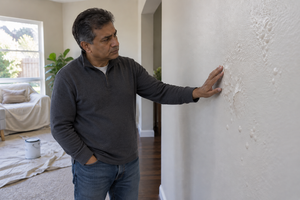
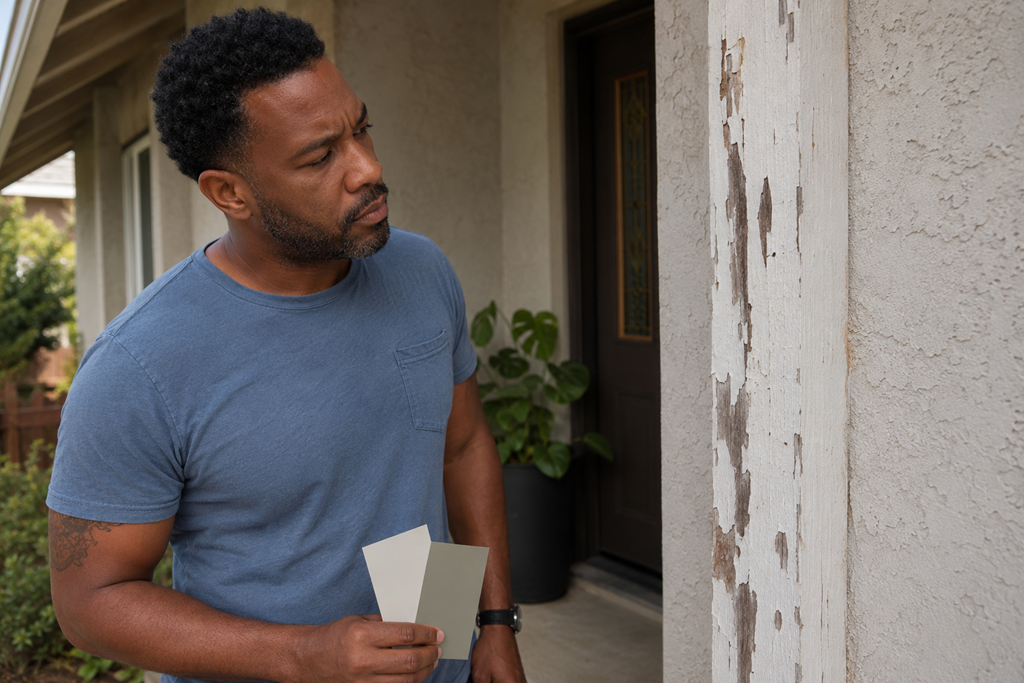
If old paint is loose, chalky, dirty, cracked, glossy in the wrong places, or uneven, a fresh coat may still show those problems in subtle ways. The finish may look patchy. The texture may seem inconsistent. Edges may fail earlier than expected. Areas that already had problems may become noticeable again sooner than the homeowner expected.
This does not mean every exterior needs major repair before painting. It means the condition of the surface should be part of the conversation before the project begins.
A helpful house painting estimate should not only answer, “What color and how much?” It should also help answer, “What needs to happen before paint goes on?”
Why Prep Work Affects More Than Appearance
Surface preparation affects appearance, durability, timing, and expectations.
When prep work is clearly explained, the homeowner has a better sense of what the project includes. They can understand why one estimate may be higher than another, why the schedule may allow time before painting starts, or why certain worn areas need more attention than others.
For Sacramento-area homeowners, this can be especially relevant on exteriors that receive strong sun exposure or have older painted surfaces. Trim, siding, stucco details, fascia, garage doors, railings, and entry areas can age differently depending on shade, moisture exposure, previous paint quality, and how the home has been maintained.
The point is not to diagnose the whole house yourself. The point is to recognize that surface condition is part of the value of the project, not an extra detail to ignore.
The Hidden Work Often Determines the Visible Result
A finished paint job is what homeowners see, but the preparation is often what shapes that result.
If a painter spends time identifying loose paint, problem edges, exposed areas, dirty surfaces, or places where old coatings may affect adhesion, that work may not look exciting in progress. It may even make the home look temporarily unfinished.
That is normal. A painting project often has a stage where the home looks less polished before it starts looking better.
This is why it helps to ask about preparation before judging an estimate only by the final number. Two quotes may both say “paint exterior,” but they may not include the same level of prep, repair attention, masking, priming approach, or protection for surrounding surfaces.
The clearer the prep scope is, the easier it becomes to compare providers fairly.
A Lower Estimate May Not Include the Same Preparation
When homeowners compare house painting quotes, the lowest price can be tempting. But price alone does not always show what is included.
One estimate may include more attention to surface cleaning, scraping loose areas, addressing worn trim, spot priming, caulking where appropriate, protecting nearby surfaces, and explaining what is excluded. Another estimate may use broad language that leaves those details unclear.
That does not automatically mean the higher quote is better or the lower quote is wrong. It means the homeowner should understand what each quote actually covers.
A good question is not simply, “Why is this cheaper?” A better question is, “What surface preparation is included before paint is applied?”
That one question can reveal a lot about how the provider thinks through the project.
Preparation Helps Set Realistic Expectations
Surface prep also helps homeowners understand what paint can and cannot fix.
Paint can refresh color and improve the appearance of a home. It can help protect surfaces when applied properly. But paint is not a substitute for every repair, and it may not make damaged or heavily worn materials look brand new.
If trim is deteriorated, siding has deeper issues, or previous coatings have failed in multiple areas, those conditions may need to be discussed before the painting begins. A qualified painting professional can help explain whether the concern is minor prep, a repair conversation, or something that should be evaluated more carefully.
This matters because unclear expectations can lead to frustration later. A homeowner may think they are paying for a complete exterior transformation, while the provider may be quoting a narrower paint application with limited prep.
The more clearly prep is discussed upfront, the fewer surprises there tend to be once the project is underway.
What Homeowners Should Ask Before Work Begins
You do not need to know painting terminology to have a better conversation. A few plain-language questions can help clarify the scope of the project:
“What preparation is included before painting starts?”
“How will you handle loose, peeling, chalky, or uneven areas?”
“Are there parts of the exterior that may need extra attention before paint is applied?”
“Will the estimate separate paint application from repairs or prep-related work?”
“What should I expect the home to look like during the prep stage?”
“How will nearby surfaces, landscaping, hardware, walkways, or windows be protected?”
These questions are not about micromanaging the work. They are about understanding the project before hiring, comparing, or committing.
A painting provider who can explain prep in clear language may help the homeowner feel more oriented before the project begins.
When Prep Details Are Vague, Slow Down
A vague estimate does not always mean something is wrong, but it does mean the homeowner may need more clarity.
Watch for broad wording that makes the job sound complete without explaining what happens before paint goes on. Phrases that only focus on color, coats, or final appearance may not tell you enough about surface preparation.
It is reasonable to ask for a clearer explanation. A homeowner should be able to understand the basic plan for preparing the exterior, even if the technical details are handled by the professional.
This is especially helpful when comparing multiple local providers. If one quote explains the surface condition and another skips over it, the comparison may not be equal.
Surface Preparation Is Part of the Decision, Not Just the Process
Many homeowners think of preparation as something that happens after they hire someone. In reality, prep should be part of the hiring decision.
Before choosing a house painting provider, it helps to understand how they evaluate the existing surface, explain visible problem areas, and communicate what is included. This can affect the project’s cost, timing, appearance, and the homeowner’s expectations.
Surface preparation does not need to be dramatic or complicated to matter. Sometimes the most important part is simply making sure the home is not treated like a blank canvas when the existing surface has its own condition, history, and limits.
For Sacramento-area homeowners, asking about preparation before painting begins can make the entire project easier to understand. It helps shift the decision from “Which paint job is cheapest?” to “Which provider is clearly explaining what my home actually needs before paint goes on?”
That is a much better place to make a local service decision from.