Roof cleaning should be handled carefully because the goal is not simply to make a roof look cleaner. The cleaning method, pressure, products, access plan, and condition of the roofing material can all affect whether the work is appropriate for the property. Sacramento-area homeowners are better served by understanding how a provider plans to protect the roof, nearby surfaces, drainage areas, and landscaping before agreeing to the service.
A roof covered with dark streaks, organic growth, dust, leaves, or other buildup may appear to need a straightforward wash. In reality, removing what is visible is only one part of the decision. A responsible approach also considers what the roof is made from, how it has aged, where moisture may travel, and whether certain areas need to be avoided or evaluated before cleaning begins.
A Cleaner Appearance Is Not the Only Measure of a Good Job
It is easy to judge roof cleaning by one visible result: whether the surface looks brighter afterward. That result matters, but it does not tell the whole story.
A roof can appear clean even when the method used placed unnecessary stress on shingles, tiles, seams, coatings, flashing, or drainage components. Nearby stucco, siding, windows, patios, plants, and outdoor equipment can also be affected if runoff and overspray are not considered.
Careful roof cleaning aims to improve the surface without treating the roof as though it were an ordinary concrete walkway. The provider should be thinking about both the visible result and the condition of the property after the work is complete.
The Roof’s Condition Should Shape the Cleaning Plan
Not every roof is starting from the same condition.
Two Sacramento-area homes may have similar-looking streaks while having very different roofing materials, ages, drainage patterns, and areas of wear. One roof may be generally intact, while another may have loose edges, cracked tiles, worn surfaces, aging sealants, or vulnerable areas around vents and skylights.
These differences can affect whether cleaning is appropriate, which areas require extra caution, and whether another type of evaluation should happen first.
A provider who takes time to look at the roof before recommending a method is not necessarily making the process more complicated. That pause may be evidence that the provider understands cleaning should be adjusted to the property rather than performed with one standard approach.
More Force Does Not Automatically Mean Better Cleaning
Homeowners sometimes assume stubborn buildup requires stronger pressure or more aggressive treatment. That is understandable because force often appears to produce faster visual results.
However, effectiveness and intensity are not the same thing.
The appropriate method depends on the roofing material, the type of buildup, the condition of the surface, and the manufacturer or service considerations that may apply. An approach suitable for one durable exterior surface may not be suitable for another.
This does not mean homeowners need to become experts in cleaning equipment or chemical mixtures. It means the provider should be able to explain, in plain language, what method is being considered and why it fits the roof.
A vague answer such as “this is how we clean every roof” may deserve more questions. A clearer explanation should connect the proposed method to the actual roofing surface and its condition.
What Happens Around the Roof Matters Too
Roof cleaning does not happen in isolation. Water and cleaning products can move toward gutters, downspouts, walls, windows, patios, walkways, garden beds, outdoor furniture, and neighboring surfaces.
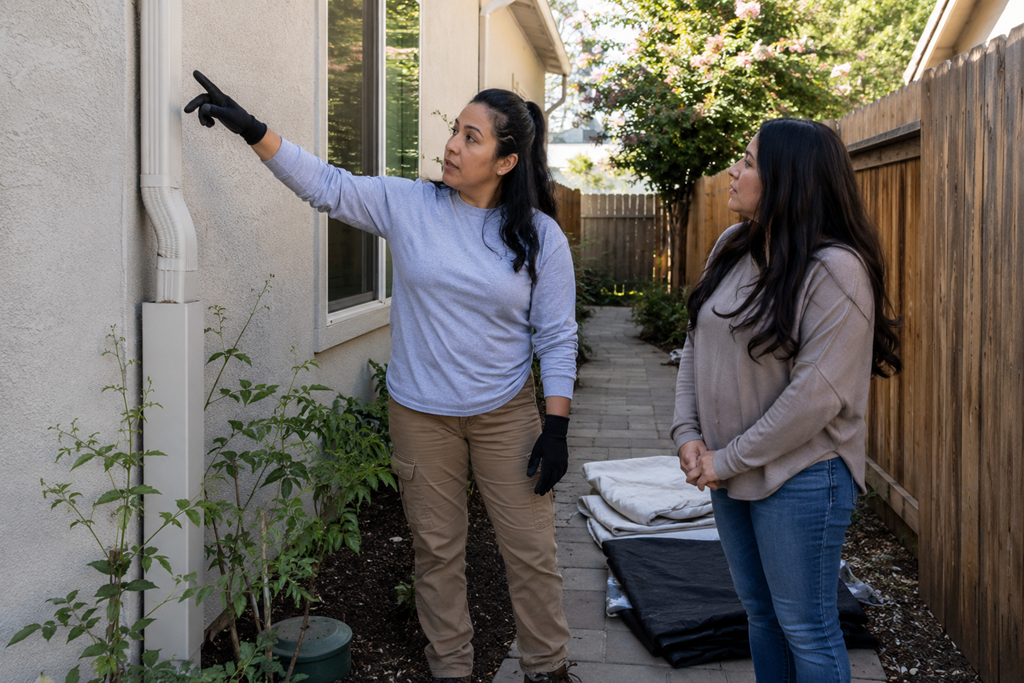
A careful provider should consider where runoff will travel and what may need protection before work begins. This may be especially relevant when a property has mature landscaping, decorative surfaces, rainwater collection features, solar equipment, skylights, exterior electrical components, or limited drainage around the home.
The goal is not to create unnecessary concern about every nearby object. It is to make sure the provider has looked beyond the roof surface and considered the property as a connected system.
When asking about protection, homeowners are not being difficult. They are trying to understand whether the full work area has been considered.
Safe Access Is Part of a Careful Approach
The method used on the roof is only one part of the service. The way the roof is accessed also matters.
Roof pitch, surface condition, moisture, brittle materials, roof height, surrounding structures, and equipment placement can all affect how the work should be approached. A provider may determine that certain sections require different access, should be left alone, or need another professional evaluation before cleaning.
Homeowners should be cautious about assuming that every visible area must be cleaned during the same appointment. A provider who identifies a limitation or recommends delaying part of the work may be showing better judgment than someone who promises to clean everything without first examining the conditions.
Careful service sometimes means recognizing when not to proceed.
Clear Communication Reveals How the Provider Thinks
Homeowners do not need a lengthy technical presentation before scheduling roof cleaning. They should, however, receive understandable answers about the proposed work.
Useful questions include:
- How will you determine which cleaning method fits this roof?
- Are there any areas you would inspect, protect, or avoid?
- How will runoff and nearby landscaping be handled?
- What could cause you to pause the work or recommend an additional evaluation?
- What changes should I realistically expect after the cleaning?
The answers should help the homeowner understand the provider’s reasoning. A qualified provider may not be able to predict every condition before beginning, but the overall plan should be more specific than simply promising to make the roof look new.
Some Promises Can Make the Decision Less Clear
Roof cleaning becomes harder to evaluate when the conversation focuses only on speed, appearance, or a dramatic transformation.
Homeowners may want to ask additional questions when a provider:
- Recommends the same process for every roofing material
- Shows little interest in the roof’s current condition
- Cannot explain how surrounding surfaces will be protected
- Dismisses questions about runoff or drainage
- Guarantees that every stain or discoloration will disappear
- Pressures the homeowner to schedule before explaining the scope
None of these details automatically proves that the service will be performed poorly. They can, however, signal that more information is needed before making a decision.
A clear provider should be comfortable explaining both what the service is intended to accomplish and what it may not be able to correct.
Cleaning May Not Be the First Step Every Roof Needs
A homeowner may contact a provider expecting to schedule cleaning and learn that a repair, inspection, drainage correction, or smaller targeted service should be considered first.
That does not necessarily mean the roof has a serious problem. It may simply mean cleaning could interfere with an existing weak point or make it harder to understand the source of staining, moisture, or surface wear.
This is one reason careful evaluation matters. The best recommendation is not always the one that produces the fastest visible change.
A provider who distinguishes between surface buildup and possible roofing concerns can help the homeowner avoid treating every dark area, mark, or patch as the same problem.
Careful Roof Cleaning Starts With a Better Conversation
Roof cleaning should improve the appearance of a property without creating avoidable questions about the roof or the surrounding areas. That requires more than equipment and a promise of a cleaner surface.
Before hiring a local provider, Sacramento-area homeowners can ask how the roof will be evaluated, why a particular method is being recommended, how runoff will be managed, and what conditions might change the plan.
The homeowner does not need to direct the technical work. The goal is to choose a provider whose explanation shows that the roof’s material, condition, access, drainage, and surroundings have all been considered before cleaning begins.