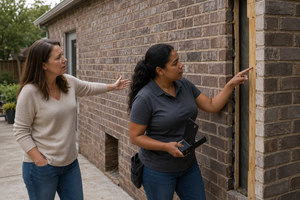
Wiring should be discussed before equipment is purchased because the best screen, speakers, receiver, projector, or streaming setup can still create frustration if the room cannot support it cleanly. For Sacramento-area homeowners, the conversation is not only about what sounds good or looks impressive. It is also about where cables will run, where power is available, how the room is used, and whether the installation plan fits the home before money is spent on equipment.
This is easy to overlook because home theater planning often starts with the exciting parts. People compare screen sizes, speaker packages, projectors, soundbars, receivers, and streaming devices before thinking about what has to happen behind the walls, near the ceiling, inside cabinets, or around existing furniture. By the time wiring comes up, the equipment choice may already limit the installation options.
The Room Has To Support The System
A home theater system is not just a collection of equipment. It is a setup that has to work inside a real room with real walls, outlets, seating positions, windows, flooring, attic access, furniture, and daily routines.
Wiring affects where speakers can be placed, whether a projector makes sense, how clean the finished room will look, how many devices can connect, and whether future upgrades will be simple or disruptive. Even a modest media room can become harder to plan if equipment is purchased before anyone has looked at cable paths, outlet locations, and the way the room is actually used.
For Sacramento-area homeowners, this can matter in older homes, remodeled spaces, bonus rooms, converted garages, open living rooms, and family rooms where the theater system has to share space with everyday life. The right equipment is still important, but it works best when it fits the room instead of forcing the room to adapt after the fact.
Buying First Can Create Hidden Tradeoffs
Purchasing equipment first can feel efficient, especially when a homeowner finds a package that seems like a good fit. The problem is that equipment specifications do not automatically explain whether the room is ready for that setup.
A receiver may need more connections than the cabinet layout allows. Surround speakers may require wire runs that are difficult to hide. A projector may need power and signal routing in a location that was not considered. A wall-mounted TV may look simple until the installer has to discuss where cables, outlets, and connected devices will go.
These issues do not always mean the equipment was a bad choice. They often mean the wiring conversation happened too late.
Wiring Is Part Of The Design, Not Just The Installation
Many homeowners think wiring is something that happens after the system is chosen. In reality, wiring is part of the design decision. It helps determine what type of system makes sense, what the finished room may look like, and what questions should be asked before comparing estimates.
A qualified home theater installer may want to understand where people sit, how loud the room is used, whether the system needs to support gaming or streaming devices, whether equipment should be visible or hidden, and whether future upgrades are likely. Those details affect wiring choices before specific equipment is finalized.
This does not mean a homeowner needs to understand technical wiring details. It means wiring should be part of the early conversation so the professional can explain practical options in plain language.
A Clean Setup Usually Starts Before The Boxes Arrive
Many people picture a clean home theater installation as the final result: hidden cables, organized components, speakers in balanced locations, and a system that feels simple to use. But that clean result usually starts before equipment is purchased.
If wiring is discussed early, the homeowner can better understand whether cables can be concealed, whether surface raceways may be needed, whether certain speaker locations are practical, and whether a cabinet or wall location may create access problems. That information can shape the equipment decision instead of becoming a surprise later.
This is especially helpful when comparing local home theater installation providers. A clear wiring conversation can reveal whether the provider is thinking about the whole room or only reacting to the equipment list.
The Cheapest Equipment Package May Not Be The Best Fit
A lower-cost equipment package can still become less convenient if it requires awkward placement, visible wiring, or extra adjustments that were not discussed upfront. On the other hand, a more expensive system is not automatically better if the room layout does not support it well.
The better question is not simply, “Which equipment should I buy?” A more useful question is, “What equipment makes sense for this room, this wiring situation, and the way this system will actually be used?”
That shift helps homeowners avoid making the purchase feel separate from the installation plan. The equipment, wiring, layout, and user experience are all connected.
Questions Worth Asking Before You Buy
Before purchasing home theater equipment, it can help to ask a local installer questions such as:
Can this room support the speaker layout I am considering?
Where would wiring need to run for this setup to look clean?
Are there power, cabinet, wall, or ceiling limitations I should know about?
Would a simpler system work better for this space?
Can this wiring plan support future upgrades without major disruption?
These questions do not require the homeowner to become an expert. They simply help turn the conversation from “What should I buy?” into “What will actually work well here?”
Vague Wiring Answers Can Be A Red Flag
A provider does not need to explain every technical detail, but they should be willing to discuss wiring in a way that makes sense to the homeowner. If the answer is vague, rushed, or focused only on selling equipment, the homeowner may not get a clear picture of what the installation will involve.
Helpful communication usually includes plain-language explanations of where cables may go, what limitations exist, what choices affect the finished look, and what assumptions are being made. The goal is not to scare the homeowner away from a project. The goal is to make the project easier to understand before money is committed.
A Better Purchase Starts With A Better Conversation
Discussing wiring before equipment is purchased helps homeowners make smarter home theater decisions. It can prevent mismatched equipment, reduce surprises during installation, and make estimates easier to compare.
For Sacramento-area residents planning a media room, family room upgrade, projector setup, surround sound system, or wall-mounted entertainment area, the wiring conversation is not a small detail. It is one of the clearest ways to understand whether the project plan matches the home.
A good home theater decision starts before the boxes are opened. When wiring, room layout, and everyday use are discussed early, the equipment choice becomes easier to understand and easier to live with.